
24/7 全天候客户支持

免费退货

当日/次日达

品质保障

开启新人专享福利: 全场免邮 | 低至 2 折 | 免费试用 30 天 JoyPlus 会员
下载 Joybuy
Choosing arts and crafts kits for children can seem straightforward until you compare the small print. A colourful box may promise hours of creative play, yet the contents might be limited, difficult to use or unsuitable for the child’s age. For UK families buying birthday presents, Christmas gifts or screen-free activities for children, checking the practical details before ordering can prevent disappointment.
A large number of beads, stickers or components can look attractive in product photography. However, some kits contain mainly small decorative parts, with limited instructions or few project ideas. Check whether the set includes templates, guidance, tools and enough base materials to create more than one project.
Some colouring kits work only with specially designed paper, while water-based sets need time to dry before they can be reused. These features can be convenient, but they may not suit children who want to draw freely on ordinary paper. Read exactly what is included and whether refills or compatible materials are sold separately.
Craft supplies often include beads, ceramic pieces, magnets, scissors or other small components. A product may be suitable for an older child but inappropriate for a younger sibling sharing the activity. Always follow the stated age guidance, warnings and supervision instructions. Small parts can present a choking hazard, while ceramic or adhesive components require a suitable work area.
Use the manufacturer’s recommended age as a starting point, not a substitute for supervision. Look for clearly stated warnings, particularly for small parts, magnets, paints and craft tools. For toys sold in the UK, check that the packaging or listing provides appropriate product and manufacturer information, and look for relevant conformity markings such as UKCA or CE, where applicable.
The EN 71 toy safety standard covers areas including mechanical and physical properties, flammability and migration of certain elements. A listing should not be treated as compliant simply because it uses words such as “safe” or “educational”; look for clear safety and importer information.
For children’s craft kits, count the practical essentials:
A kit with reusable pages or a storage case may be more suitable for travel, while a paint set may provide a longer single-session project.
Material details affect both usability and household practicality. Ceramic painting sets need protected clothing and a covered table. Bead activities require a tray or container to prevent pieces spreading across the floor. Magnetic building blocks should be checked for secure construction, accessible small magnets and intact components.
For younger children, colouring kits for children with water-reveal pages or ink that appears only on dedicated paper may reduce marks on carpets and furniture. Even with these features, supervise use and keep marker caps, beads and other loose parts away from younger children.
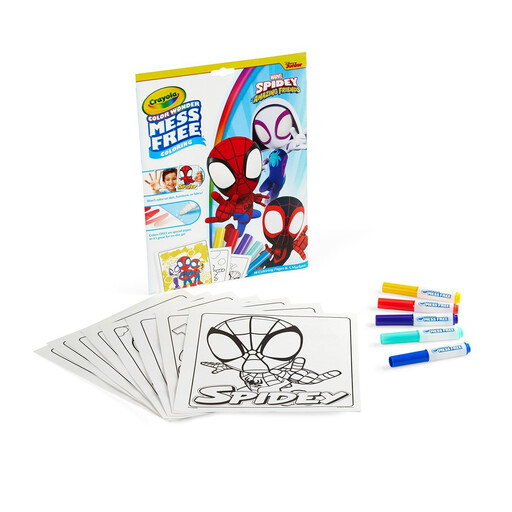
Why This Fits Their Persona: A compact option for younger children who enjoy character-led colouring at home, on journeys or during quiet afternoons.
The listing explains that the ink appears only on the supplied Colour Wonder paper, so buyers know this is a dedicated-paper system rather than a general drawing set.
Includes 18 colouring pages and five markers; no batteries are required.
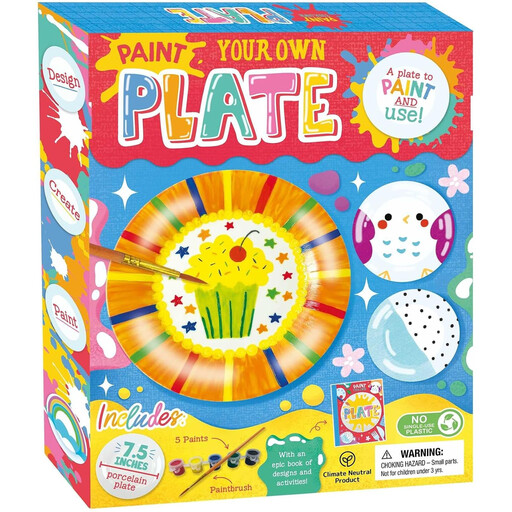
Why This Fits Their Persona: Suitable for children aged five and above who want a lasting display piece and an activity that can be shared with a parent or grandparent.
It lists the ceramic plate, paints, fine brush, tutorials and activity book, helping buyers assess the complete project rather than judging the box artwork alone.
The activity book contains more than 50 design ideas; the package measures 21.2 x 3.7 x 26 cm.
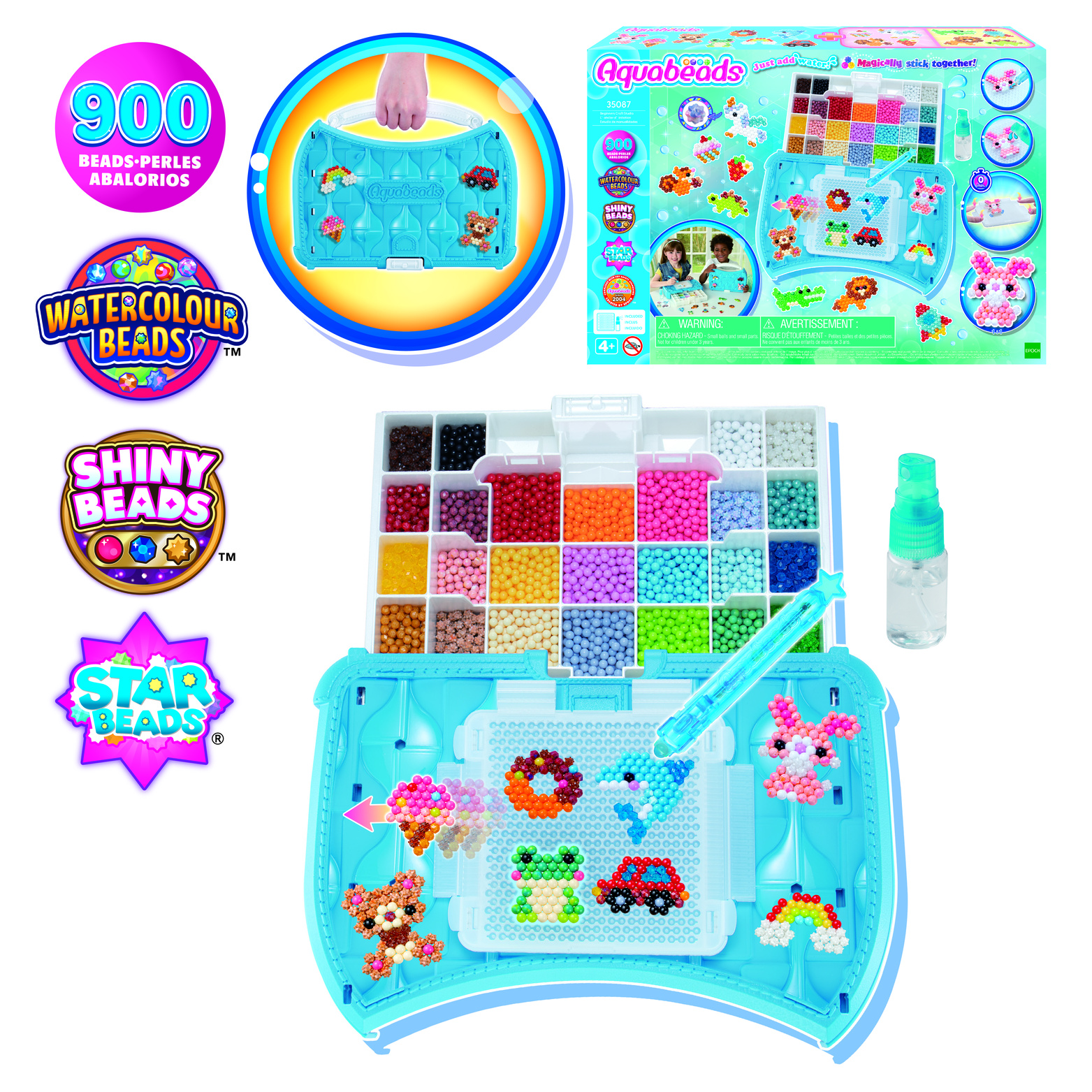
Why This Fits Their Persona: A practical choice for children aged four and above who enjoy repeat designs, sorting colours and taking creative projects between rooms or on visits.
The set specifies 900 beads in 25 colours, two template collections and a carry case, making its project capacity and storage arrangements clear.
Includes classic, jewel, polygon and shimmering watercolour bead types; additional refills are available separately.
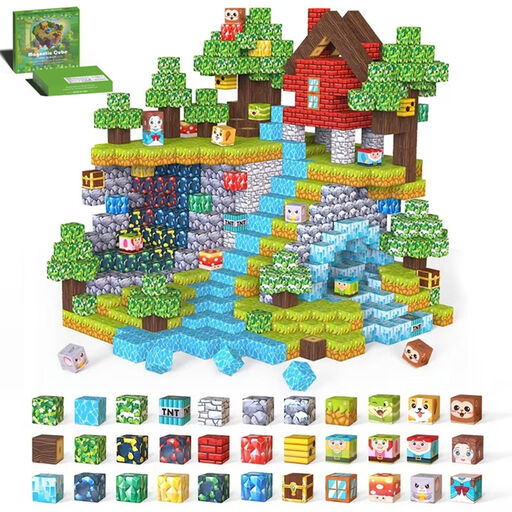
Why This Fits Their Persona: Designed for children aged three and above who prefer open-ended construction, making it suitable for solo play or family building sessions.
The stated 150-piece quantity gives families a clearer idea of the construction scope than a vague “large set” description. Check the current listing for the supplied shapes and safety information before purchase.
Uses ABS plastic construction pieces and is described as a STEM construction toy; no batteries are required.
We have compiled a complete, real-time list of products that fully satisfy these strict selection criteria and UK safety regulations.
For younger children, reusable water colouring, simple painting kits for children and role-play sets can offer a manageable starting point. Children aged five to eight may enjoy plate painting, tea-set decorating, cardmaking kits or guided bead designs. Older children can move towards wooden model painting, diamond art, charcoal sketching or more complex magnetic building blocks.
Consider the child’s preferred type of creativity:
A kit is more likely to be used repeatedly when its difficulty matches the child’s patience, dexterity and interests. For group activities, choose a set with enough components to reduce turn-taking frustrations.
Some are, but only when the packaging specifically states suitability from age three. Avoid kits with loose beads, tiny accessories or complex tools, and supervise the activity directly. Reusable water colouring and larger-piece construction toys may be easier to manage than detailed beadwork.
Cover the table, use washable surfaces and prepare a tray for loose pieces. Keep paints and adhesives away from carpets and soft furnishings. Dedicated-paper colouring systems can help reduce unwanted marks, while ceramic projects need extra care because the items may break if dropped.
It depends on the format. Paint, glue, paper and bead activities may eventually need replacements. Reusable water books can be used repeatedly with the supplied pen, while magnetic construction toys are generally designed for repeat building without consumable materials. Check whether refills are available and include their cost when comparing options.