
24/7 全天候客户支持

免费退货

当日/次日达

品质保障

开启新人专享福利: 全场免邮 | 低至 2 折 | 免费试用 30 天 JoyPlus 会员
下载 Joybuy
Choosing kids craft kits can look straightforward until the box is opened and you discover missing materials, age-inappropriate pieces or an activity that holds attention for only a few minutes. Parents, grandparents and gift buyers often want something creative, educational and manageable at home, but product descriptions do not always explain what the child will actually need.
The most common buying traps include:
Start with the manufacturer’s recommended age and warning information. A kit marked from age 3 is not automatically suitable for every three-year-old. Look for small parts, beads, charms, magnets, paints, tools and other components that may need direct adult supervision.
For UK purchases, check that the packaging provides appropriate safety information and look for relevant conformity markings, such as CE or UKCA where applicable. These markings are not a substitute for supervision, but they are useful signals that the product has been placed on the market with applicable toy safety requirements in mind.
Also consider the child’s ability to follow instructions. A jewellery making kit may suit a patient five-year-old but frustrate a child who prefers quick, tactile play.
Read the contents list rather than relying on phrases such as “complete set”. Check:
For example, painting kits for kids can vary from a simple colouring activity to a ceramic project requiring work-area protection and careful handling. The difference affects both preparation time and suitability for rainy-day play.
A useful screen-free activity should fit the household routine. Compact colouring sets work well for travel, while construction sets can remain available for repeated play. Consider whether the kit offers multiple projects, reusable pieces or enough materials for siblings.
Magnetic building blocks, STEM building toys and DIY craft kits for children can offer more repeat use than a single-use project, although loose pieces need a storage box and regular checks for damage. For consumable activities such as slime making, painting or nail design, check whether refills are easy to source and whether the child can complete the activity without creating excessive mess.
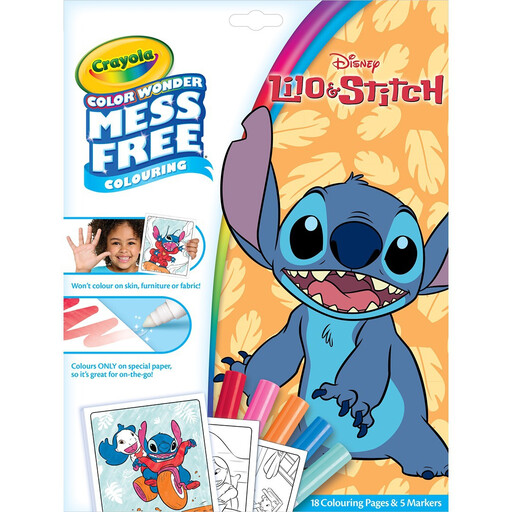
Why This Fits Their Persona: A compact option for young children who enjoy character-led colouring at home, in the car or on a UK family trip. It is listed for children from age 3 and needs no batteries.
The special paper is designed so the clear ink appears on the page rather than on ordinary surfaces, helping reduce concern about marks on furniture or carpets. Small parts still require supervision.
Compact 23 x 30 cm package; themed colouring scenes; no batteries required.
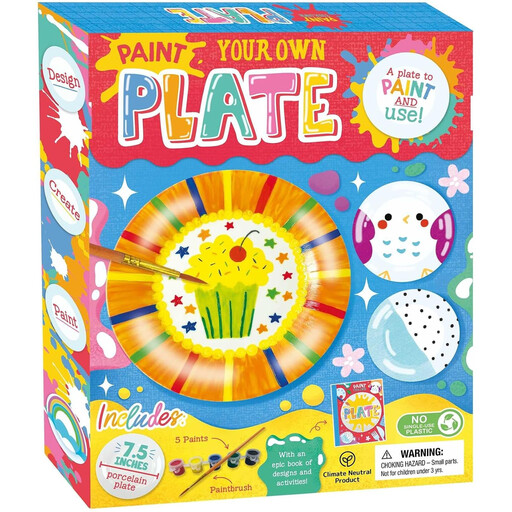
Why This Fits Their Persona: Suitable for children aged 5 and above who enjoy a slower, display-focused project and want guidance as well as room for personal designs.
The set lists a blank plate, paints, brush, tutorials and an activity book with over 50 design ideas, so buyers can see the main components before ordering.
Includes more than 50 design ideas; creates a decorative finished plate; no batteries required.
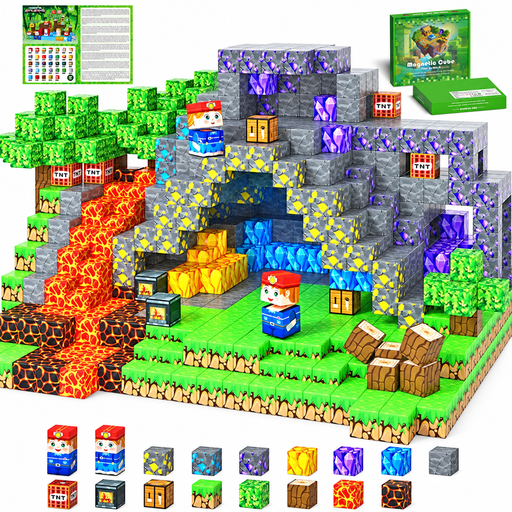
Why This Fits Their Persona: A practical choice for children from age 3 who return to construction play regularly and enjoy making different shapes, scenes and structures.
The stated 150-piece count gives children more scope than a small, single-build set. Check magnet warnings, inspect pieces regularly and store them securely away from younger children.
150-piece format; nature-themed components; ABS plastic construction stated in the product name.
We have compiled a complete, real-time list of products that fully satisfy these strict selection criteria and UK safety regulations.
For birthday gifts for kids, choose a set with a clear finished result, such as a unicorn money box, painted tea set or jewellery project. For travel, compact colouring activities and flat activity books are easier to pack. For parties and sleepovers, select projects with simple steps and enough components for more than one child.
Slime making kit activities can suit children who enjoy sensory play, but protect surfaces and follow the stated age guidance. For older children, a wooden racing car painting kit or nail design activity may offer more detailed work. Always supervise products involving cosmetics, ceramics, glitter, adhesives or small decorative parts.
Some are, but the age label must be checked carefully. Colouring sets and larger-piece construction toys may be suitable from age 3, while jewellery kits, slime sets and kits containing small parts often have higher minimum ages. Follow the package warning and supervise the activity.
Cover the table with a washable mat, provide an apron or old clothing and prepare a tray for loose pieces. Keep paints and modelling compounds away from carpets. Choose mess-reducing products, such as special-paper colouring sets, when portability or quick tidy-up matters.
Many painting, colouring, jewellery and construction kits require no batteries. Ongoing costs depend on whether the activity uses consumables. Paint, slime ingredients, modelling compound and craft string may eventually need replacing, while magnetic building blocks can be reused if stored carefully and checked for damage.