
24/7 Customer Support

Free returns

Same-day & Next-day Delivery

Quality Guaranteed

Unlock Your Welcome Offers: FREE Delivery | Up to 80% OFF | Free 30-day JoyPlus trial
Download the APP
Choosing a kids cricket set can look straightforward until you compare the details. Many sets include a bat, ball and stumps, but the quality, dimensions and intended use can vary considerably. A low-cost option may be difficult for a young child to control, while a set with impressive-looking accessories may offer little practical value once it reaches the garden.
Parents and gift buyers should watch for three common buying traps:
Start with the manufacturer’s stated age range and product warnings. For children aged three and over, check whether the set contains small parts, such as bails or detachable wicket components. These can present a choking hazard for younger children.
A suitable children’s cricket set should also be used with sensible precautions:
For a child under three, do not assume that a soft ball makes the complete set suitable. Stumps, bails and other removable parts may still be unsafe.
The right kids cricket bat should be easy for the child to lift, hold and swing without losing balance. A bat that is too long or heavy can make basic batting frustrating and may encourage uncontrolled swings.
Look for:
A plastic cricket bat and ball set is often practical for beach trips, parks and casual garden games because plastic is lightweight and easy to wipe clean. A wooden cricket set may offer a more traditional feel, but it should be checked for smooth finishing and stored away from prolonged damp conditions.
The ball affects both safety and how enjoyable the game feels. A wind ball is lightweight and designed for relaxed play, while a tennis ball offers a familiar bounce for beginner practice. Neither should be treated as risk-free, so children still need space and supervision.
Also consider whether the wicket is:
A cricket set for the garden should not require complicated assembly. If the set will travel to a park, beach or holiday home, a carry bag or lightweight pop-up target can make a practical difference. Storage is easy to overlook, yet missing stumps or balls can quickly make a complete set unusable.
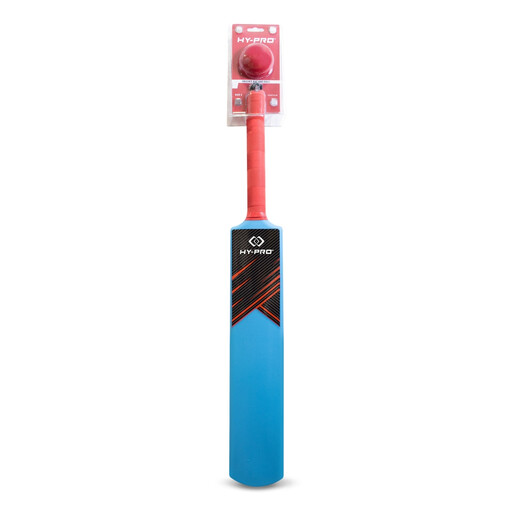
Why This Fits Their Persona: This lightweight option suits families introducing cricket through simple games in a garden, park or on a beach. Its design is suitable for children learning the basics as well as adults joining casual play.
The lightweight plastic bat is easier to handle than a heavier junior bat, while the included wind ball avoids the need to introduce a traditional hard cricket ball for casual play.
Durable plastic bat; lightweight wind ball; suitable for back garden, park and beach use.
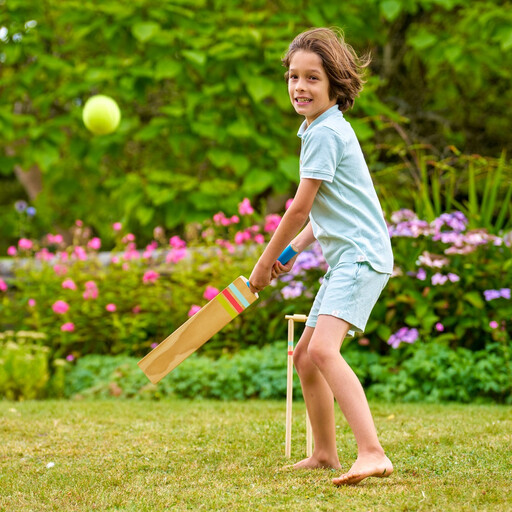
Why This Fits Their Persona: Families wanting a more traditional-looking garden game may prefer this complete wooden option, which is designed for two or more players and can be transported to a park or playing field.
The set includes a specified Size 0 bat measuring 61 cm, four wooden stumps, one bail and a tennis ball, rather than relying on decorative extras with no clear playing purpose.
FSC-certified wood; rubber grip; fabric carry bag; suitable from age three, subject to the stated warnings and adult supervision.
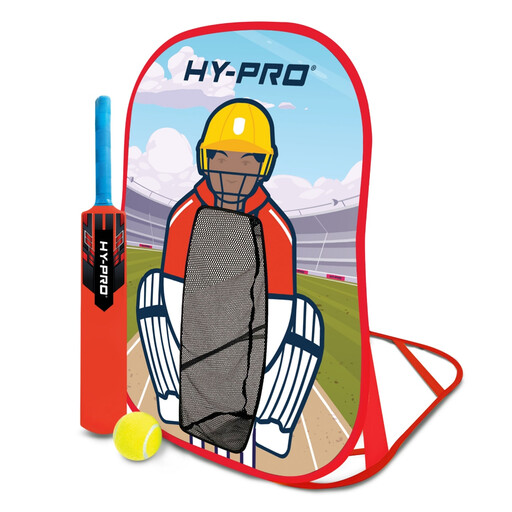
Why This Fits Their Persona: This is suited to children who want repeated batting practice, including solo sessions in a back garden or organised games with friends and family.
The pop-up stump target gives practice a clear aim, avoiding a set-up that only works when another player is available to bowl or field.
Lightweight portable target; plastic and composite bat; tennis ball included; suitable for grass, parks and back gardens.
Set up the wicket on an open, level area and establish a clear boundary before play starts. For younger children, begin with underarm throws and short distances. This makes it easier to focus on grip, timing and hand-eye coordination without turning the session into a competitive match too quickly.
A family cricket game can include simple variations:
For UK gardens, dry storage is particularly important for wooden equipment. Wipe plastic parts after muddy or sandy play, and check fabric bags and mesh targets are fully dry before putting them away.
Many children’s sets are designed for ages three and over, but the exact guidance varies. Always check the individual product warning. Small parts such as bails can create a choking hazard, and direct adult supervision is recommended for young children.
Yes, a lightweight plastic bat and wind ball can be practical for beginner games in a garden. Choose a clear playing area away from windows and other people, and do not assume that a soft or lightweight ball removes the need for supervision.
Lifespan depends on frequency of use, storage and the playing surface. Plastic can be convenient for repeated outdoor use, while wooden equipment should be kept dry and checked for splinters or damage. Regularly returning all parts to a carry bag or storage box can also reduce loss and wear.