
24/7 Customer Support

Free returns

Same-day & Next-day Delivery

Quality Guaranteed

Unlock Your Welcome Offers: FREE Delivery | Up to 80% OFF | Free 30-day JoyPlus trial
Download the APP
As a parent, your child's safety is paramount, especially when they are enjoying their first taste of freedom on a bike, scooter or skateboard. Choosing a kids cycle helmet seems straightforward, but the market is filled with options that can be misleading. Many parents find themselves with a helmet that is either unsafe, uncomfortable or simply rejected by their child after a few uses.
Before you buy, it is important to be aware of a few common purchasing pitfalls:
To make an informed choice, focus on a few key technical specifications that determine a helmet's safety and usability.
This is the most critical factor. A helmet sold in the UK for cycling, scootering or skating must be certified to EN 1078. This European standard ensures the helmet has passed rigorous tests for its construction, shock-absorbing properties and the effectiveness of its strap and buckle system. Always check for the EN 1078 mark on the product's packaging or inside the helmet itself. This single check confirms the helmet is fit for purpose as a kids cycle helmet or kids skate helmet.
You will often see these terms used to describe helmet construction, and they refer to how the outer shell is attached to the shock-absorbing foam liner.
A proper childs adjustable helmet relies on more than just a chin strap. For a secure and comfortable fit, look for a model with a rear adjustment dial. This mechanism tightens a band around the entire head, ensuring the helmet sits snugly and does not shift forwards or backwards. Before purchasing, measure your child's head circumference with a soft tape measure to ensure you are selecting the correct size range.
Based on these practical criteria, here are a few recommendations matched to different needs and preferences.
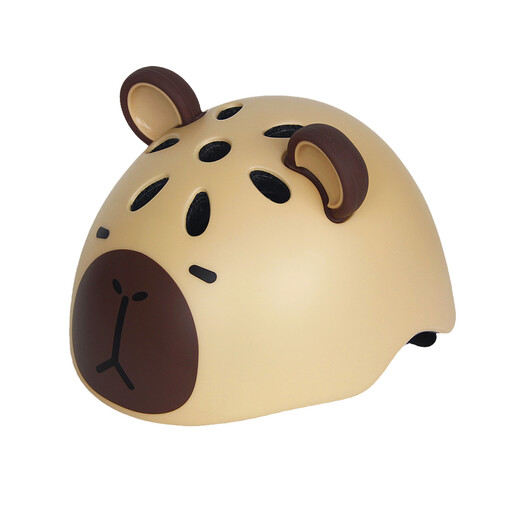
Why This Fits Their Persona: For the child who needs a bit of encouragement to wear their gear, this animal helmet for kids features a playful capybara design with soft 3D ears, making safety fun and appealing.
It sidesteps the "looks over substance" trap by combining a fun kids bike helmet design with full EN 1078 certification, an adjustable dial and durable in-mould construction.
The lightweight in-mould build and 7 air vents ensure it remains comfortable, increasing the chances your child will keep it on without complaint.
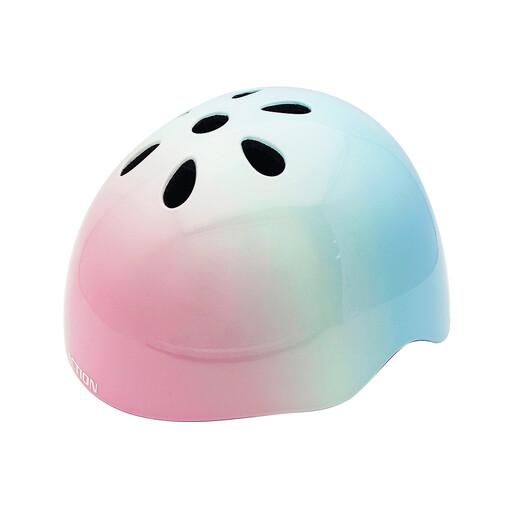
Why This Fits Their Persona: Ideal for the child who enjoys cycling, scootering and skating. This is a versatile and durable helmet designed for multi-sport use, providing reliable protection across different activities.
Its in-mould construction offers superior durability compared to basic taped-on shells. The 7 strategically placed vents combat the overheating that leads to kids removing their helmets.
Features a user-friendly head circumference adjustor and a quick-release buckle, making it easy for parents to achieve a secure fit every time.
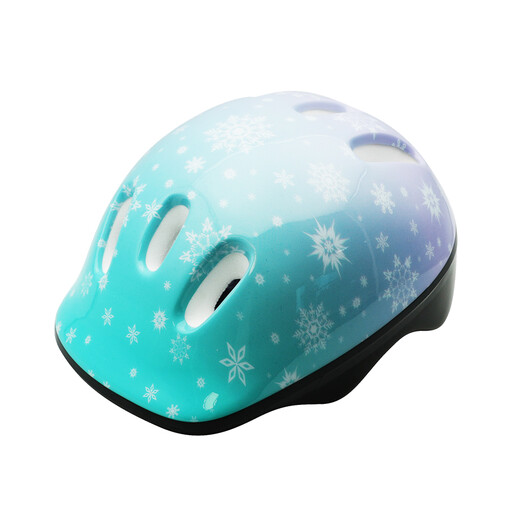
Why This Fits Their Persona: For parents seeking a dependable, certified helmet that covers all the safety essentials without the premium price tag of an in-mould design. A solid, no-fuss choice.
This out-mould helmet is fully EN 1078 tested and includes a head circumference adjustor. It proves that an affordable option does not have to mean compromising on certified safety or a secure fit.
Provides all the core safety features, including certification and adjustability, at a very accessible price point. The colourful PVC shell is also appealing to children.
We have compiled a complete, real-time list of products that fully satisfy these strict selection criteria and UK safety regulations.
A correctly fitted helmet is crucial for safety. Follow these four simple steps:
A helmet's primary job is to absorb a single, significant impact. You must replace the helmet immediately after any crash or hard knock, even if there is no visible damage, as its protective structure may be compromised. You should also replace it if it has been outgrown, or if the straps, padding or adjustment system show signs of wear and tear.
Yes, provided the helmet is certified to the EN 1078 standard. This certification is designed for "helmets for pedal cyclists and for users of skateboards and roller skates." This makes it a versatile choice suitable for use as a toddler scooter helmet or for older children on skateboards, ensuring they are protected during various wheeled activities.