
24/7 Customer Support

Free returns

Same-day & Next-day Delivery

Quality Guaranteed

Unlock Your Welcome Offers: FREE Delivery | Up to 80% OFF | Free 30-day JoyPlus trial
Download the APP
Watching a child’s face light up as they get behind the wheel of their very own kids electric car is a moment many parents and grandparents look forward to. These ride on toys promise hours of outdoor fun and adventure. However, the path to finding the right one is often cluttered with confusing specifications and marketing claims that can lead to a disappointing purchase.
Many well-meaning buyers in the UK have found their exciting new gift gathering dust after just a few months. This often happens due to a few common but easily avoidable pitfalls. Before you buy, let's look at the frequent traps that catch people out.
off road kids car advertised for garden adventures, but if it has hard plastic wheels and no suspension, it will struggle on anything but a perfectly smooth patio. A bumpy, uncomfortable ride on grass often means the car simply won't get used as intended.To ensure you choose a childrens battery car that is safe, durable and fun, focus on these core parameters instead of just the marketing headlines.
Think of voltage as the engine's power and capacity as the size of the fuel tank.
When comparing models, always check the Amp-hour (Ah) rating. A 12V 7Ah battery will provide a noticeably longer runtime than a 12V 4.5Ah battery under the same conditions.
A safe ride is a fun ride. Look for these non-negotiable features:
Consider who will be using the car. Most models are single-seaters with a weight capacity of around 25-30kg. If you're buying for siblings to share, a dedicated 2 seater kids electric car is a better choice. These have a wider frame, two seatbelts and a higher weight capacity (often up to 60kg), supported by a more powerful 24V battery system.
We've filtered through the options to match different needs and priorities, helping you find a car that delivers on its promises.
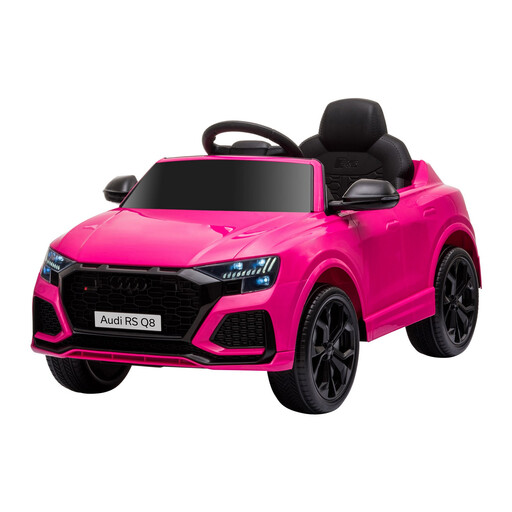
Why This Fits Their Persona: Perfect for a younger child's first driving experience. The 6V motor provides a gentle pace (1.5–3km/h) ideal for patios and smooth paths. As a licensed ride on car, this pink ride on car has the visual appeal to make it a very special gift without an excessive price tag.
Its 6V system is correctly matched to its purpose—gentle rides on flat ground. This manages expectations and avoids the "all-terrain illusion" by being perfectly suited for its intended environment.
Includes a parental remote control for full supervision. The 7Ah battery is generous for a 6V car, offering up to 45 minutes of runtime.
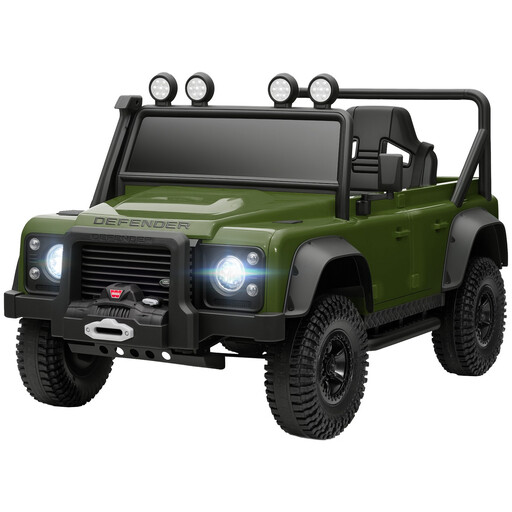
Why This Fits Their Persona: For the child who wants to venture off the patio and onto the lawn. This 12V ride on car has the power and features needed for a typical garden, including the ability to handle grass, brick and asphalt surfaces.
It directly counters two major pitfalls with its soft-start system for safe acceleration and four-wheel suspension, which provides a genuinely smoother ride on uneven garden terrain.
Features a powerful 12V 7Ah battery for up to an hour of runtime. The dual driving modes (manual and remote) offer flexibility as the child grows more confident.
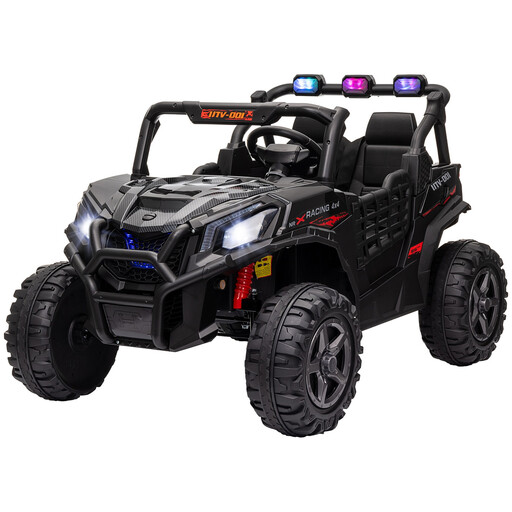
Why This Fits Their Persona: Built for sharing, this robust 2 seater kids electric car has a high weight capacity of 60kg and a powerful 24V dual-motor system. It's the ideal choice for siblings or for older children (up to 8 years) wanting a more powerful off-road experience.
This model delivers genuine power with its 24V battery and dual motors, avoiding the trap of underpowered cars. The rear spring suspension provides real capability on grass and gravel, making it a true off road kids car.
The two-seater design with individual seatbelts is perfect for social play. It also features adjustable speeds (3-8 km/h) via the remote, allowing parents to set a safe pace.
We have compiled a complete, real-time list of products that fully satisfy these strict selection criteria and UK safety regulations.
The runtime for a kids electric car typically ranges from 45 to 80 minutes. This is influenced by several factors: the battery's capacity (a 12V 7Ah battery will last longer than a 12V 4.5Ah one), the terrain (driving on grass uses more power than on a patio), the child's weight and the speed setting. Most models will provide a full afternoon of intermittent fun before needing a recharge.
It depends on the model. A standard 6V car is designed for flat, hard surfaces and will likely struggle on grass. For reliable performance in a garden, you should choose a 12V ride on car or a 24V model. Features like dual motors and, most importantly, wheel suspension will provide the necessary traction and smoothness for an enjoyable ride on grass and other uneven surfaces.
Most ride-on cars require some home assembly, but the process is generally straightforward. Typically, you will need to attach the wheels, steering wheel, seat and connect the battery. The main body of the car usually comes pre-assembled. Expect to spend between 30 and 60 minutes on assembly. It is always a good idea to read the instruction manual thoroughly before you begin.