
24/7 Customer Support

Free returns

Same-day & Next-day Delivery

Quality Guaranteed

Unlock Your Welcome Offers: FREE Delivery | Up to 80% OFF | Free 30-day JoyPlus trial
Download the APP
As a Joybuy Product Recommendation Officer, my role is to help you navigate the crowded market of children's toys. When it comes to kids electric cars, the excitement is undeniable, but so are the potential pitfalls. Many parents find themselves with a product that looks great on the box but fails to deliver on its promises. Before you make a purchase, let’s look at the common traps to avoid.
The most frequent complaints often stem from three key areas:
To ensure you're getting a durable and safe toy, it pays to understand a few core specifications. These details separate the high-quality models from those that won't last the season.
The voltage of a battery powered car for kids directly impacts its performance. While 6V models are available and suitable for very young toddlers on perfectly flat, indoor surfaces, they often struggle on grass or slight inclines.
A 12V ride on car offers a significant step up. It provides more consistent power, allowing the vehicle to handle varied terrains like a typical British garden lawn or a gravel path. This extra power also supports more features, such as brighter lights and music systems, without draining the battery as quickly. For children aged three and up, a 12V system generally provides a more satisfying and longer-lasting experience.
For any ride on car, safety and control are paramount. Here are the features to look for:
The world of electric cars for kids is diverse. While ride-on models offer a realistic driving experience, older children might be more interested in a high-performance remote control car for kids. These range from agile stunt rc car models capable of 360-degree flips to sophisticated 4wd remote control car models designed for speed and precision. For the budding hobbyist, an rc drift car with swappable tyres offers a fantastic introduction to advanced driving techniques.
To help you match a product to your child's needs, we've highlighted a few options that address the common pitfalls and deliver on key performance metrics.
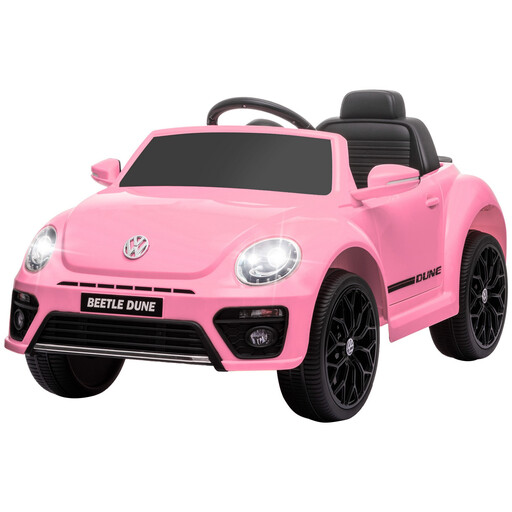
Why This Fits Their Persona: Ideal for a child's first driving experience. The iconic, friendly design is appealing, while the dual-control system allows parents to ensure safety as the child learns. It's a perfect toy car gift for boys and girls who dream of their first set of wheels.
The soft start function prevents sudden jolts, and the parental remote provides a reliable override. Its 12V battery offers up to an hour of playtime, addressing the short run-time issue.
Features a four-wheel suspension for a smooth ride and includes fun extras like an FM radio and LED headlights for a more immersive experience.
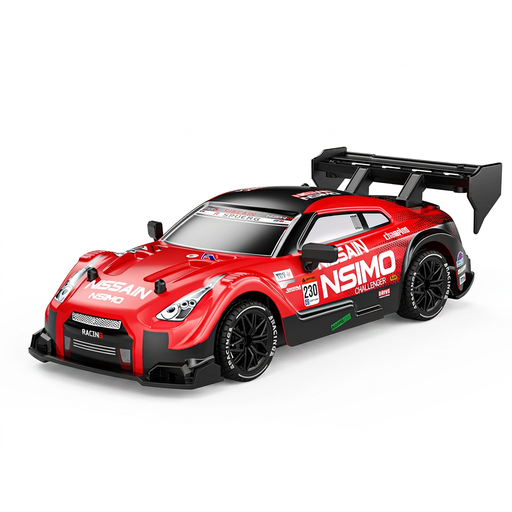
Why This Fits Their Persona: For the older child who has moved beyond simple toys and is looking for performance. This **rc drift car** offers a hobby-grade experience, allowing them to practise precision control and stunts.
Unlike basic RC cars, this model includes two sets of tyres—one for racing and one for drifting. This avoids the disappointment of a car that can't perform the advertised stunts.
The 4WD power system and mechanical steering provide strong, responsive control for genuine drifting. The rechargeable battery offers a respectable 20-40 minute run time.
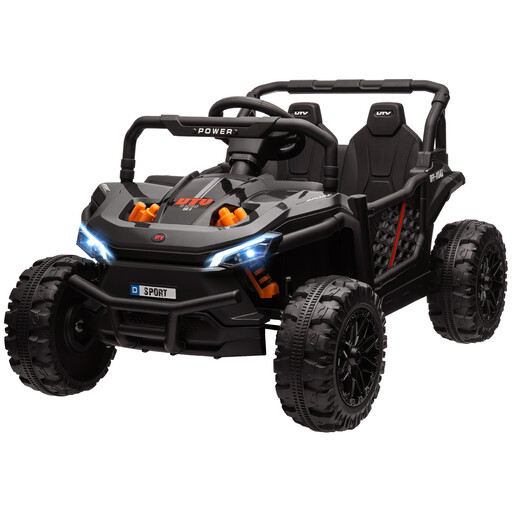
Why This Fits Their Persona: Built for adventure, this truck-style ride-on is for the child who wants to go beyond the patio. Its robust build and powerful motors are designed for handling the typical UK garden with ease.
This model's four-wheel shock absorption and dual 35W motors prevent it from getting stuck on grass or uneven ground, a common failure point for less powerful cars.
Offers a higher speed of up to 6 km/h for more thrilling rides and a solid 50-minute run time. The dual driving modes ensure parents can maintain control when needed.
We have compiled a complete, real-time list of products that fully satisfy these strict selection criteria and UK safety regulations.
Run time depends heavily on the battery (12V models generally last longer than 6V), the terrain and the child's weight. On average, you can expect between 40 to 60 minutes of continuous use from a full charge on a quality 12V car. Always check the manufacturer's stated run time, but treat it as an estimate for ideal conditions. Charging typically takes 8-12 hours.
Yes, provided they have the right safety features. A 12V ride on car is suitable for a three-year-old if it includes a parental remote control for override, a safety belt and a soft-start function for gradual acceleration. Always check the recommended age and weight limits, and ensure your child is supervised during play.
A ride on car is a miniature vehicle that a child sits inside and drives, often with parental remote-control assistance. The focus is on a realistic driving experience. An RC stunt car is a smaller, remote-controlled vehicle that the child operates from a distance. Its design prioritises speed, agility and the ability to perform tricks like flips and spins, making it more of a hobby-grade toy for older children.