
24/7 Customer Support

Free returns

Same-day & Next-day Delivery

Quality Guaranteed

Unlock Your Welcome Offers: FREE Delivery | Up to 80% OFF | Free 30-day JoyPlus trial
Download the APP
As a Joybuy Product Recommendation Officer, my role is to help you navigate the crowded market of children's products. When it comes to a kids electric toothbrush, the goal is simple: find a tool that cleans effectively, is safe for developing teeth and encourages a routine without turning toothbrushing into a daily battle.
However, many parents find themselves caught in common purchasing traps. Before you buy, be aware of these pitfalls that often lead to wasted money and frustration.
To make a sound choice, focus on the fundamental specifications that determine a toothbrush's safety and effectiveness for your child.
This is the most critical factor. A child's mouth is not a miniature version of an adult's.
You generally have two options: battery-operated or rechargeable.
Instead of being swayed by marketing buzzwords, look for these practical features that support good brushing habits.
Based on these practical criteria, here are a few options suited to different needs and age groups.
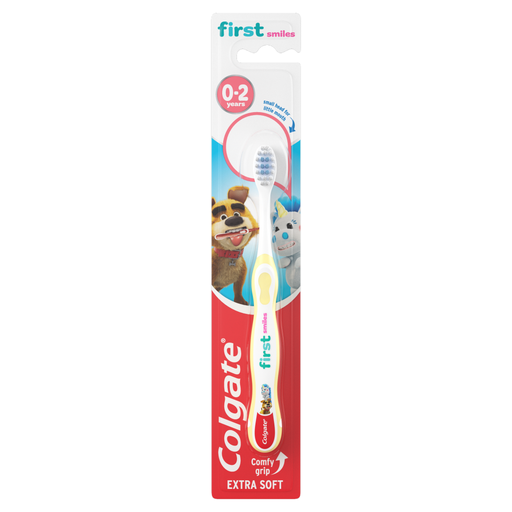
Why This Fits Their Persona: This manual brush is designed for the very beginning of a child's oral care journey. It gives parents full control to gently clean first teeth and massage tender gums, establishing a comfortable routine from day one.
It sidesteps the "Tech Overload" trap entirely. For this age, simplicity and gentleness are paramount. There are no electronics, just a well-designed manual tool focused on safety.
Features an extra-small head for tiny mouths and ultra-soft bristles that are gentle on new teeth and gums. The non-slip handle gives parents a secure grip.
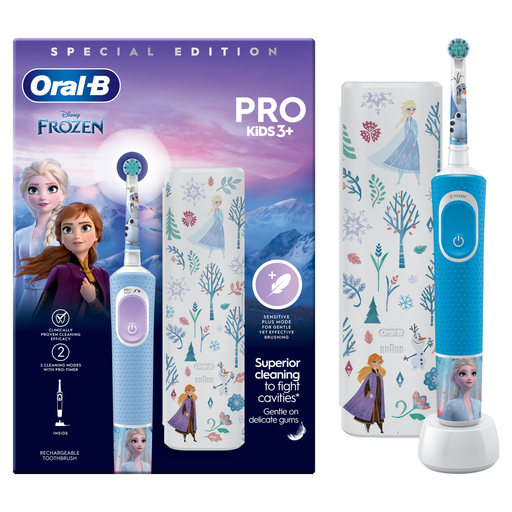
Why This Fits Their Persona: Perfect for the child who needs a bit of encouragement. The popular Frozen theme and customisable stickers make brushing exciting, helping to build a positive habit. It's a great first rechargeable toothbrush for a young child.
This brush avoids the "Character Trap" by pairing the fun design with solid, kid-focused features. It's not just a toy; it's a functional tool from a reputable oral care brand.
Includes two modes, one of which is a unique "Gentle" mode for kids. The round head with extra-soft bristles is sized for small mouths and the two-minute timer builds good habits.
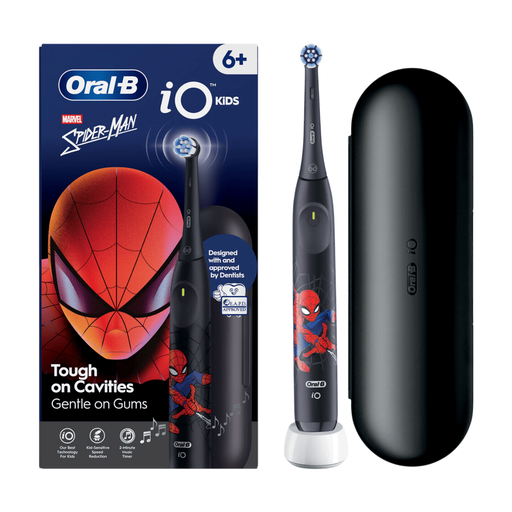
Why This Fits Their Persona: For older children who are brushing on their own, this model provides useful guidance. The technology helps them learn correct techniques while the Spiderman theme and app connectivity keep them engaged.
It avoids the "Tech Overload" trap by including features that offer genuine benefits. The pressure sensor isn't a gimmick; it actively protects a child's gums from damage caused by over-brushing.
The built-in pressure sensor is a standout feature for this age group. It also offers three gentle cleaning modes and connects to the Disney Magic Timer app for interactive brushing.
We have compiled a complete, real-time list of products that fully satisfy these strict selection criteria and UK safety regulations.
Dentists generally recommend replacing kids toothbrush heads every three months. However, you should replace them sooner if the bristles become frayed, splayed out or damaged, as this significantly reduces their cleaning effectiveness. Some brush heads, like those from Oral B Kids, have indicator bristles that fade over time to provide a visual reminder.
Yes, provided you choose a model specifically designed for their age group. A good toddler electric toothbrush will have an extra-small head, ultra-soft bristles and a very gentle vibration or rotation speed. It is crucial that an adult supervises brushing for all children under the age of eight to ensure they are using it correctly and safely.
The main difference is the motion of the brush head.
Both technologies are effective at removing plaque. The choice often comes down to your child's personal preference and comfort. Some children prefer the gentler feel of a sonic brush, while others enjoy the cleaning sensation of an oscillating head.