Families sharing a living-room setup
For siblings or visiting children using one screen, check how they will take turns, whether their games support the planned local play and how each child will access their own profile.


For children who will take turns or play together in one room, a TV-connected console is a practical choice if there is a suitable display and each child can use a managed profile. A tablet or family computer also makes sense when the device needs to serve other tasks; choose a handheld for portable play, but check the exact model before expecting TV output. Whichever route you take, confirm the intended games and set up content, communication, playtime and purchase controls for each child.
The right setup depends on whether children will share a screen, need different account rules or take the device away from the television.
For siblings or visiting children using one screen, check how they will take turns, whether their games support the planned local play and how each child will access their own profile.
Separate child accounts matter when content, communication, playtime or purchase settings need to differ between children. PlayStation says its parental controls are tied to accounts, while Xbox advises individual profiles on shared consoles.
A tablet or handheld gives a child a separate screen, but that does not mean it will work on the family TV. Nintendo states that Switch Lite, for example, has no TV output.
Decide where and with whom the children will play, then check the games, accounts and controls on the exact device you are considering.
Consider it when: Children will share a room and the household has a suitable display for the console.
Allow for: A fixed display location and separate managed child profiles rather than a shared adult login.
Consider it when: Portable play matters, with occasional TV play only if the selected model and games support it.
Allow for: Model-specific play modes: Nintendo says Switch Lite cannot output to a TV, and its console-level parental restrictions apply to everyone using that console.
Consider it when: Portability and tasks beyond gaming matter more than play on one communal screen.
Allow for: Individual supervised accounts; Apple’s family controls require Family Sharing, while Google says Family Link purchase approval covers Google Play billing rather than every payment route.
Consider it when: The same device also needs to handle schoolwork, browsing or other household computing.
Allow for: More account administration: Microsoft warns that a child with administrator access can change or break Family Safety settings.
| Priority | What to check | Your needs |
|---|---|---|
| Games and play mode | Check each intended game’s device compatibility, supported play mode and controller requirements. Confirm how many children can play locally. | We want the children to play the games they have in mind, either together or in turns, without assuming every game supports the same setup. |
| Room and display | For shared-TV play, confirm the exact device’s TV output and the display connection. Nintendo states that Switch Lite does not output to a TV. | A living-room screen matters to us; if play will mostly happen elsewhere, a separate portable screen may be more useful. |
| Child accounts | Check whether each child can have a managed account or profile and how the adult account is protected. On a Windows family computer, use a non-administrator child account. | Different children need their own settings, rather than using an adult login or sharing one set of account permissions. |
| Purchases | Check approval and spending settings for the chosen store, including downloads and in-app purchases. Google says Family Link purchase approval applies to Google Play billing. | I want to review eligible purchases before a child completes them, so the store and payment method need to work with the controls I set. |
| Content and contact | Read each game’s PEGI rating and content descriptors, then check the platform’s separate communication, privacy and online-play settings. | Age-suitable content and who a child can interact with are separate decisions in our household. |
| Playtime | Check whether schedules apply to an account or the whole device, and whether setup needs a family group, app or internet connection. | We need limits that fit the way each child actually signs in and uses the device. |
| Accessories | Check the box contents against the planned number of players and each game’s required controls. Confirm how any additional controllers will be charged. | An extra controller matters if the planned local play needs one; a headset is a separate decision tied to our rules for voice chat. |
A handheld that works for one child may not serve as a shared-TV device. Nintendo states that Switch Lite has no TV output, and some games need external Joy-Con controllers for play on that model.
Note the intended room, number of players and play mode, then check TV output and game requirements for the exact model.
External controllers and a way to recharge them may also be needed for those Switch Lite games.
Account-based child settings may not apply to an adult login. PlayStation says its parental controls are tied to accounts, and Xbox recommends individual profiles on shared consoles.
Create a child account or profile for each child and protect the adult organiser account using the platform’s available sign-in controls.
PEGI describes age ratings as minimum-age recommendations based on content; they do not set a platform’s spending, communication or playtime rules.
Check the rating and descriptors, then configure store, privacy, online-play and time settings for the child’s account separately.
Microsoft warns that an administrator can change or break Family Safety settings.
Use a standard child account and check that the computer is connected to the intended family group before relying on its schedules or filters.
These account systems affect how a household can manage play; the brand references do not imply that every device or feature is included in the Joybuy options below.
A PS5 or PS4 household can manage child settings through PlayStation family management.
Xbox family settings are relevant to shared consoles, with Microsoft Family Safety also covering connected Windows devices.
Nintendo’s Switch family includes handheld play, with TV play depending on the console model.
An iPad may suit a household that also wants non-gaming use and can manage separate child Apple Accounts.
Family Link is a supervision route for a child’s Google Account on supported Android devices or Chromebooks.
These Xbox consoles are options for a household considering gaming on a shared display. Compare their stated storage and edition, then check the intended games, display connection, box contents and child-account setup before choosing; tablets, computers and handhelds remain separate routes.
 No image available
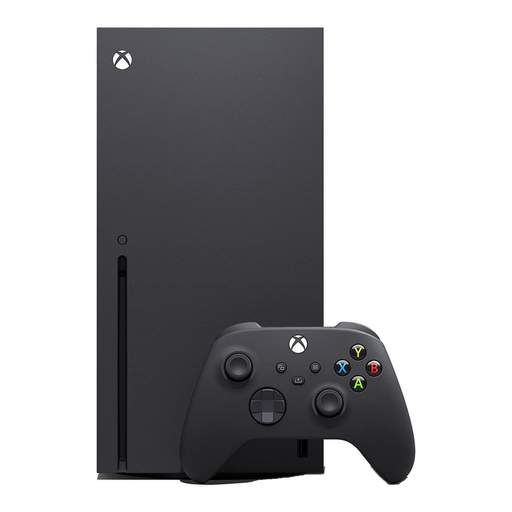
Consider this Xbox console for a shared-room setup if the household’s intended games and display suit it. The listed variant is black with 1TB storage. Set up separate child profiles and check purchase and communication settings before children use it.
 No image available
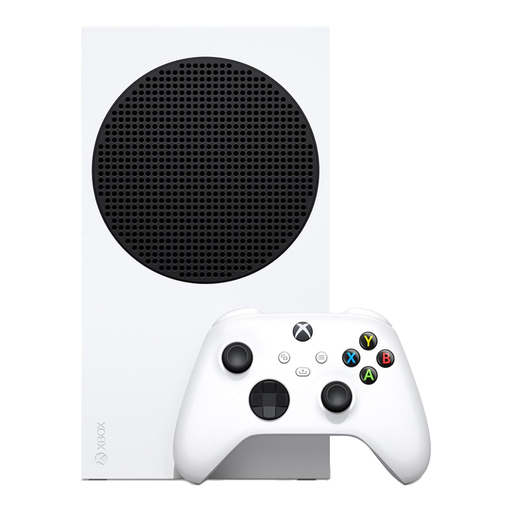
For a household considering an Xbox on a shared display, check this model against the games children want to play and the available connection. The listed variant is white with 512GB storage. Give each child a profile and configure purchases separately from game age ratings.
 No image available
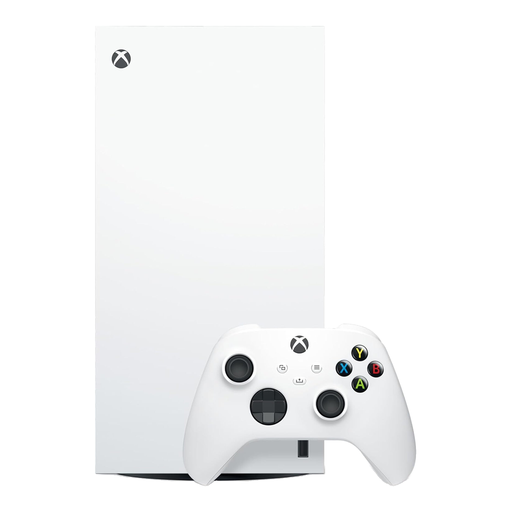
This Digital Edition is an Xbox option for shared-room play if the household’s intended games suit the edition and display setup. The listed variant is white with 1TB storage. Check how the children will obtain their games, then set up child profiles and purchase controls.
 No image available
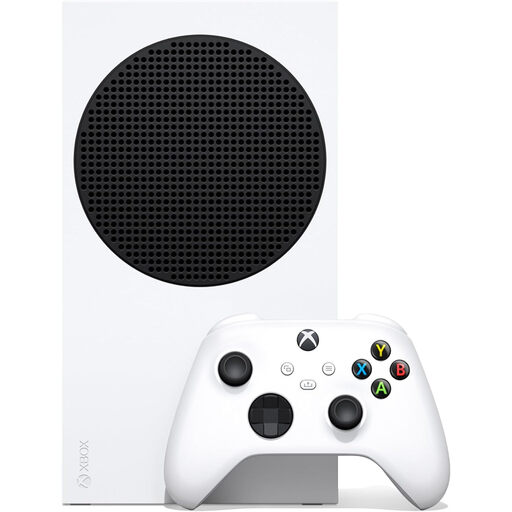
Consider this Xbox Series S for a shared home setup once you have checked game and display compatibility. Its listed storage is 1TB. Confirm the included controller and connection equipment for the planned number of players, and set up a managed profile for each child.
No: set up separate child accounts or profiles within the platform’s family system. PlayStation says parental controls are tied to accounts, and Xbox Support recommends individual profiles so use of a shared console can be managed separately.
Do not assume one setting covers every transaction. Xbox offers family purchase approval, Apple’s Ask to Buy handles eligible requests, and Google says Family Link approval applies to Google Play billing. Check the chosen store, payment method and child-account settings before use.
No. Nintendo states that Switch Lite does not support TV output. Check the exact console model and each intended game’s play modes before buying for a shared-TV setup.
No. PEGI ratings give minimum-age recommendations based on game content; communication and privacy require separate checks in the platform’s family settings and the game or service being used.
Check the exact game’s supported play mode, required controls and the device’s box contents before adding accessories. Nintendo says some games without handheld-mode support need wireless Joy-Con controllers on Switch Lite, along with a way to recharge those controllers.