
24/7 Customer Support

Free returns

Same-day & Next-day Delivery

Quality Guaranteed

Unlock Your Welcome Offers: FREE Delivery | Up to 80% OFF | Free 30-day JoyPlus trial
Download the APP
Choosing kids gummies can seem straightforward, but the category includes two very different products: confectionery designed for occasional enjoyment and food supplements intended for a stated age group. A colourful packet or “fruit-flavoured” label does not tell you whether the product suits your child, dietary requirements or intended use.
This guide explains the main buying pitfalls, the product details worth checking and a selection of options for different family needs.
Gummy sweets for children, such as Haribo gummies, jelly sweets for kids and chewy gummy sweets, are treats rather than nutritional products. Their ingredient lists commonly include sugar or glucose syrup, and their nutrition panels can show substantial sugar per 100g. Haribo Gold Bears, for example, contain 46g of sugars per 100g, while Haribo Jelly Babies Double Trouble contain 55g.
Children’s vitamin gummies are different. They provide specified nutrients per gummy or serving, but they should still be treated as food supplements, not as replacements for a varied diet. Avoid choosing a product solely because its packaging uses words such as “wellness”, “immune” or “energy”.
Age suitability is not interchangeable between products. Some supplements in this category are listed for children aged four and over, while Bassetts Children’s Multivitamin Daily Wellness Support Gummies are specified for ages seven to eleven. Some confectionery also carries choking warnings or age guidance.
Always check:
Never increase the serving because a child likes the flavour. Taking several products containing the same vitamin can also lead to unnecessary intake.
“Vegan”, “gelatin-free”, “no added sugar” and “allergen-conscious” can be useful shopping filters, but they do not replace reading the complete label. A product may be free from one ingredient while containing another relevant allergen or sweetener.
For example, Bassetts gummies use bovine gelatine and contain maltitol and sorbitol, which may have a laxative effect if consumed excessively. KIKI Health Body Biotics gummies use pectin but may contain peanuts, tree nuts and soya. Product formulations and packaging can change, so check the pack supplied before giving any product to a child.
Start by deciding whether you need a sweet treat or one of the children’s wellness supplements. For confectionery, compare portion size, sugar content, flavour and pack format. A 175g bag may suit occasional sharing, while individually wrapped sweets or a larger tub can be more convenient for parties.
For kids multivitamin gummies, check the nutrients supplied per serving rather than relying on general marketing language. Novomins Kids Multivitamin Gummies list 13 vitamins and minerals, while Nutrigums Kids Multi Vitality Gummies provide a selection including vitamins A, C, D3, E, B6 and B12. These figures should be compared with the child’s existing diet and any other supplements.
Traditional gummies often use gelatine. Haribo Gold Bears, Haribo Jelly Babies and Haribo Maoam Bloxx, for example, list gelatine in their ingredients. By contrast, pectin-based products such as Novomins Kids Multivitamin Gummies and Nutrigums Kids Multi Vitality Gummies are presented as suitable for vegan and vegetarian diets.
Do not assume that fruit flavour means fruit-based ingredients or that a product is suitable for every dietary requirement. Check for:
Compare the number of gummies with the stated daily serving. A 30-gummy supplement taken once daily represents 30 servings, whereas a 60-gummy bottle may provide a longer supply depending on the instructions.
For treats, larger tubs can reduce the cost per piece but may encourage less controlled portioning. Haribo Tub Maoam Bloxx contains approximately 40 individually wrapped pieces, while Haribo Tub Giant Strawbs contains approximately 75. Store all gummies in a cool, dry place away from heat and humidity, and reseal opened packaging properly.

Why This Fits Their Persona: A familiar-sized bag for families wanting a straightforward fruit-flavoured treat for sharing, lunchboxes or occasional snacks.
The 175g pack makes portioning more manageable than an open bulk tub. It is clearly a confectionery product rather than a supplement.
Six fruit flavours, soft chewy texture and no artificial colours listed. Contains gelatine.
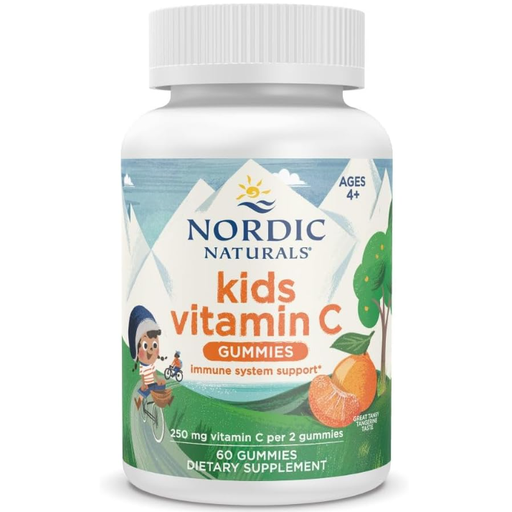
Why This Fits Their Persona: A 60-gummy format for families looking for a defined vitamin C supplement with a tangy citrus flavour and clear usage instructions.
The label states the intended age of four and over and a maximum of two gummies daily, helping prevent guesswork.
Contains vitamin C and uses pectin; listed as free from gluten, milk derivatives and synthetic dyes. Contains added sugar.
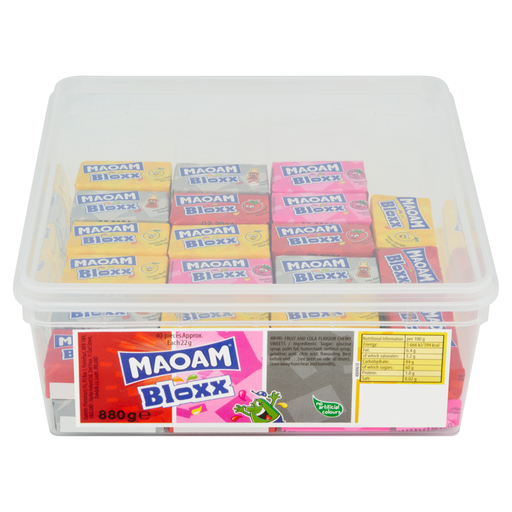
Why This Fits Their Persona: Suitable for parties, family gatherings and organised sharing where individually wrapped pieces are practical.
The tub states approximately 40 individually wrapped pieces, making distribution easier than sharing from one open bag.
Fruit and cola flavours, individually wrapped 22g pieces and a resealable tub. Contains gelatine and sorbitol syrup.
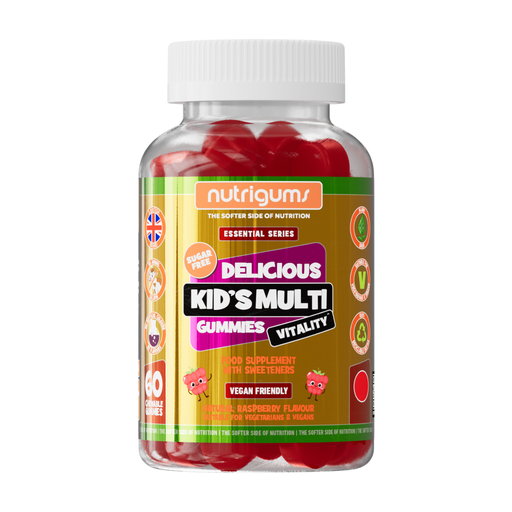
Why This Fits Their Persona: Designed for children aged four to twelve and families seeking vegan children's gummies in a daily multi-nutrient format.
Its listed one-gummy serving and pectin format provide clear information for shoppers avoiding gelatine.
60-gummy pack, mixed berry flavour and a formula listing vitamins A, C, D3, E, B6 and B12. Listed as vegan and free from gelatine.
We have compiled a complete, real-time list of products that fully satisfy these strict selection criteria and UK safety regulations.
No. Gummy sweets are confectionery and are generally high in sugar or carbohydrate. Children’s vitamin gummies are food supplements with specified nutrients and serving instructions. Both should be given according to the label, but neither should replace a balanced diet.
Not automatically. Sugar-free products may use polyols such as maltitol or sorbitol. Excessive consumption can cause a laxative effect, so follow the stated serving and read the ingredients carefully. “No added sugar” also does not necessarily mean sugar-free.
Keep them in their original packaging in a cool, dry place, away from heat, humidity and direct sunlight. Reseal bags and tubs after opening. Supplements and sweets should remain out of children’s reach, and the packaging should be checked for the best-before date, warnings and updated ingredients before use.