
24/7 Customer Support

Free returns

Same-day & Next-day Delivery

Quality Guaranteed

Unlock Your Welcome Offers: FREE Delivery | Up to 80% OFF | Free 30-day JoyPlus trial
Download the APP
As a parent or guardian, your child's safety is paramount. When they’re cycling to the park, learning to scooter or trying out a skateboard, a reliable kids helmet is non-negotiable. Yet, the market is flooded with options, from colourful character designs to technical multi-sport models, making it difficult to know what truly matters. Choosing the wrong child's protective headwear can lead to a poor fit, a lack of certified protection or a helmet your child simply refuses to wear.
This guide, from your Joybuy Product Recommendation Officer, cuts through the marketing clutter. We'll highlight the common pitfalls to avoid and break down the essential features to look for, ensuring your child is both safe and happy.
Many well-intentioned parents fall into a few common traps. Being aware of them is the first step to making a smarter choice.
The "One-Size-Fits-Most" Illusion: You'll often see an "adjustable kids helmet" advertised to fit a wide age range, such as 3 to 8 years. While adjustability is crucial, a helmet that is too large for a child's head, even when tightened, can shift during an impact, failing to protect the most vulnerable areas. A proper fit should be snug from the start, with the adjustment system used for fine-tuning, not for bridging a massive size gap.
Looks Over Certified Safety: A vibrant Spiderman helmet or a cute dinosaur helmet can be the key to getting your child to wear it. However, an appealing design is no substitute for safety certification. Many novelty helmets sold online may not meet UK safety standards. Always look for the CE mark and EN 1078 certification, which is the European standard for helmets for pedal cyclists, skateboarders and roller skaters.
Ignoring the Construction Type: Not all helmets are made equal. The two most common types are "in-mould" and "out-mould". Out-mould helmets, where a plastic shell is taped or glued to the foam liner, are often cheaper but can be bulkier, and the shell can sometimes separate. In-mould construction fuses the outer shell and foam liner into a single, stronger and more lightweight piece. Understanding this difference helps you evaluate a helmet's durability and value beyond its price tag.
To ensure you're buying effective protection, focus on these three non-negotiable elements.
A helmet only works if it fits correctly. Before you shop, use a soft measuring tape to measure the circumference of your child's head, positioning the tape about one inch above their eyebrows.
Never purchase a helmet without checking its safety certifications.
While a multi-sport safety helmet is a versatile choice, some activities demand specific gear. A lightweight, highly ventilated boys cycle helmet is perfect for long rides, while a girls skate helmet often features a tougher ABS shell to handle multiple minor scuffs and impacts. For winter sports, a dedicated youth ski helmet offers more coverage and insulation, and is certified to different standards (like EN 1077).
We've matched some options to common family needs, helping you find a helmet that avoids the pitfalls and delivers on safety.
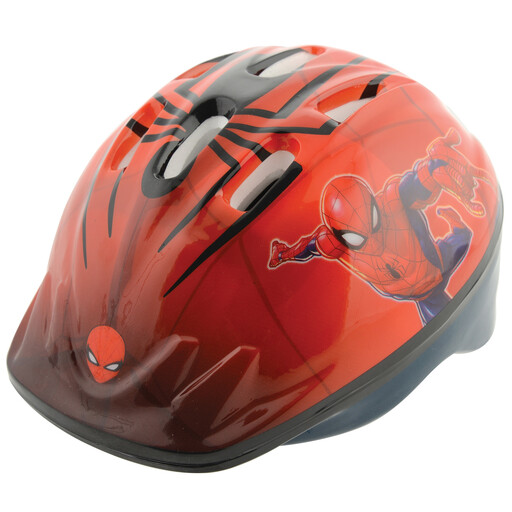
Why This Fits Their Persona: Perfect for young children whose biggest barrier to safety is a reluctance to wear a helmet. The officially licensed Spiderman design makes safety exciting, encouraging them to put it on for every bike or scooter ride.
It avoids the "looks over safety" trap by combining a fun design with essential safety features, including a durable EPS inner, a hard outer shell and an adjustable fit system for head sizes 48-52cm.
Features a rear adjustment dial and quick-release buckle for a secure, customisable fit. The ventilated shell helps keep heads cool during active play.
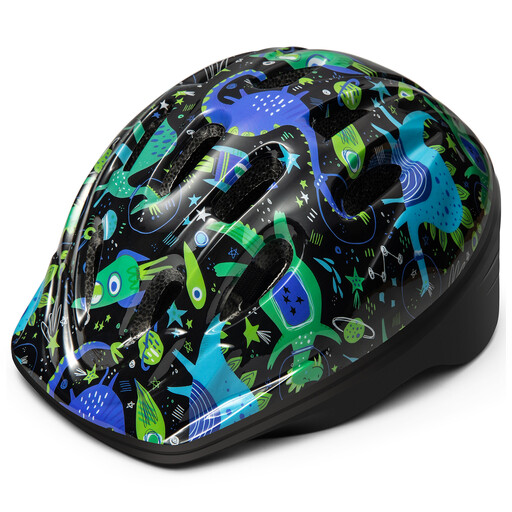
Why This Fits Their Persona: Ideal for the active child who switches between their bike, scooter and skateboard. The tough ABS shell and shock-absorbing EPS core are built to handle the varied demands of multi-sport use.
It solves the "one-size-fits-all" problem by including two different removable liners. This allows for a truly customised and safe fit as the child grows, rather than relying solely on an over-extended dial.
Complies with U.S. CPSC safety standards and features a smooth ventilation system for comfort. The fun dinosaur helmet design appeals to kids without being tied to a specific media character.
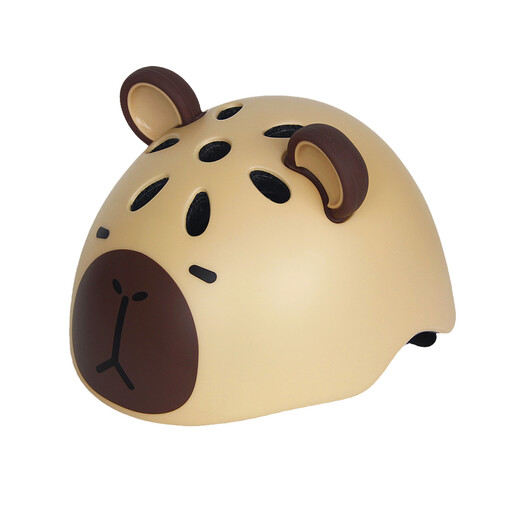
Why This Fits Their Persona: For the child who wants something fun and unique. The charming capybara design with 3D ears is a stylish step up from character helmets, making it a cool accessory they'll be proud to wear.
This helmet avoids the "construction confusion" trap by offering a high-quality in-mould construction. This fuses the PC shell and EPS foam, creating a lightweight yet durable helmet that provides robust, EN 1078 certified protection.
Features 7 air vents for breathability and a user-friendly adjustment dial for a perfect fit. The unique animal helmet design makes safety gear fashionable and fun.
We have compiled a complete, real-time list of products that fully satisfy these strict selection criteria and UK safety regulations.
You should replace a child's helmet immediately after any significant crash or impact, even if there is no visible damage. The protective foam inside can be compromised. Additionally, it's wise to replace a helmet every 3-5 years, as materials can degrade over time. You must also replace it once your child has outgrown it or if the straps, buckle or adjustment system become worn or damaged.
Traditional bike helmets are engineered to protect against a single, major impact and often prioritise being lightweight and having maximum ventilation. Skate-style helmets typically use a harder ABS shell and are designed to withstand multiple, lower-force impacts. For general recreational use, a multi-sport safety helmet that is certified to EN 1078 offers a great balance for activities like cycling, scootering and casual skating.
This is not recommended. A dedicated youth ski helmet is built to different safety standards (e.g., EN 1077) and designed for the types of falls common in snow sports. They also provide greater head coverage and essential insulation to protect against the cold, particularly over the ears. Always use the correct, sport-specific headwear for maximum protection.