
24/7 Customer Support

Free returns

Same-day & Next-day Delivery

Quality Guaranteed

Unlock Your Welcome Offers: FREE Delivery | Up to 80% OFF | Free 30-day JoyPlus trial
Download the APP
Finding the right toy for a child can feel like a significant challenge. You want something they will genuinely enjoy, but also a toy that supports their development. With so many options available, from simple blocks to complex gadgets, it is easy to feel overwhelmed. This guide is designed to help you navigate the world of kids learning toys, offering practical advice and highlighting a few popular choices to make your decision easier.
As the Joybuy Product Recommendation Officer, my role is to provide clear, objective information to help you find products that are a great fit for your family's needs.
Before diving into specific products, here are a few key points to consider when shopping for educational gifts for children. Keeping these in mind will help you select a toy that is both engaging and beneficial.
A toy's effectiveness is closely tied to its suitability for a child's developmental stage. A toy that is too advanced can cause frustration, while one that is too simple may be quickly discarded. Always check the manufacturer's recommended age range. In the UK, look for the UKCA mark, which indicates that the product meets the required safety standards for toys sold in Great Britain.
The most successful learning toys are those that children do not even realise are educational. Toddler and preschool learning games that incorporate skill-building into imaginative play are often the most engaging. Look for toys that encourage problem-solving, creativity or motor skills through activities the child already finds enjoyable.
A child is far more likely to engage with a toy that features familiar characters or themes they love. Interactive character toys, for example, can be a fantastic gateway to learning. By leveraging a child's existing affection for a TV show or story, these toys can make activities like counting or colour recognition feel like part of the fun, not a lesson.
Here are a few recommendations that balance entertainment with developmental benefits, making them popular choices for parents and gift-givers.
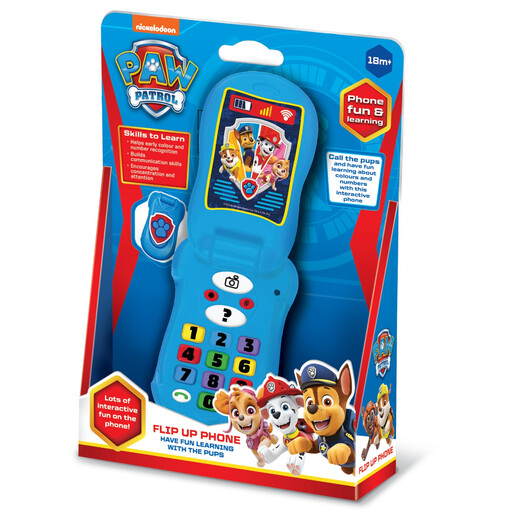
Why It Stands Out: This toy phone combines the excitement of the Paw Patrol universe with foundational learning concepts. It uses the voices of Ryder and the pups to create an interactive experience, asking children to find numbers and colours in a playful quiz format. The flip-phone design is chunky and easy for small hands to manage, promoting fine motor skills.
Pros:
Who is it for? This is an excellent choice for toddlers aged 18 months and older, especially those who are fans of Paw Patrol. It serves as a great introduction to kids electronic toys by mimicking a grown-up gadget in a safe, age-appropriate way.

Why It Stands Out: For children ready for a slightly more advanced gadget, this learning watch offers a mix of practical functions and educational games. It not only tells the time but also includes an alarm, timer and stopwatch. The four built-in games are designed to reinforce skills like counting, sorting and matching, all guided by the familiar voice of Peppa Pig.
Pros:
Who is it for? Aimed at children aged 3 to 6 years, this watch is ideal for preschoolers who are showing an interest in telling time and enjoy interactive challenges. It is a great gift for Peppa Pig fans who are ready for their first piece of wearable tech.
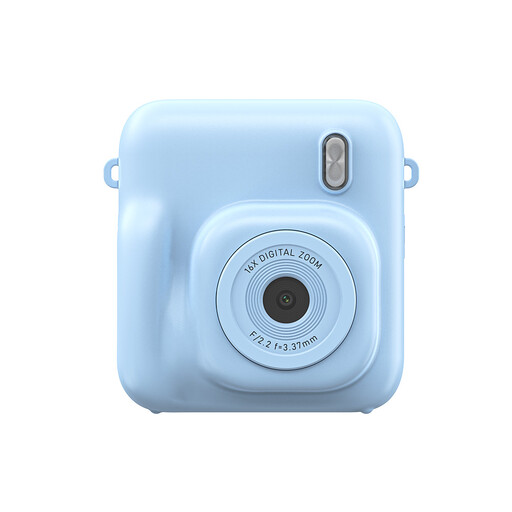
Why It Stands Out: This camera moves beyond simple games to foster genuine creativity. It allows children to take digital photos and instantly print black-and-white copies on thermal paper, offering immediate, tangible results. This process encourages them to observe their surroundings, compose shots, and express themselves visually. It is a modern take on a classic creative hobby.
Pros:
Who is it for? This is one of the more versatile creative toys for boys and girls, suitable for ages 3 and up with adult supervision, though it will likely be most appreciated by children aged 5 to 10. It is a fantastic gift for a budding artist or photographer who enjoys creating and documenting their world.
The toys highlighted here are just a starting point. Every child's interests and developmental pace are unique. If you are searching for a wider variety of electronic and interactive toys, there are many other choices available.
Explore our full range of Kids electronics birthday gifts to find the perfect match for your child.
An educational toy is one that stimulates learning and development. This can include building cognitive skills like problem-solving and memory, fostering creativity and imagination or developing physical skills such as hand-eye coordination and fine motor control. It achieves this through play, making the learning process enjoyable and engaging.
There is no single correct answer, as it depends on the child and the specific toy. Simple electronic toys, like the Paw Patrol phone, can be introduced to toddlers from around 18 months. These are designed with large buttons and simple cause-and-effect functions. More complex gadgets are better suited for preschoolers and older children who can navigate menus and understand multi-step instructions. It is always advisable to follow the manufacturer's age guidance.
Yes, they can be very effective. When a toy features a character a child already knows and loves, it can create an immediate connection and motivate them to play. This pre-existing bond can make learning activities feel more like an extension of their favourite show or story, which often increases engagement and focus.