
24/7 Customer Support

Free returns

Same-day & Next-day Delivery

Quality Guaranteed

Unlock Your Welcome Offers: FREE Delivery | Up to 80% OFF | Free 30-day JoyPlus trial
Download the APP
As a Joybuy Product Recommendation Officer, my role is to help you navigate the crowded shelves and make informed choices. When it comes to packing a lunchbox, the drink is often an afterthought, but it can be a source of confusion for many UK parents. You want something convenient and hydrating that your child will actually drink, but the aisle is filled with options that aren't always what they seem.
Finding the right on-the-go drinks for children can feel like a balancing act. Before you stock up, it's worth being aware of a few common pitfalls that can lead to purchases that are less healthy or practical than their packaging suggests.
To avoid these traps, focus on a few core details on the product label. This will help you choose suitable children's fruit drinks with confidence.
This is the number one concern for most parents. Ignore the marketing claims on the front and turn straight to the nutritional table on the back.
The ingredients list reveals the true composition of the drink.
Consider how and when your child will be using the drink.
Instead of a one-size-fits-all approach, we've matched some options to different family needs.
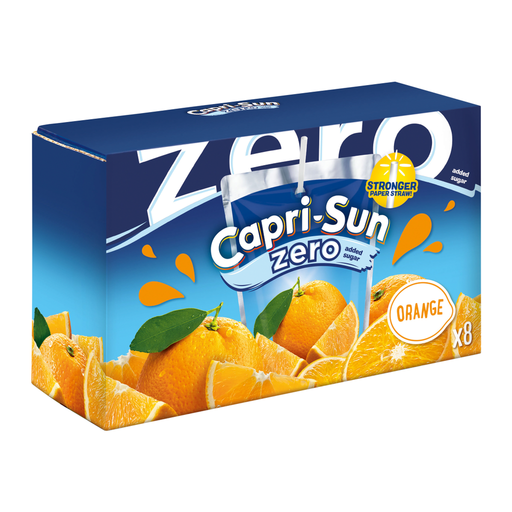
Why This Fits Their Persona: For parents who diligently check labels and prioritise the lowest possible sugar content. This provides the classic pouch experience without the sugar load.
It directly counters the "hidden sugar" pitfall. With only 0.6g of sugar per 100ml, it's one of the lowest-sugar options available in this format.
Extremely low in calories (4 kcal/100ml) and sugar. Uses a sweetener (sucralose) instead of sugar. Comes in a convenient 8-pouch multipack.
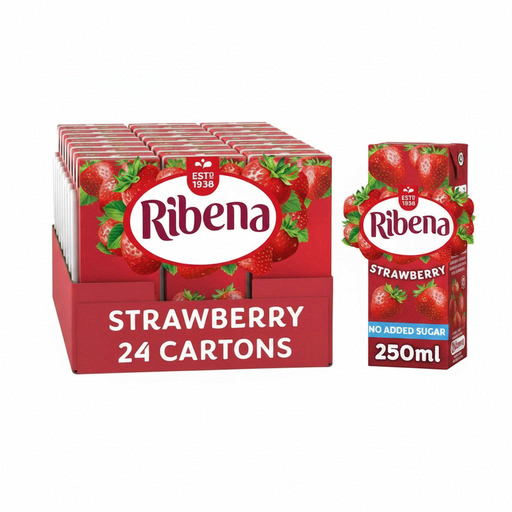
Why This Fits Their Persona: Perfect for busy parents who need to stock the pantry for the school term. This large 24-pack offers excellent value and convenience, ensuring you're never caught short.
This proves that buying in bulk doesn't mean you have to compromise. It has no added sugar and a negligible sugar content (0g per 100ml), avoiding the sugar trap entirely.
Excellent value per unit in a large 24-carton case. A familiar and trusted flavour, rich in Vitamin C and free from artificial colours.
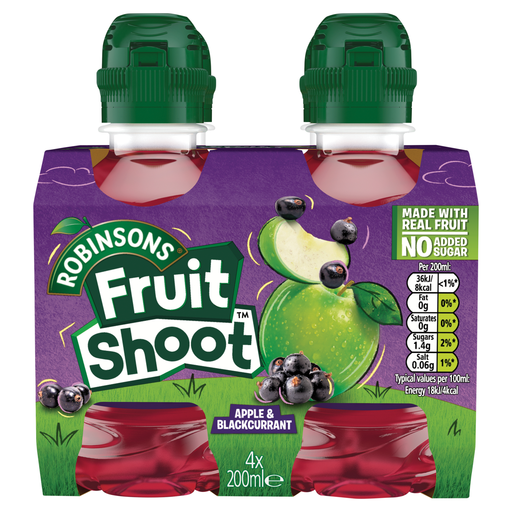
Why This Fits Their Persona: A popular choice with children that parents can feel good about. The familiar brand and taste can be a winner with picky drinkers, while the recipe meets parental standards.
It sidesteps the trap of popular brands being high in sugar. This no-added-sugar version contains only 0.7g of sugar per 100ml, making it a much better choice than original formulations.
Features a child-friendly, spill-resistant sports cap. Made with real fruit juice and contains no artificial colours or flavours.
We have compiled a complete, real-time list of products that fully satisfy these strict selection criteria and UK safety regulations.
'No added sugar' means that the manufacturer has not added any sugar during processing, but the product may still contain natural sugars from fruit. 'Sugar-free' means the product contains a negligible amount of sugar (typically less than 0.5g per 100ml). Many of the recommended kids' drinks fall into the 'no added sugar' category but are very close to being 'sugar-free'.
This can be complicated. While the individual components (like the plastic pouch, straw and wrapper) are often recyclable, they usually need to be separated. Many local councils do not accept them in household recycling bins. However, specialist recycling programmes, such as those run by TerraCycle, often have public drop-off points for these types of pouches. Always check with your local authority or the manufacturer's packaging for specific guidance.
Most manufacturers include a warning that their products are unsuitable for children under 36 months. This is primarily due to the choking risk associated with small parts, such as the straw or the cap. It is always advisable to supervise young children when they are consuming any drink, especially from a pouch with a straw.