
24/7 Customer Support

Free returns

Same-day & Next-day Delivery

Quality Guaranteed

Unlock Your Welcome Offers: FREE Delivery | Up to 80% OFF | Free 30-day JoyPlus trial
Download the APP
A kids multi-sport helmet can be a practical choice when one child enjoys cycling, scootering, skateboarding and roller skating. However, not every colourful children’s bike helmet is suitable for every activity, and attractive features can sometimes distract from the essentials.
Parents and carers commonly encounter three buying pitfalls:
The practical approach is to check certification, head circumference, construction, comfort and the activities listed by the manufacturer before buying.
For cycling, roller skating, inline skating, skateboarding and scootering, look for a helmet marked EN1078 or clearly described as tested to EN1078. This European standard covers helmets intended for users of bicycles, skateboards and roller skates. Some product listings may also mention CE certification, but CE marking and the applicable helmet standard are not interchangeable, so check the full product information.
An EN1078 certified helmet is not designed for every situation. It should not be used for climbing, activities involving entrapment risks, motor sports or any use not listed by the manufacturer. No helmet can prevent every injury, so supervision and safe riding habits remain important.
Measure around the largest part of the head, approximately 2–3 cm above the eyebrows and keeping the tape level. Compare the result with the product’s size range rather than relying on a general age recommendation.
A useful adjustable kids helmet should sit level, cover the forehead without obstructing vision and remain stable when the child gently shakes their head. The chin strap should be snug without pressing uncomfortably against the throat. Look for features such as:
Do not buy a helmet several sizes too large in the expectation that a child will grow into it. A loose helmet may shift during a fall.
Most children’s safety helmets use an EPS foam liner beneath an outer shell such as polycarbonate, ABS or PVC. EPS is designed to compress during an impact, which is why the helmet should be replaced after a significant collision even when visible damage is not obvious.
An in-mould design bonds the outer shell and EPS liner into one integrated structure. Out-mould designs can also be suitable when correctly certified, but construction should be considered alongside fit and intended use rather than treated as the only deciding factor.
A lightweight children’s helmet may be easier to wear for longer journeys. Ventilation is also relevant for active children: seven, ten or more vents can help airflow, while removable liners make cleaning easier after warm-weather rides. These features improve wearability, but they are not substitutes for the correct size and fastening.
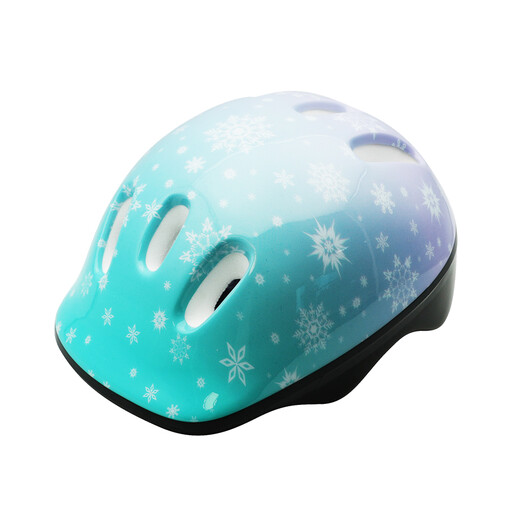
Why This Suits Them: A straightforward option for a younger child beginning cycling, scootering or skating, particularly where a simple adjustable fit and bright design may encourage regular use.
The listing identifies EN1078 testing and a head circumference adjuster, helping shoppers check function rather than choosing on appearance alone.
PVC outer shell, EPS inner liner, adjustable sizing and strong webbing straps; suitable for cycling and skating activities.
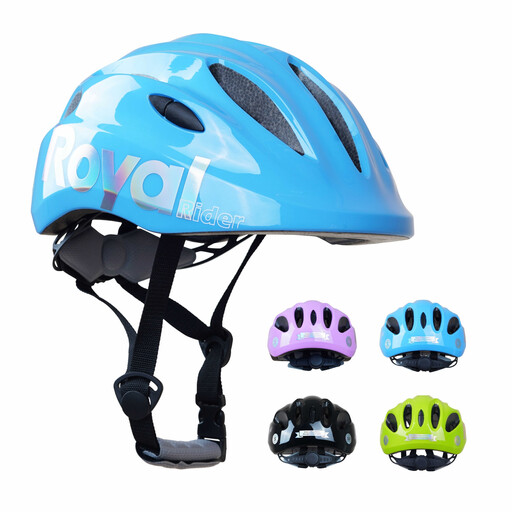
Why This Suits Them: Suited to families wanting one helmet for regular balance-bike rides, cycling, scooters, skateboards and rollerblades, with a focus on ventilation and cleaning.
Its stated 52.05–55.88 cm adjustment range is more useful than an age-only label, while the washable liner addresses sweat and routine upkeep.
PC shell with EPS liner, ten ventilation holes, removable washable liner and an approximate weight of 213g.
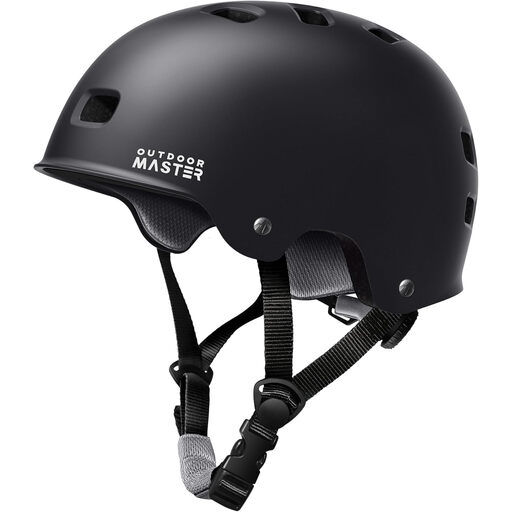
Why This Suits Them: A practical match for children aged five and over who switch frequently between skateboards, scooters, bikes, roller skates and inline skates.
The 46–51 cm size is stated clearly, and two removable liners offer a way to refine the fit instead of relying on a loose helmet for growth.
Reinforced ABS shell, EPS core, adjustment dial, adjustable chin strap and washable removable liners.
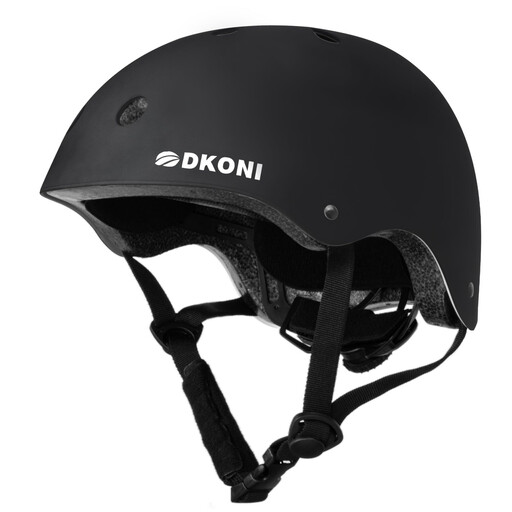
Why This Suits Them: Suitable for households comparing sizes for children, teenagers or several family members who take part in different non-motorised wheeled activities.
It lists S, M and L measurements from 48–61 cm and identifies CPSC1203, ASTM1447 and CE1078 standards, making comparison more transparent.
ABS shell, EPS foam, removable inner pads and suitability for cycling, skateboarding, inline skating, roller skating and scooters.
We have compiled a complete, real-time list of products that fully satisfy these strict selection criteria and UK safety regulations.
Before each ride, check that:
Clean the shell with a soft, damp cloth and mild soap. Removable liners can usually be hand-washed, but follow the product instructions and allow all components to dry fully. Avoid solvents, harsh chemicals and direct heat.
An EN1078 certified helmet is intended for bicycles, skateboards and roller skates, provided the product is used as directed. Check the listing for the specific activities covered, particularly if the child also uses a scooter or inline skates.
It should sit level on the head, with the front edge above the eyebrows and minimal movement when the child shakes their head. Adjust the rear dial, side straps and chin strap until secure but comfortable. Measure head circumference before ordering.
Replace it immediately after a significant impact, even if there is no visible damage. Also inspect it regularly for cracks, compressed EPS foam, damaged straps, loose buckles or worn padding. A helmet that no longer fits securely should be replaced rather than extended with improvised padding.