
24/7 Customer Support

Free returns

Same-day & Next-day Delivery

Quality Guaranteed

Unlock Your Welcome Offers: FREE Delivery | Up to 80% OFF | Free 30-day JoyPlus trial
Download the APP
From their first wobbly bike ride to mastering tricks at the skatepark, a child's adventures are full of exciting milestones. As a parent or guardian, your priority is ensuring they can play, explore and learn safely. A reliable helmet is non-negotiable, but with so many activities, finding one that offers certified protection for cycling, scootering and skating can be a challenge.
This guide is designed to help you navigate the options. We will outline the key features to look for in a kids multi-sport helmet and present a few carefully selected recommendations that balance safety, comfort and a style your child will be happy to wear.
Choosing the right helmet goes beyond picking a favourite colour. Here are the essential factors to consider to ensure you are getting a product that provides proper protection.
The most critical feature of any helmet is its safety certification. In the UK and Europe, look for the EN 1078 standard. This certification confirms that the helmet has been tested for use with pedal cycles, skateboards and roller skates. A certified youth helmet meeting this standard is designed to absorb impact and protect your child's head during the activities they love most. Always check the product description or packaging for this vital information.
A helmet that doesn't fit correctly cannot offer effective protection. It can slip out of place during a fall or be so uncomfortable that your child refuses to wear it. An adjustable kids helmet is the solution. Most modern helmets feature a dial-adjust system at the back, allowing you to fine-tune the fit to your child's head circumference. Combined with adjustable chin straps, this ensures the helmet sits snugly and level, providing consistent safety as your child grows.
A helmet's construction directly impacts its durability and weight. Many helmets use an in-mould construction, where the outer shell and inner foam liner are fused together. This creates a lightweight yet very strong helmet. Others use a traditional out-mould design with a separate shell bonded to the foam. Both are effective, but in-mould designs are often lighter.
Also, consider ventilation. Vents allow air to flow through the helmet, keeping your child's head cool and comfortable, especially during active summer days. This makes them more likely to keep their scooter helmet for kids or child's bike helmet on for the entire duration of their activity.
Here are our recommendations for 2026, chosen for their certified safety, practical features and child-friendly designs.
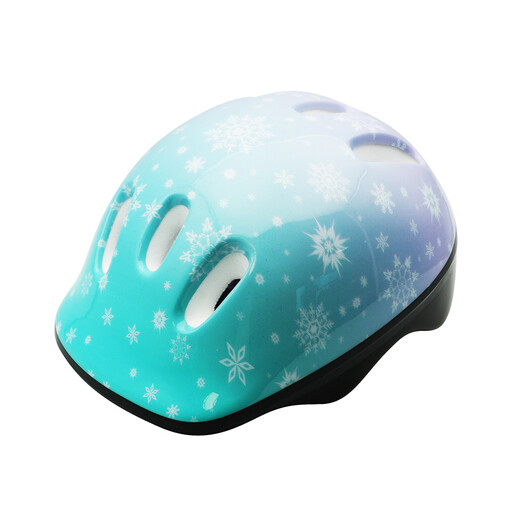
Why It Stands Out: The PW-905 combines reliable safety features with bright, engaging patterns that kids will love. Its straightforward design focuses on the essentials: a durable PVC shell, a protective EPS foam liner and an easy-to-use adjustment system for a secure fit.
Pros:
Who is it for? This helmet is an excellent choice for parents seeking a certified, no-fuss helmet with a fun design that encourages younger children to wear it without argument.
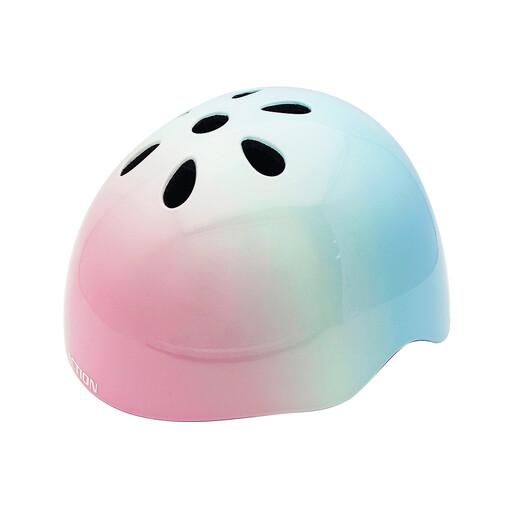
Why It Stands Out: This model features an advanced in-mould construction, which fuses the durable Polycarbonate (PC) shell with the shock-absorbing EPS foam. The result is a lighter, more streamlined helmet that doesn't compromise on protection. Its seven vents provide excellent airflow for enhanced comfort.
Pros:
Who is it for? Ideal for active kids who spend a lot of time on their bike, scooter or inline skates. Parents will appreciate the lightweight-yet-durable construction and enhanced breathability.
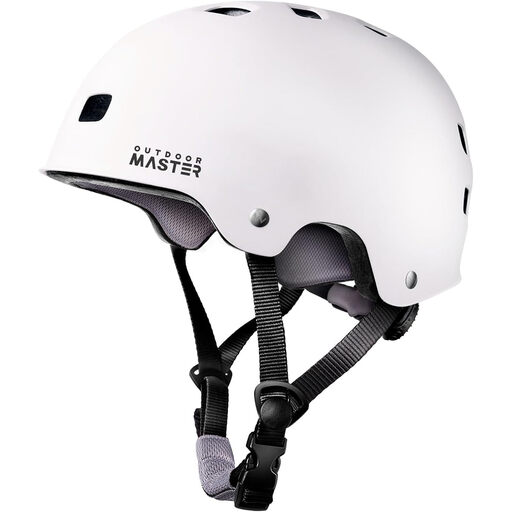
Why It Stands Out: The OutdoorMaster helmet is built for durability and versatility. It features a tough, reinforced ABS shell and a thick, shock-absorbing EPS core. Its standout feature is the inclusion of two removable liners of different thicknesses, allowing for a semi-custom fit and making cleaning simple.
Pros:
Who is it for? A strong contender for parents prioritising durability and hygiene. The dual-liner system is particularly practical for shared use or for ensuring a perfect fit over a longer period.
These three helmets represent a great starting point, but every child is different. If you're still weighing your options or looking for a different style, you can explore our complete collection.
Discover more choices in our Skateboard Helmet category.
1. How do I know what size helmet my child needs? To find the right size, use a soft measuring tape to measure the circumference of your child's head. Wrap the tape about one inch above their eyebrows, keeping it level all the way around. Compare this measurement (in centimetres) to the sizing chart provided for the helmet you are considering. An adjustable helmet will offer a range (e.g., 52-55 cm) that your child's measurement should fall within.
2. When should I replace a child's bike helmet? A helmet should be replaced immediately after any significant impact, even if there is no visible damage. The internal foam structure can be compromised, reducing its ability to protect against future impacts. You should also replace the helmet if you notice any cracks in the shell, frayed straps or a malfunctioning buckle.
3. Can my child use a bike helmet for skateboarding? It depends on the certification. A standard child's bike helmet may not be designed for the multiple, low-speed impacts common in skateboarding. However, a kids multi-sport helmet that is certified to the EN 1078 standard is specifically tested and approved for use with bicycles, skateboards and roller skates, making it a suitable and safe choice for all three activities.