
24/7 Customer Support

Free returns

Same-day & Next-day Delivery

Quality Guaranteed

Unlock Your Welcome Offers: FREE Delivery | Up to 80% OFF | Free 30-day JoyPlus trial
Download the APP
As a parent or guardian, your child's safety during play is paramount. Whether they are learning to ride their first bike, mastering a scooter, or trying out a skateboard, a reliable helmet is an essential piece of kit. But with so many options available, finding one that is safe, comfortable and that your child will actually agree to wear can be a challenge.
This guide is designed to cut through the clutter. We will walk you through the key features to look for in a kids multi-sport helmet and share some of our top recommendations to help you make an informed choice for your family.
Before diving into specific products, here are a few practical points to consider during your search. Focusing on these will ensure you choose a helmet that provides proper protection and good value.
In the UK and Europe, the most important safety standard to look for is CE EN 1078. This certification means the helmet has been tested for use with pedal cycles, skateboards and roller skates, making it a true multi-sport option. A CE certified helmet for children has met specific requirements for its construction, shock-absorbing capabilities and strap strength. Never purchase a helmet that does not clearly state its safety certifications.
A helmet that is too loose can shift during an impact, failing to protect the most vulnerable areas of the head. Conversely, one that is too tight will be uncomfortable and likely rejected by your child. Look for an adjustable youth helmet with a dial system at the back. This allows you to fine-tune the fit for a snug, secure feel. A well-designed chin strap that is easy to fasten and adjust is also vital. A proper fit ensures the helmet stays in place when it is needed most.
Most helmets consist of a hard outer shell and a soft inner foam liner. Hard-shell models (often using ABS plastic) are known for their durability, while in-mould helmets fuse the shell and foam, creating a lighter-weight design. Both are effective, but the choice may come down to your child's preference. Additionally, look for helmets with multiple air vents. Good airflow keeps the head cool and comfortable during active play, making your child more likely to keep their helmet on.
Here are a few standout options that balance safety, functionality and child-friendly design.
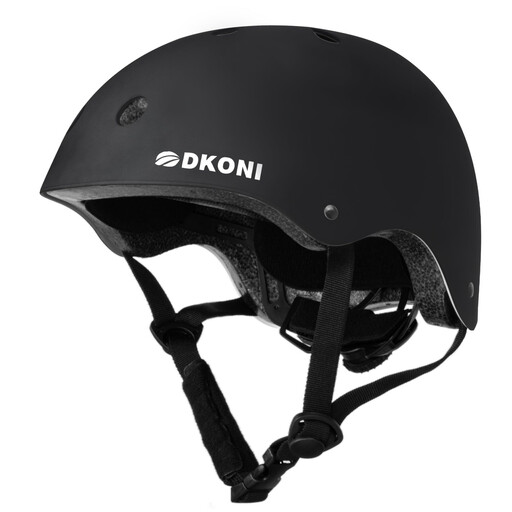
Why It Stands Out: This helmet is a straightforward and highly practical choice, notable for its multiple safety certifications and wide range of sizes. Its classic design is suitable for everything from a toddler scooter helmet to an adult's commuter helmet.
Pros:
Who is it for: Parents seeking a versatile, no-fuss helmet that meets multiple international safety standards. Its broad size range makes it a great option for families with children of different ages.
View the DKONI HS-001 Helmet on Joybuy.co.uk
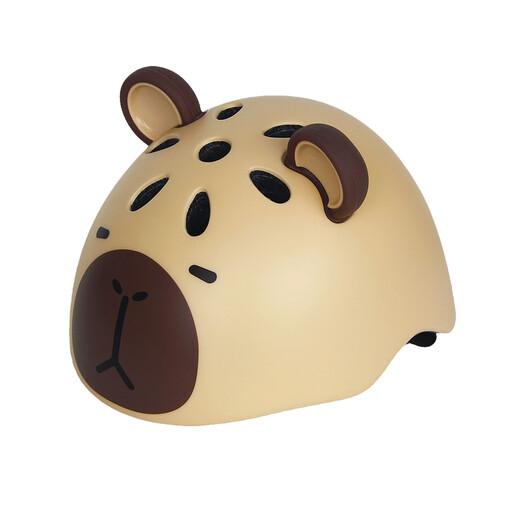
Why It Stands Out: Getting some children to wear a helmet can be a battle. This helmet's charming capybara design, complete with soft 3D ears, turns a safety essential into a fun accessory they will be excited to wear.
Pros:
Who is it for: Ideal for parents of toddlers and young children who need a little encouragement to wear their safety gear. It’s a fantastic choice for a first boys bike helmet or girls bike helmet.
View the ACTION Capybara Helmet on Joybuy.co.uk
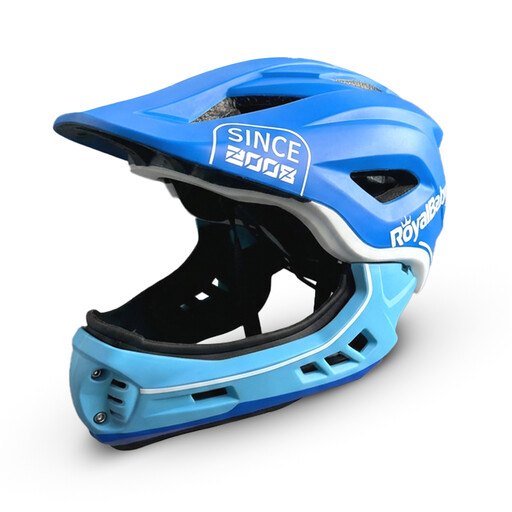
Why It Stands Out: This helmet offers exceptional versatility with its 2-in-1 convertible design. Use it as a standard half-shell helmet for casual rides or attach the chin bar for the enhanced protection of a full face kids helmet during more adventurous activities.
Pros:
Who is it for: Children who are progressing to more demanding sports or for parents who want a single, adaptable helmet that can grow with their child's skills and activities.
View the RoyalBaby Convertible Helmet on Joybuy.co.uk
While these recommendations cover a range of needs, every child is different. If you are looking for a different style, colour or feature set, there are many other excellent helmets to consider.
Explore our complete collection of Kids Toy Helmet to find the perfect match for your child's adventures.
The most accurate way is to measure your child's head. Use a soft tape measure and wrap it around the widest part of their head, approximately one inch above their eyebrows. Compare this measurement in centimetres to the sizing chart provided by the helmet manufacturer. An adjustable youth helmet provides some leeway, but starting with the right size range is key.
A helmet must be replaced after any significant crash or impact, even if there is no visible damage. The internal foam structure is designed to compress to absorb a single impact, and it will not offer the same level of protection afterwards. You should also replace a helmet if it is outgrown, or if the straps, buckle or shell show signs of cracking or wear.