
24/7 Customer Support

Free returns

Same-day & Next-day Delivery

Quality Guaranteed

Unlock Your Welcome Offers: FREE Delivery | Up to 80% OFF | Free 30-day JoyPlus trial
Download the APP
Finding the right kids night light seems simple enough. Yet, many parents find their purchase gathers dust after a few weeks, or worse, disrupts the very sleep it was meant to support. The market is filled with options that look appealing but fall short in practice. Often, this comes down to a few common but overlooked design flaws that can make a night light impractical, costly or even unsafe.
As the Joybuy Product Recommendation Officer, my role is to help you see past the marketing and focus on what truly matters for your child's comfort and your peace of mind. Before you buy, let's look at the key pitfalls to avoid.
Many night lights, especially those with a cool, blue-toned glow, can be too intense for a dark room. While they might look comforting, bright light can interfere with the body's production of melatonin, the hormone that regulates sleep. A light that is not dimmable or is fixed at a high brightness level can hinder your child from falling asleep and staying asleep, defeating its primary purpose.
Disposable battery-powered night lights seem convenient at first, but the costs can quickly add up, and you may find yourself constantly replacing them. On the other hand, a rechargeable night light with poor battery capacity is just as frustrating, needing to be charged daily. The ideal solution should offer a practical power source that fits your routine without becoming a constant chore or expense.
In a child's room, safety is non-negotiable. Some novelty lights are made from brittle plastics that can easily break, creating sharp edges. More importantly, any plug in night light or rechargeable device must meet UK safety standards (indicated by CE and UKCA markings). Products that lack this certification or are poorly constructed pose a genuine risk in a nursery or child's bedroom.
To avoid these traps, focus on a few core parameters. These details determine whether a night light will be a helpful addition to your home or a short-lived gadget.
The most important feature is the light itself. Look for a dimmable night light that allows you to adjust the brightness to a very low, gentle level. The colour of the light also matters. Warm, amber or red-toned light (typically under 3000 Kelvin) is less disruptive to sleep than cool white or blue light. While a colour changing night light can be fun for playtime, ensure it has a dedicated warm white mode for bedtime.
Your choice of power source depends on where and how you'll use the light.
Modern night lights come with features that add convenience and safety. A motion sensor night light is brilliant for hallways, automatically lighting the way when your child gets out of bed and switching off afterwards to save energy. For any baby night light, prioritise materials like soft, BPA-free silicone or sturdy, high-quality ABS plastic. Always check that the product is CE and UKCA marked, confirming it complies with UK safety regulations.
Based on these practical criteria, here are a few options from our catalogue that are well-suited for different family needs and preferences.
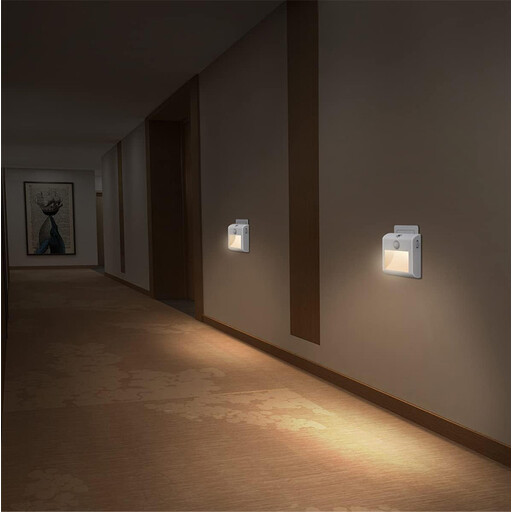
Why This Fits Their Persona: This two-pack is for the family that needs a no-fuss, set-and-forget solution. It's ideal for illuminating hallways, landings and bathrooms, providing safe passage for children at night without needing to be manually switched on or off.
The stepless touch dimming directly counters the "too bright" pitfall, while the motion sensor ensures it's only on when needed, saving energy. As a plug-in, it avoids battery costs entirely.
Touch dimming with memory retains your last brightness setting. The 4000-4500K warm white light is gentle on the eyes.
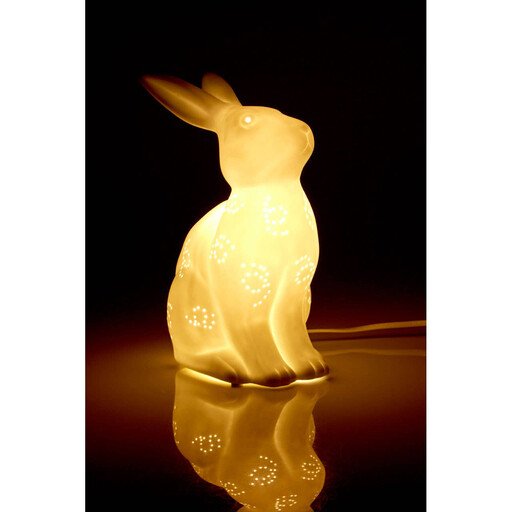
Why This Fits Their Persona: For parents who view every item as part of the nursery's decor, this ceramic rabbit light is a beautiful object in its own right. It provides a gentle, ambient glow that enhances a calm and stylish environment.
Crafted from 100% porcelain, it avoids the "flimsy and unsafe" trap of cheap plastic. The perforated design diffuses light softly, preventing the harsh glare that disrupts sleep.
Durable ceramic construction provides a premium feel and longevity. The in-line switch offers simple, reliable operation.
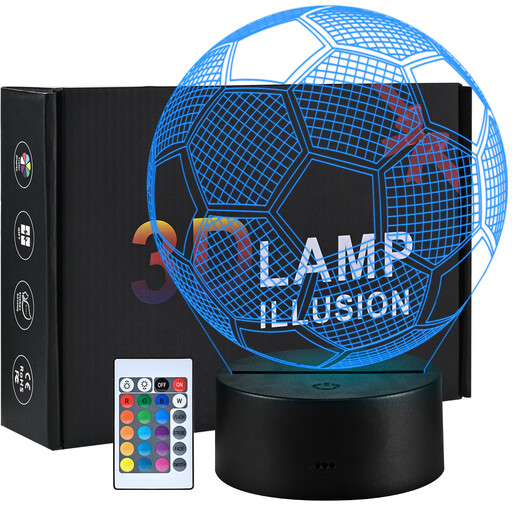
Why This Fits Their Persona: This is for the child whose bedroom is a shrine to their favourite sport. It's more than a light; it's a fun, interactive accessory that combines a comforting glow with a cool 3D illusion, making bedtime more exciting.
With 16 colour options and adjustable brightness via remote, it easily avoids being "too bright." The dual power (USB or battery) makes it a versatile, portable option, avoiding the hidden costs of disposable batteries.
Remote control allows for easy adjustments from across the room. The 3D visual effect provides a unique decorative touch that kids will enjoy.
We have compiled a complete, real-time list of products that fully satisfy these strict selection criteria and UK safety regulations.
A night light should be just bright enough to see by for navigation, but not so bright that it illuminates the whole room. Look for models with an output of under 50 lumens and, ideally, a dimming function that allows you to set it to the lowest possible level. A warm colour temperature (under 3000K) is also preferable.
Yes, provided they are from a reputable source and carry the CE and UKCA markings. These certifications indicate the product has been tested to meet UK safety standards for electronics and materials. Choose models made from durable, child-safe materials like silicone or ABS plastic, and ensure charging cables are kept out of reach of very young children.
The running cost is exceptionally low. A typical LED night light uses around 0.5 to 1 watt of power. Even if left on for 12 hours every single night for a year, the total electricity cost would likely amount to just a few pounds, making it a very energy-efficient and affordable solution.