Hosts serving a child with lactose intolerance
Lactose-free dairy milk may be an option if the child can have cow’s-milk protein. Confirm their needs with a parent or carer and check the carton you intend to serve.


Choose lactose-free cow’s milk for a child who needs to avoid lactose but can have cow’s-milk protein; it is not suitable for a child with a cow’s-milk protein allergy, as Cambridge University Hospitals NHS Foundation Trust explains. If dairy avoidance is required, confirm the child’s needs with their parent or carer and check a specific dairy-free drink for other relevant allergens. Read the current pack before serving, including the labels on party food as well as drinks.
The distinction for a children’s party is whether a guest needs to avoid lactose or cow’s-milk protein.
Lactose-free dairy milk may be an option if the child can have cow’s-milk protein. Confirm their needs with a parent or carer and check the carton you intend to serve.
Ask what the request means before choosing drinks, cake or dessert. Cambridge University Hospitals NHS Foundation Trust notes that lactose-free dairy products still contain the protein relevant to cow’s-milk protein allergy.
Choose the drink with the child’s parent or carer, then check its other ingredients. A plant-based option may contain another relevant allergen, such as oats, soya or almonds.
Confirm the guest’s requirement first; then check the exact drink and the other food you plan to serve.
| Priority | What to check | When it matters |
|---|---|---|
| Milk allergy | Ask the parent or carer whether the child must avoid cow’s-milk protein. Check the ingredients and milk-allergen declaration; lactose-free cow’s milk still contains dairy protein. | “I need to know whether a milk-free request means lactose intolerance or milk allergy before I serve anything.” |
| Lactose-free dairy | For a child who can have dairy protein, check the stated lactose information, milk ingredients and carton size. Tesco Groceries lists whole milk and lactase enzyme in Arla LactoFREE Whole Milk Drink and states less than 0.03% lactose. | “A guest needs to reduce lactose but can have cow’s milk, and I want a drink that fits the party menu.” |
| Dairy-free drink | Check that the specific drink is labelled dairy-free and review its ingredients for the child’s other allergens. Compare its nutrition panel if it will form part of the child’s usual diet; plant drinks are not interchangeable. | “Dairy must be avoided, but I also need to check whether oats, soya or nuts are relevant to this child.” |
| Other party food | Read the current ingredients and allergen information on cakes, biscuits, toppings, sauces and desserts separately. Keep packaging available for parents or carers to inspect. | “A suitable drink will not tell me whether the rest of the party food is suitable.” |
| Storage | Follow each carton’s refrigeration and after-opening instructions. The cited Tesco lactose-free skimmed drink and M&S lactose-free whole milk both specify use within three days of opening. | “I’m preparing drinks ahead of the party and need to follow the instructions on the cartons I open.” |
Lactose-free cow’s milk still contains milk protein. Cambridge University Hospitals NHS Foundation Trust says children with cow’s-milk protein allergy cannot use specialist lactose-free dairy products.
Confirm the requirement with the child’s parent or carer. For a milk allergy, follow their individual plan and check the exact dairy-free product rather than substituting lactose-free milk.
A suitable drink says nothing about the ingredients in cakes, desserts, toppings or other party food.
Check each relevant item’s current ingredient and allergen information, including food prepared by a supplier, and retain its packaging where possible.
Ingredients and allergen information can change, so a previously checked online description may not match the carton being served.
Read the physical pack’s ingredients, allergen information, use-by date and storage instructions before the party.
Plant-based drinks can contain different allergens and have different nutrition information. The Alpro oat drink listed by Waitrose & Partners contains oats and advises speaking to a healthcare professional before introducing it into children’s diets.
Confirm the child’s requirements with their parent or carer, then check the chosen drink’s ingredients, allergen information and nutrition panel.
These examples show why the product label matters more than a retailer or range name: lactose-free dairy and dairy-free drinks meet different requirements.
A lactose-free cow’s-milk range with whole, semi-skimmed and skimmed products in the cited UK retailer listings.
Tesco lists an own-label lactose-free skimmed dairy drink in a 1L carton.
Sainsbury’s lists Arla LactoFREE semi-skimmed dairy milk in 1L and 2L formats.
The M&S Made Without Lactose range includes whole and semi-skimmed cow’s-milk products.
Waitrose & Partners lists both Arla LactoFREE dairy milk and an Alpro dairy-free oat drink.
These plant-based drinks are options to check when a child needs a dairy-free drink. They do not replace lactose-free cow’s milk for every use, and each guest’s other allergens and dietary needs still matter.
 Image unavailable
A plant-based option to check when dairy avoidance is required and the child can have soya. The pack contains 8 × 1L cartons; confirm the current ingredients and allergen information with the child’s parent or carer before serving.
 Image unavailable
An oat-drink option for a child who needs to avoid dairy and can have oats. The pack contains 8 × 1L cartons; check the current pack for allergen information and sugar content if either affects the choice.
 Image unavailable
Consider this almond drink only if it fits the child’s confirmed dairy-avoidance requirement and they can have almonds. The pack contains 8 × 1L cartons; check the current allergen information and nutrition panel with their parent or carer.
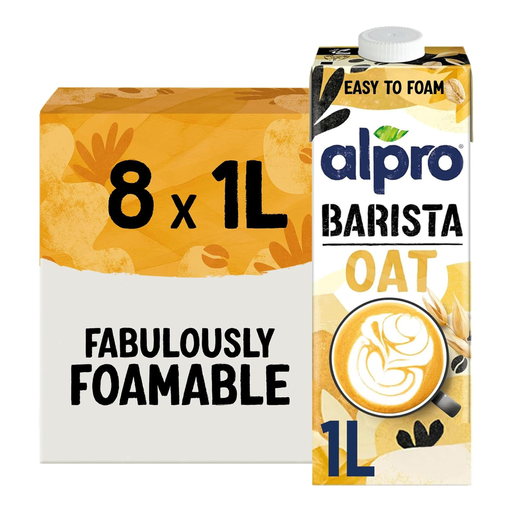 Image unavailable
This 8 × 1L oat-drink pack has a barista focus, so check whether it suits the drinks you plan to serve. It contains oats; confirm the child’s requirements and the current pack information before using it.
No: lactose-free cow’s milk still contains dairy protein. Cambridge University Hospitals NHS Foundation Trust states that children with cow’s-milk protein allergy cannot use specialist lactose-free dairy products. Confirm the child’s plan with their parent or carer before selecting an alternative.
Lactose intolerance concerns lactose, the sugar in dairy foods, and can cause digestive symptoms, according to the NHS. Cow’s-milk protein allergy concerns milk protein, which remains in lactose-free dairy products. Ask the child’s parent or carer which requirement applies rather than treating the terms as interchangeable.
Yes. A suitable drink does not establish whether cakes, biscuits, toppings, sauces or desserts meet a child’s requirements. Read each relevant item’s current ingredients and allergen information, including packaging supplied with prepared food.
Follow the instructions on the carton you use. Tesco’s cited lactose-free skimmed drink says to keep it refrigerated and use it within three days of opening; the cited M&S lactose-free whole milk specifies 0°C to +5°C and the same three-day after-opening period.