Parents planning a children’s party
When food is shared among children of different ages, start with suitable textures and each guest’s dietary requirements. A reduced-fat claim does not answer either question.


For a general children’s party, don’t make reduced-fat protein bars the shared snack: NHS guidance for young children suggests foods such as fruit and plain unsweetened yoghurt instead. If a parent has chosen a particular bar for an older child, check its age warning, ingredients and allergens on the exact wrapper; neither reduced fat nor low sugar settles those questions.
When food is shared among children of different ages, start with suitable textures and each guest’s dietary requirements. A reduced-fat claim does not answer either question.
An individually chosen bar is a different decision from serving one to every guest. Check the exact product’s age warning, ingredients and allergens; Grenade, for example, labels its Cookie Dough Protein Bar unsuitable for children under 14.
Coordinate the party snack with the child’s parent and existing clinical advice rather than selecting a reduced-fat product on its front-of-pack claim. Frimley Healthier Together’s NHS-linked guidance notes that some children with growth or medical concerns may need additional calories and protein.
Choose the food for the children and the occasion first; compare fat information only after checking age, ingredients and how the snack will be served.
| Priority | What to check | Your needs |
|---|---|---|
| Age and purpose | Read the stated age range and any warnings. Consider the serving size and whether the food was selected for one child or for the whole party. | I’m feeding a group of children, so an adult-oriented protein bar should not become the default shared snack. Grenade states that its Cookie Dough Protein Bar is unsuitable for under-14s. |
| Allergens | Check the exact flavour’s ingredients and precautionary allergen statements. Keep its wrapper available and follow parents’ allergy instructions. | Every guest needs a snack that fits their known allergy requirements. A familiar brand name or a different flavour’s label is not enough to make that call. |
| Sweeteners and warnings | Read the ingredient list for sweeteners or polyols and check for an excessive-consumption warning. Do not treat a low-sugar claim as an age-suitability statement. | If I’m considering a low-sugar bar, I still need to know what it contains. PhD, Myprotein and Grenade each carry an excessive-consumption laxative-effect warning on the cited products. |
| Party snack fit | Consider an age-appropriate format and texture that can be served with its ingredient information available. NHS examples for young children include fruit and plain unsweetened yoghurt. | I want food that works for this children’s snack occasion, rather than choosing a product for its protein or reduced-fat marketing. |
Those claims do not tell you whether a protein bar fits a child’s age or the needs of a group. The cited bars include products marketed around adult protein goals and products with sweeteners or age warnings.
Decide whether a bar is needed for a particular child before comparing its fat or sugar information; then read that product’s full label.
The cited products show why ingredients matter: Barebells lists milk and soya for its Cinnamon Bun Soft Bar and warns of possible contact with other allergens, while Grenade directs shoppers to product-specific allergy information.
Keep the exact wrapper, check each guest’s known allergy requirements with their parent or carer, and use another food if you cannot confirm suitability.
Grenade says its Cookie Dough Protein Bar is not suitable for children under 14. Its product page, like the cited PhD and Myprotein pages, also warns about a possible laxative effect from excessive consumption.
Follow an explicit age restriction. Do not offer multiple bars because their front-of-pack claims sound suitable for a party.
A protein-bar category can contain products with different ingredients and serving sizes. Myprotein’s comparison with a typical protein bar was verified by the brand in October 2022, not established as a current comparison across the category.
Compare the current label of the precise flavour and pack you intend to serve, rather than using a category filter as an ingredient or age check.
These examples show why the precise bar and flavour matter; a brand’s range does not establish that its products suit a children’s party.
Grenade markets protein bars around protein and sugar content, including its Cookie Dough bar.
PhD presents its Smart Bar as a high-protein, low-sugar snack.
Myprotein describes its Lean Layered Protein Bar as lower in fat than its own standard Layered Bar.
Quest describes its protein-bar range in terms of protein and sugar content.
Barebells UK lists flavoured protein bars, including a Cinnamon Bun Soft Bar.
Tesco is a retailer, not a protein-bar manufacturer; its category includes bars from different brands.
These are fruit and savoury snack options for a children’s party, rather than reduced-fat protein bars. Check each child’s age, food texture and allergy requirements before serving.
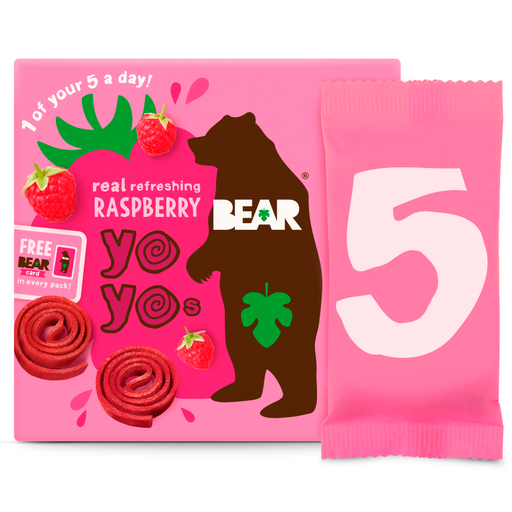 Image unavailable
A fruit-based snack to consider in place of a shared protein bar. The chewy texture may not suit very young toddlers; check with their parents and read the pack before serving.
 Image unavailable
An apple purée option where a parent wants food suited to a younger guest; the pack states 4+ months. It is not a finger food. Keep the pouch cap out of reach of children under 36 months.
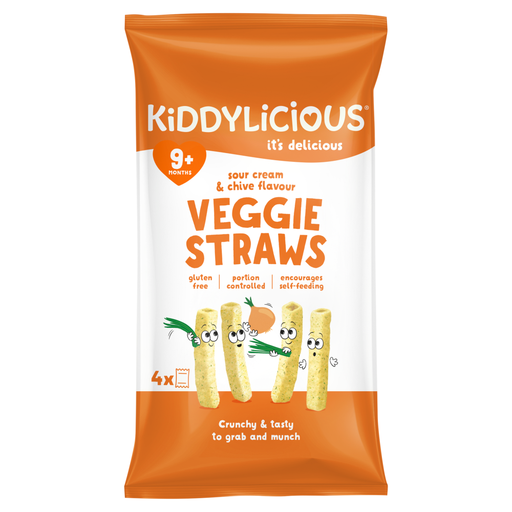 Image unavailable
A savoury finger-food option labelled for 9+ months. It contains milk, so check the exact pack and parents’ allergy instructions; also confirm that the child manages this texture.
Not as a default for a group of children. Reduced fat does not establish age suitability or address allergens and ingredient warnings; NHS young-child snack examples include fruit and plain unsweetened yoghurt. Choose food for the guests first, and assess any individually selected bar on its exact label.
Do not serve the cited Grenade Cookie Dough Protein Bar to a child under 14: Grenade explicitly labels it unsuitable for that age group. Its product page also warns that excessive consumption may cause a laxative effect.
No. A low-sugar label does not settle age or allergy suitability. For example, Tesco lists maltitol and sucralose in the cited Fulfil bar; read the exact bar’s full ingredients and warnings rather than relying on its front-of-pack claim.
Keep it as an individually checked food, not something to divide among guests. Ask the child’s parent or carer about their allergy requirements, retain the current wrapper and check its age and ingredient information before it is served.
Coordinate their party food with their parent or carer and the child’s existing plan rather than selecting a reduced-fat bar for the group. Frimley Healthier Together’s NHS-linked guidance notes that some children with growth or medical concerns may need additional calories and protein; that individual need does not determine the menu for every guest.