
24/7 Customer Support

Free returns

Same-day & Next-day Delivery

Quality Guaranteed

Unlock Your Welcome Offers: FREE Delivery | Up to 80% OFF | Free 30-day JoyPlus trial
Download the APP
Choosing a kids play mat seems straightforward, but the market is filled with options that can be misleading. Many parents invest in a mat only to find it falls apart, offers little protection, or is a nightmare to clean. Before you buy, it's crucial to understand a few common pitfalls that lead to wasted money and disappointment.
The most frequent issues we see are:
A good play mat should be a safe, durable and practical foundation for play. Let's break down what to look for.
To ensure you get a product that lasts and provides a genuinely safe environment, focus on these three core parameters.
The material is the most important factor. The two most common types are EVA and XPE foam.
Regardless of the type, always look for explicit mentions of being BPA-free and phthalate-free to ensure a safer play surface.
For a baby crawling mat or a surface for active toddlers, thickness is non-negotiable. A mat's ability to cushion a fall is directly related to its depth.
A dense foam will also resist dents and tears better, ensuring the mat maintains its protective qualities over time.
Consider how the mat will fit into your home and daily routine.
Based on these practical criteria, here are a few options suited to different family needs and play styles.
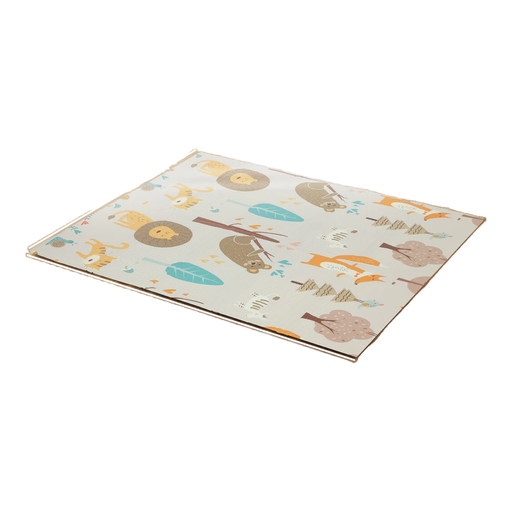
Why This Fits Their Persona: This mat is designed for the crucial developmental stage of crawling and early steps. Its generous size and reversible design provide a stimulating and safe space for infants to explore on hard floors.
With a 1.5cm thickness, it directly counters the "too-thin-to-protect" pitfall. The seamless, waterproof XPE foam surface avoids the hygiene trap of hard-to-clean crevices.
Excellent cushioning for tumbles and a foldable design for quick, easy storage. The reversible patterns offer two looks in one.
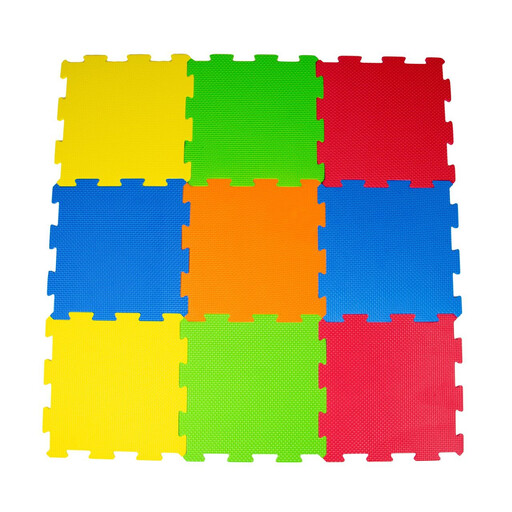
Why This Fits Their Persona: Ideal for those who need a flexible solution. These interlocking foam tiles can be configured to fit awkward spaces, used as a small mat or combined with more packs to cover a larger area. They can be stacked compactly when not in use.
The durable EVA foam is designed for longevity, resisting the wear and tear that causes cheaper tiles to fall apart. The textured, slip-resistant surface adds a layer of stability.
Highly versatile and customisable to fit any room size or shape. The sound-absorbing material also helps to dampen noise during energetic play.
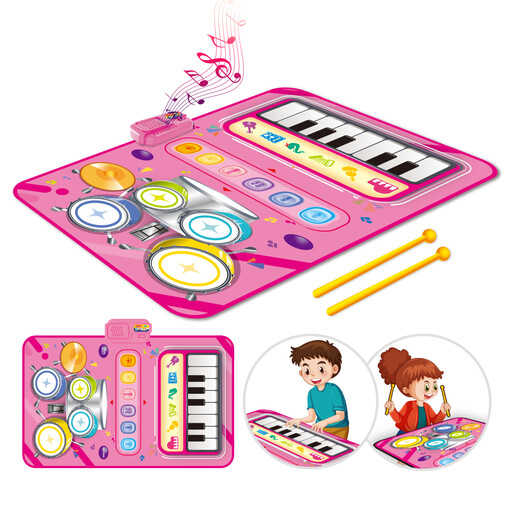
Why This Fits Their Persona: This is more than just a mat; it's an interactive toy. It's perfect for parents looking to encourage musical exploration, coordination and active play in toddlers and young children, turning floor time into a creative session.
This is a purpose-built activity play mat. Its value is in its function, not its cushioning. Made from soft, non-toxic fabric, it is easy to fold and store, avoiding the bulk of some other activity centres.
Combines a piano and drum set to promote auditory development and physical activity. It supports cooperative play for up to two children.
We have compiled a complete, real-time list of products that fully satisfy these strict selection criteria and UK safety regulations.
For a waterproof kids floor mat made of XPE or EVA foam, cleaning is simple. Use a soft cloth with mild soap and water for daily wipe-downs. Avoid using abrasive sponges, harsh chemical cleaners or bleach, as these can degrade the material and fade the colours over time. Always ensure the mat is completely dry before folding or storing it to prevent mould.
This depends on your needs. A single foldable play mat offers a seamless, easy-to-clean surface and is very quick to put away. Interlocking foam tiles offer greater versatility in size and shape, making them ideal for customising a space or for use in smaller, irregular areas. However, the seams between tiles can collect dirt and require more thorough cleaning.
A play mat is useful from birth, providing a clean spot for tummy time. It becomes particularly valuable around 3-6 months, when babies start to roll and push up. The most critical period is during the crawling and learning-to-walk phase (typically 6-18 months), where a thick, cushioned mat provides essential protection from falls on hard flooring. Many mats, including those with a car play mat with roads, remain useful for imaginative play well into the toddler and preschool years.