
24/7 Customer Support

Free returns

Same-day & Next-day Delivery

Quality Guaranteed

Unlock Your Welcome Offers: FREE Delivery | Up to 80% OFF | Free 30-day JoyPlus trial
Download the APP
Watching a child’s face light up as they zoom around on their very own vehicle is a priceless moment. But the journey to finding the right one can be tricky. The market for kids ride on toys is filled with options that look fantastic on the box but can lead to disappointment. As a Joybuy Product Recommendation Officer, my role is to help you see past the marketing and focus on what truly matters for safe, long-lasting fun.
Before you buy, be aware of a few common pitfalls that catch many parents out:
To ensure you're investing in a toy that is both safe and enjoyable, focus on these core parameters. They are the true indicators of quality and suitability.
Manufacturers provide a recommended age range, such as 18-36 months, which is primarily a safety guideline based on EN71 toy safety standards. However, you know your child best. Consider their individual size, coordination and confidence.
The way a ride on toy moves is fundamental to the play experience.
kids electric car, pay close attention to the battery voltage (6V or 12V). A 6V battery is suitable for younger children and flat surfaces, while a 12V offers more power for varied terrain. Also, verify the run time and charge time to manage expectations.Look beyond the bright colours and stickers. The construction of the toy is paramount for safety and durability.
outdoor toys for toddlers.Here are a few options that align with our criteria, matched to different needs and developmental stages.
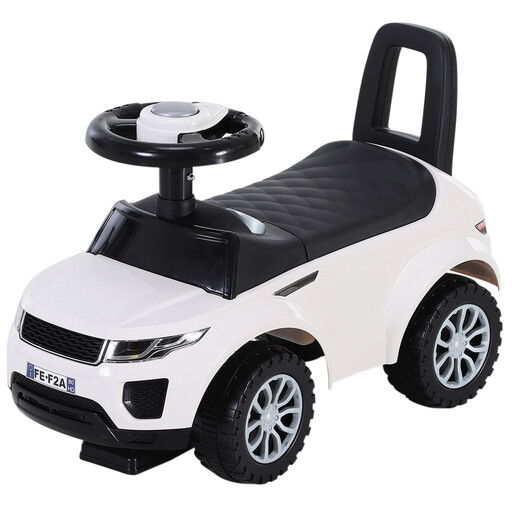
Why This Fits Their Persona: Perfect for a toddler's first set of wheels (1-3 years). It's a simple, safe and engaging toy that helps build confidence in walking and balancing without the complexity of pedals or batteries.
This is a manual foot-to-floor car, so there are no batteries to charge or run times to worry about. Its robust PP and metal construction includes an anti-overturning brake, directly addressing safety and durability concerns.
The 3-in-1 design functions as a walker, slider and ride-on, offering excellent value. It also features handy under-seat storage for taking favourite toys along for the ride.
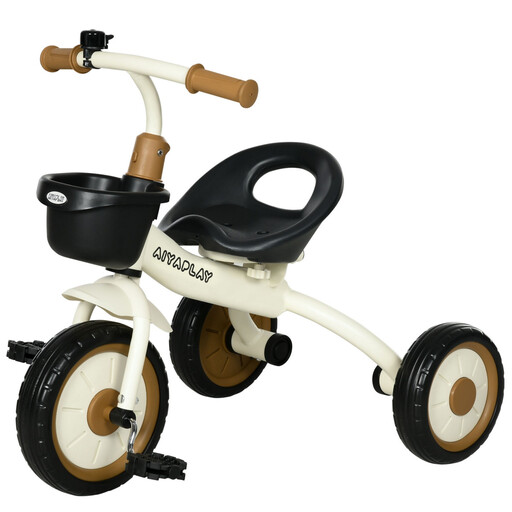
Why This Fits Their Persona: Ideal for a child (2-5 years) transitioning to a more active toy. This kids tricycle helps them learn to pedal and steer, building the skills and confidence needed for a future two-wheeled bike.
It directly counters the "grows with your child" illusion by featuring a genuinely adjustable seat (3cm range). This ensures a comfortable fit as your child gets taller, maximising the toy's lifespan and value.
The strong metal frame and solid EVA wheels provide a secure and smooth ride. It also includes a front basket and a bell, adding extra elements of fun and practicality to their adventures.
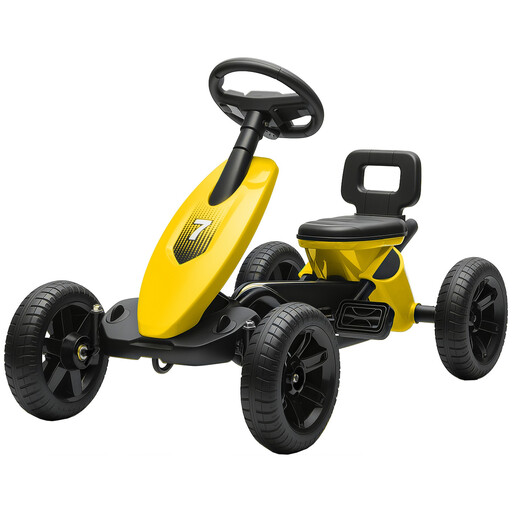
Why This Fits Their Persona: Built for energetic kids (2-5 years) who love playing outside. This pedal go kart is robust enough for garden paths and park adventures, offering a more thrilling experience than a standard toddler ride on.
This model features four EVA tyres, which glide quietly and smoothly over concrete, asphalt, or grass. This avoids the pitfall of noisy, brittle plastic wheels that crack easily and ruin outdoor fun.
As a pedal-powered toy, it offers unlimited, screen-free playtime with no batteries required. The solid plastic and metal frame provides a stable, secure ride for children up to 30kg.
We have compiled a complete, real-time list of products that fully satisfy these strict selection criteria and UK safety regulations.
The voltage indicates the battery's power. A 6V ride on car is generally slower (around 2-3 km/h) and best suited for younger toddlers and smooth, flat surfaces like patios or indoor flooring. A 12V ride on car offers more power, higher speeds and can better handle surfaces like grass or slight inclines, making it more suitable for older, more confident children.
This depends heavily on material quality and design. A basic, non-adjustable plastic toy may only be suitable for a year before your child outgrows it. However, a ride-on with a sturdy metal frame, durable EVA wheels and an adjustable seat, like a kids tricycle or pedal go kart, can realistically last for 2-3 years, offering much better long-term value.
Yes, they are highly beneficial. A foot to floor ride on encourages toddlers to use and strengthen their leg muscles, improve their balance and develop spatial awareness and coordination. They act as a fun stepping stone between crawling and walking confidently, and later, to learning how to pedal.