
24/7 Customer Support

Free returns

Same-day & Next-day Delivery

Quality Guaranteed

Unlock Your Welcome Offers: FREE Delivery | Up to 80% OFF | Free 30-day JoyPlus trial
Download the APP
Choosing kids ride-on toys can seem straightforward until you compare battery voltage, weight limits, wheel layouts, age guidance and assembly requirements. Marketing often focuses on flashing lights or licensed designs, while the details that affect everyday usability are easier to miss.
This guide from the Joybuy Product Recommendation Officer helps parents, grandparents and gift buyers compare children's electric ride-on cars, scooters, push-along vehicles and active-play toys for UK homes and gardens.
A sports-car shape or realistic motorbike design may attract a child, but it does not automatically suit their age, height or coordination. Check the seat dimensions, seat height, maximum load and recommended age before ordering. A vehicle that is too large can be difficult to steer, while a small toddler car may quickly become restrictive.
Electric ride-on cars and electric quad bikes for kids usually need adult assembly and an initial charge that can take several hours. Run time may also be limited. The listed products typically offer around 40–50 minutes of play per charge, followed by charging periods of approximately 8–12 hours, depending on the model.
Check whether the charger is included, whether remote-control batteries are separate and whether the charging port must be kept dry. Children should not use a toy while it is charging.
Headlights, music, horns and flashing wheels add interest, but they do not replace adult supervision, protective equipment or a suitable riding surface. Battery-powered toys should be used away from public roads, stairs, steep slopes and traffic. Inspect wheels, fasteners, steering parts and battery connections before use.
Age guidance is a starting point rather than a substitute for supervision. For babies and young toddlers, baby push-along cars and foot-to-floor models allow children to move using their legs. Several options are listed for approximately 18–36 months, with maximum loads of 20–25kg.
For children aged three and above, kids ride-on cars, ride-on motorbikes, electric quad bikes and pedal go karts offer more independent movement. Check whether the child can sit with their feet comfortably positioned and reach the handlebars, steering wheel or pedals.
Look for clear materials information, assembly instructions and warnings. Where stated, EN 71 relates to toy safety requirements, while EN 62115 covers the safety of certain electrically operated toys. These references are useful checks, but buyers should still read the product documentation and follow the manufacturer’s age, load and usage guidance.
Measure doorways, storage areas and garden paths before purchasing. Some electric cars exceed one metre in length, whereas a scooter or rocking horse is easier to store indoors. Avoid immersing electronic components in water and keep charging connections dry.
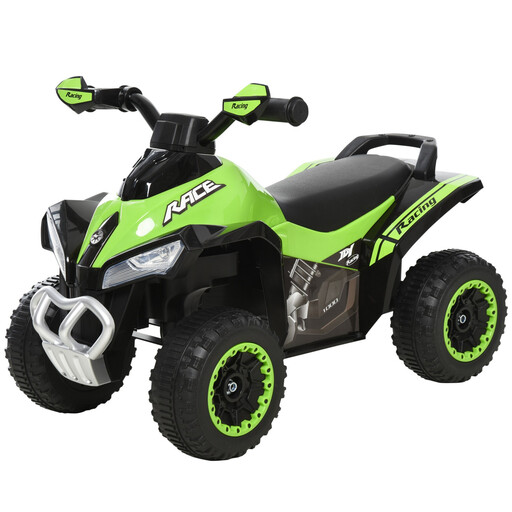
Why This Fits Their Persona: A straightforward starting point for toddlers who are learning to move and steer, without battery charging or motor maintenance. Its compact dimensions can suit indoor areas and gardens with suitable flat surfaces.
The non-electric foot-to-floor design avoids misleading battery run-time expectations. It is listed for 18–36 months with a 20kg maximum load.
Foot-powered movement; four large tyres; built-in music and working lights; storage beneath the seat.
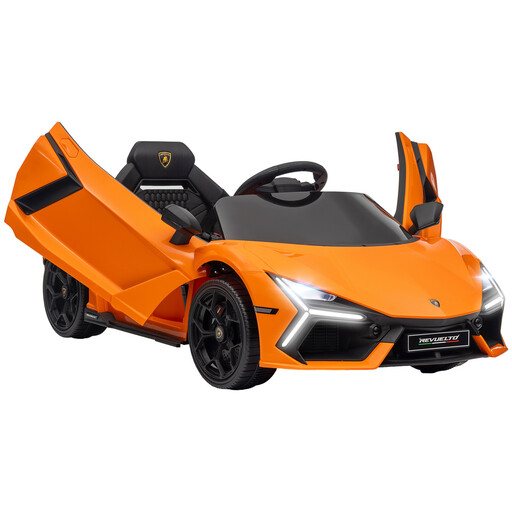
Why This Fits Their Persona: Suitable for gift buyers prioritising a detailed vehicle design and interactive functions, provided they have adequate storage and a clear, flat riding area.
It lists slow-start operation, adult remote control and a safety belt. Buyers should note that the supplied information contains differing load and age references, so the product documentation should be checked before use.
12V battery; 3–5km/h stated speed; LED lights, horn, music and remote control; dimensions of 105 x 60 x 40cm.
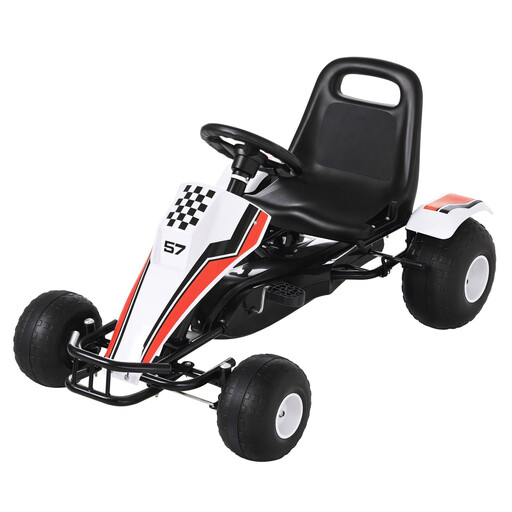
Why This Fits Their Persona: A practical choice for children who want active outdoor play without batteries. It requires more space, making it suitable for a garden, driveway or quiet private area rather than an indoor room with a small footprint.
It avoids battery limitations and decorative-only functions by providing pedal drive, a hand brake, steering and a gear lever.
Steel frame with plastic parts; adjustable seat; four wheels; listed for ages 3–6 with a 35kg maximum load.
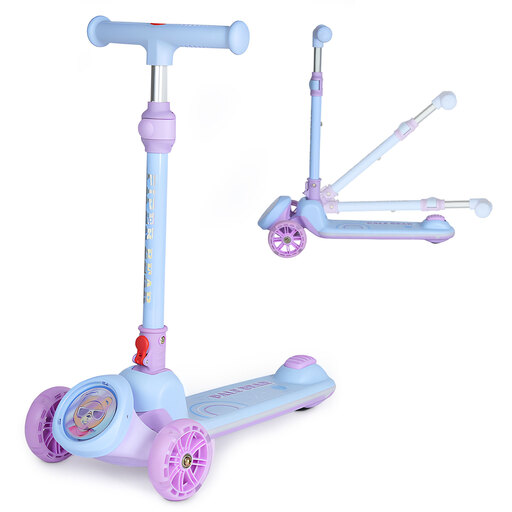
Why This Fits Their Persona: A more portable option for families seeking active play that can move between indoor spaces and suitable outdoor surfaces. The listed age range is 3–10 years.
The adjustable handlebar helps accommodate growth, while the three-wheel layout and lean-to-steer design give buyers clear information beyond appearance.
Widened anti-slip deck; adjustable height; flashing wheels; suitable for children aged 3–10 according to the listing.
We have compiled a complete, real-time list of products that fully meet these strict selection criteria and UK safety regulations.
Before the first ride:
Electric models use rechargeable batteries, so the direct electricity cost is generally modest. The more important practical consideration is charging time, battery condition and replacement availability. Follow the supplied charging instructions and do not leave a damaged or leaking battery in use.
Lifespan depends on frequency of use, storage, load and surface conditions. A model used on unsuitable ground or overloaded may experience faster wear. Regularly check tyres, fasteners, steering and electrical connections, and stop using the toy if any part is damaged.
Some foot-to-floor cars, scooters and compact toys can work indoors where there is enough clear space and a suitable floor. Larger electric cars, ride-on motorbikes and electric quad bikes for kids need more room for turning and should only be used where the product guidance permits it. Always protect furniture, walls and flooring from collisions.