
24/7 Customer Support

Free returns

Same-day & Next-day Delivery

Quality Guaranteed

Unlock Your Welcome Offers: FREE Delivery | Up to 80% OFF | Free 30-day JoyPlus trial
Download the APP
Watching a child’s face light up as they unwrap their first set of wheels is a priceless moment. But the journey to finding the right one can be confusing. The market for kids ride on toys is filled with flashy designs and bold claims, making it easy to choose a toy that ends up gathering dust in the garage.
As the Joybuy Product Recommendation Officer, my role is to help you navigate this landscape. Before you make a decision, let’s look at a few common pitfalls that can lead to buyer's remorse and how to avoid them.
To make a smart purchase, focus on a few core parameters that determine a toy's suitability, longevity and safety.
The motor or lack thereof is the first major decision point and it's tied directly to age and development.
A toy's construction dictates its durability and where it can be used.
Always check for safety certifications on the product page or packaging. The EN71 standard ensures the toy is mechanically safe and free from harmful chemicals, while EN62115 specifically applies to the safety of electric toys.
Equally important is protective gear. No matter the toy, a properly fitted kids bike helmet is essential. It's the single most important accessory you can buy.
To help you match a product to your child's needs, here are a few recommendations based on different user profiles.
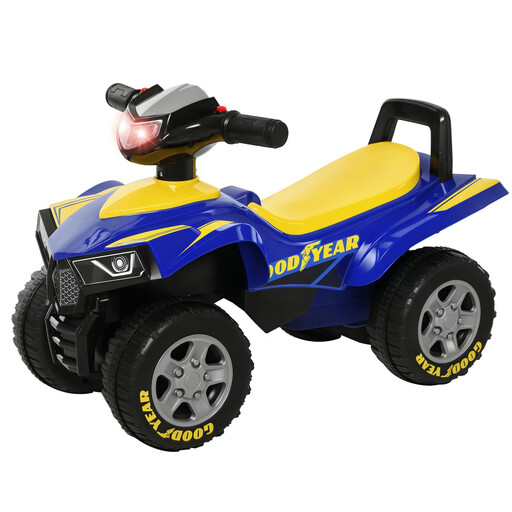
Why This Fits Their Persona: Perfect for toddlers just finding their feet. This foot-to-floor ride-on allows them to be in complete control of their movement, building confidence and motor skills without the intimidation of pedals or a motor.
It completely avoids the power/terrain mismatch. As a manual toy, it works wherever a toddler can walk, encouraging them to move and explore at their own pace without frustration.
Features an anti-tipping device at the back for added stability. It also includes under-seat storage, a fun horn and lights for a more engaging experience.
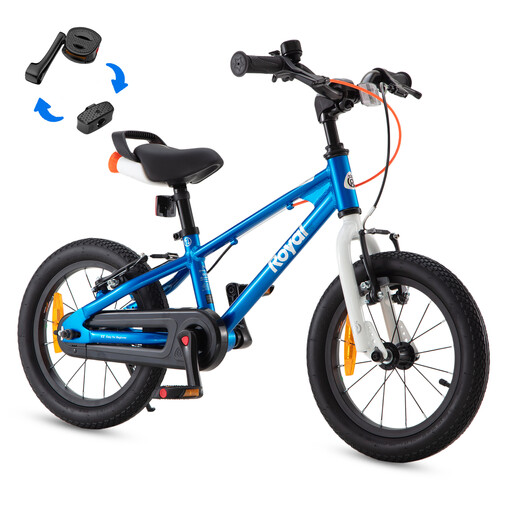
Why This Fits Their Persona: For children aged 4-7 who are ready for their first proper pedal bike. The lightweight aluminium frame makes it easy to control, and the dual hand brakes introduce them to features found on adult childrens bikes.
This bike genuinely grows with a child's skills. Its 2-in-1 design allows it to be used as a balance bike first, with a quick-release system to add pedals later without tools. This is a true transitional design.
The premium aluminium alloy frame is very light (7.8 kg), making it less tiring for a child to ride and easier for parents to carry. The saddle and handlebars are also adjustable for height.
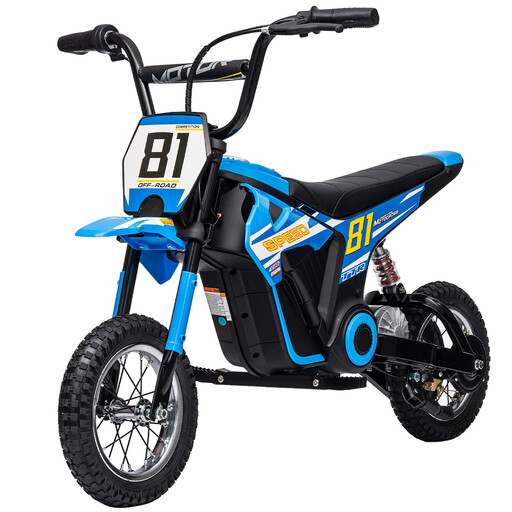
Why This Fits Their Persona: For pre-teens (8-12 years) seeking genuine adventure. This isn't a simple toy; it's a proper electric dirt bike with a 250W motor, multiple speed settings and a design that mimics a real motocross bike.
It solves the terrain mismatch with large 12" inflatable tyres and rear spring suspension, allowing it to handle grass, gravel and bumpy paths that would stop a basic ride-on.
Features three adjustable speeds (6-16km/h) to match skill level. The twist-grip throttle provides a realistic riding feel, and the dual 12V batteries offer up to 40 minutes of run time.
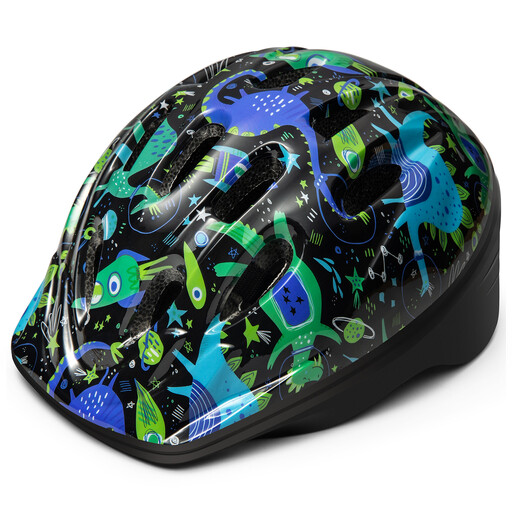
Why This Fits Their Persona: For any parent, grandparent or gift-giver who understands that safety is the top priority. This helmet is a crucial accessory for any wheeled toy, from a balance bike to a scooter or electric motorbike.
It directly addresses the most dangerous oversight: forgetting safety gear. This helmet is built with a reinforced ABS shell and shock-absorbing EPS core, complying with U.S. CPSC safety standards.
Includes two removable liners of different thicknesses to ensure a snug, comfortable fit as a child grows. The adjustable dial and chin strap provide a secure fit for multi-sport use.
We have compiled a complete, real-time list of products that fully satisfy these strict selection criteria and UK safety regulations.
Run time varies depending on the battery size (e.g., 6V, 12V, 24V), the child's weight and the terrain. On average, you can expect between 40 to 60 minutes of continuous use from a full charge. A 6V battery may offer slightly less, while a dual-battery 24V system can offer more. Always check the product specifications for an estimated run time.
A correctly sized and fastened kids bike helmet is the most critical piece of safety equipment and should be worn every time. For faster models like an electric dirt bike or for children learning to ride a pedal bike, consider adding knee pads and elbow pads for extra protection against scrapes and falls.
No. In the UK, powered ride-on toys, including kids electric cars and motorbikes, are not legal for use on public roads, pavements or cycle lanes. They should only be used on private property with the landowner's permission, such as in your garden or driveway.