Joybuy Insights

Top Kids’ Ride-On Toys in the UK: Buying Guide

Choosing the right ride-on toy for a child can feel like a significant decision. You want something that is not only fun and engaging but also safe, durable and suitable for their developmental stage. With so many options available, from scooters to balance bikes, it can be challenging to determine which will provide the most value and enjoyment.

This guide is designed to help you navigate the choices. We will outline key features to consider when buying kids ride on toys and present a selection of recommended models that cater to different ages and skill levels, helping you find a toy that will support your child's active play for years to come.

Choosing the Right Ride-On Toy: What to Look For

Before diving into specific products, it helps to understand the key factors that separate a good choice from a great one. Keeping these points in mind will ensure you select a toy that is both safe and practical.

1. Safety and Build Quality

When it comes to children's products, safety is non-negotiable. In the UK, all toys must meet specific safety standards and should carry a CE or UKCA mark. Look for sturdy materials, a low-to-the-ground deck for stability and reliable braking systems. For scooters, non-slip handlebars and decks are important features. For bikes, ensure the frame is robust yet lightweight enough for a child to manage.

2. Adjustability for Growing Children

Children grow quickly, and a toy that fits them perfectly today might be too small in six months. An adjustable kids scooter with multiple height settings for the handlebars or a toddler balance bike with an adjustable seat, offers much better long-term value. This adaptability allows the toy to grow with your child, ensuring a comfortable and safe riding position over several years. Some models even transform, such as a scooter with seat that can be removed as the child gains confidence.

3. Skill Development: Scooter vs. Balance Bike

Different ride-on toys help develop different skills.

  • Scooters: A 3 wheel scooter provides excellent stability for toddlers and young children just starting. The lean to steer scooter design is particularly intuitive, teaching children coordination and balance by allowing them to steer by shifting their body weight.
  • Balance Bikes: A no pedal training bike is specifically designed to teach children the core skill of balancing on two wheels. By removing the pedals, children can focus solely on balance and steering, often making the transition to a traditional pedal bike much smoother and faster than using stabilisers.

Top Kids Ride-On Toy Picks

Based on features that prioritise safety, adaptability and developmental fun, here are some standout options for 2026.
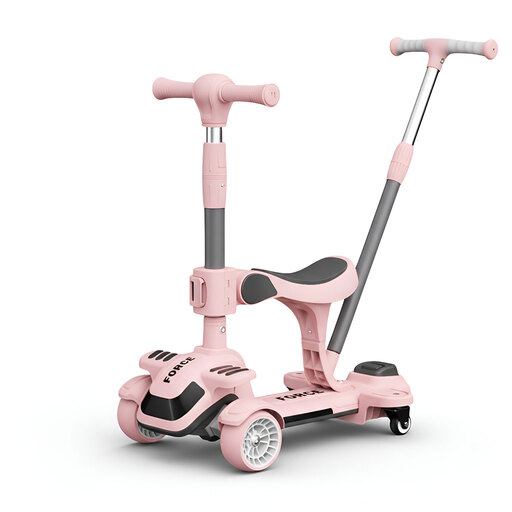
Neuleb 4 Wheel Scooter for Kids Ages 3-8 Years

Neuleb 4 Wheel Scooter for Kids Ages 3-8 Years

  • Why It Stands Out: This model combines the stability of four wheels with a versatile swivel seat, making it an excellent entry-level option. The seat allows younger children to sit and push themselves along and it can be folded away or removed entirely as they grow and are ready to stand and scoot. Its impressive max load capacity of 100KG speaks to its robust construction.
  • Pros:
    • Four-wheel design offers maximum stability for beginners.
    • Includes a foldable scooter with seat for younger riders.
    • Adjustable kids scooter handlebars to accommodate growth.
    • Intuitive lean to steer mechanism helps develop coordination.
  • Who is it for? Ideal for toddlers and young children (ages 3-5) who are just beginning their ride-on toy journey. The seated option provides a gentle introduction before they progress to standing.

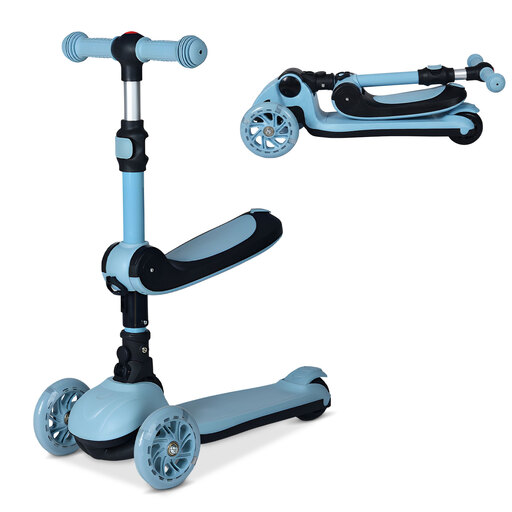
Neuleb 3 Wheel Scooter for Kids Ages 3-10 Years

Neuleb 3 Wheel Scooter for Kids Ages 3-10 Years

  • Why It Stands Out: This 3 wheel scooter adds an element of excitement with its motion-activated flashing wheels and a light-up deck. It retains the stability and safety features of a three-wheel design while encouraging active play with its engaging lights. The wide age range (3-10 years) is supported by its durable build and adjustable features.
  • Pros:
    • Flashing wheels and light-up deck add visual appeal and fun.
    • Stable three-wheel platform with a lean to steer system.
    • Two adjustable height settings for the handlebars.
    • Also includes a swivel seat, offering two ways to ride.
  • Who is it for? A great choice for children aged 3 and up who would be motivated by the fun, light-up features. Its versatility makes it suitable for families looking for a long-lasting kids scooter.

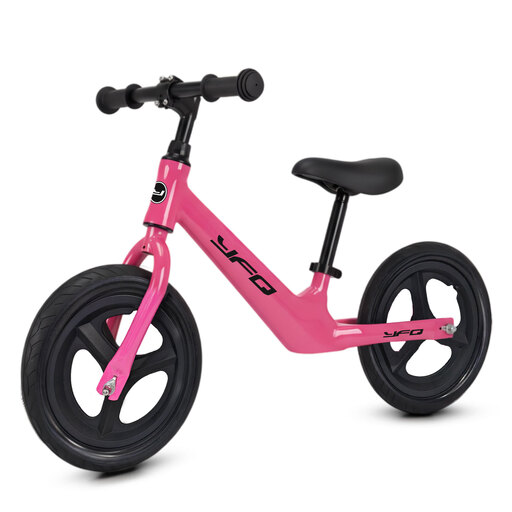
Neuleb YFQ Toddler Balance Bike

Neuleb YFQ Toddler Balance Bike

  • Why It Stands Out: As a dedicated no pedal training bike, this model is focused on one thing: teaching balance. Its lightweight frame makes it easy for a young child to handle and manoeuvre. The air-free tyres are a practical feature for parents, as they require no maintenance and cannot be punctured.
  • Pros:
    • Lightweight design is easy for toddlers to control.
    • Adjustable seat allows the bike to grow with the child.
    • Puncture-proof, air-free tyres for hassle-free use.
    • Includes a kickstand for easy parking.
  • Who is it for? Specifically for children aged 3 to 6 who are ready to learn the fundamentals of balancing on two wheels. It is an excellent precursor to a traditional pedal bike.

Looking for More Seated Options?

A scooter with seat is a popular category for parents of toddlers, as it provides a secure way for the youngest riders to join in on the fun. These models offer a gentle transition from ride-on toys they can sit on to those they stand on.

If you are looking for more choices in this specific category, you can explore a wider range of models.

Explore More Scooters with Seats

Frequently Asked Questions

What age is suitable for a 3 wheel scooter?

A 3 wheel scooter is generally suitable for children from 2 to 5 years old. The added stability of the third wheel makes it an ideal first scooter. Many models, like those featured above, include adjustable handlebars and seats to accommodate children as they grow, extending the usable age range.

Is a balance bike better than a bike with stabilisers?

A toddler balance bike and a bike with stabilisers teach different skills. A balance bike excels at teaching the core skills of balance and steering, which can make the final transition to a two-wheeled pedal bike much quicker. Stabilisers, on the other hand, teach a child how to pedal but do not help them learn to balance independently. Many find the balance bike approach more effective in the long run.

What safety gear should my child wear with kids ride on toys?

Regardless of the toy, safety gear is essential. A properly fitted helmet that meets current safety standards (BS EN 1078) is the most critical piece of equipment. For children who are just learning or are more adventurous, knee and elbow pads are also highly recommended to protect against scrapes and falls.