
24/7 Customer Support

Free returns

Same-day & Next-day Delivery

Quality Guaranteed

Unlock Your Welcome Offers: FREE Delivery | Up to 80% OFF | Free 30-day JoyPlus trial
Download the APP
As a Joybuy Product Recommendation Officer, my role is to help you navigate the crowded market of children's toys and equipment. When it comes to buying a kids scooter, the sheer number of options can be overwhelming and it's easy to fall for marketing claims that don't hold up in the real world. This guide will help you sidestep common purchasing mistakes and focus on the features that truly matter for a safe and enjoyable ride on UK pavements and in parks.
Many scooters look great on the box but fail to deliver. Here are three frequent issues that lead to disappointment and wasted money:
To ensure you get a scooter that is fit for purpose, focus on these three non-negotiable technical aspects.
The wheels are arguably the most critical component. Don't just look at the colour; check the material, size and bearings.
The frame's material and construction dictate its strength, weight and longevity.
The handlebar setup should match the scooter's intended use.
Based on these practical criteria, we've matched a few standout models to different user needs.
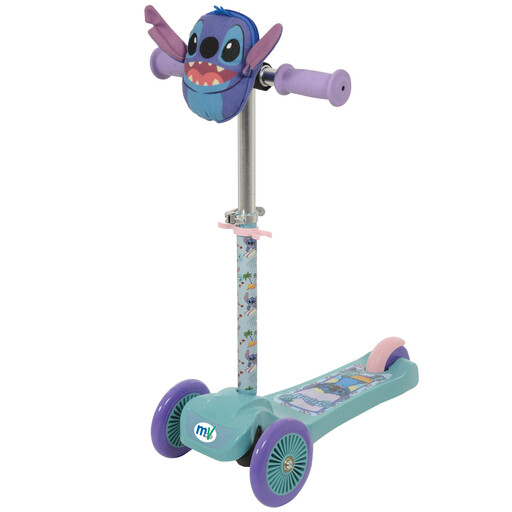
Why This Fits Their Persona: This three-wheeled scooter is designed to help young children build confidence. The intuitive 'tilt n turn' steering action helps them learn balance in a way that feels natural, making it an ideal first step before moving to a 2 wheel scooter.
It's purpose-built for beginners, avoiding the "grows with you" trap by focusing on stability with its three-wheel design rather than trying to be an all-in-one solution. The motion-activated light-up wheels add fun and visibility.
Features responsive tilt steering to develop coordination and a wide, anti-slip footplate for stability. The removable handlebar allows for compact storage.
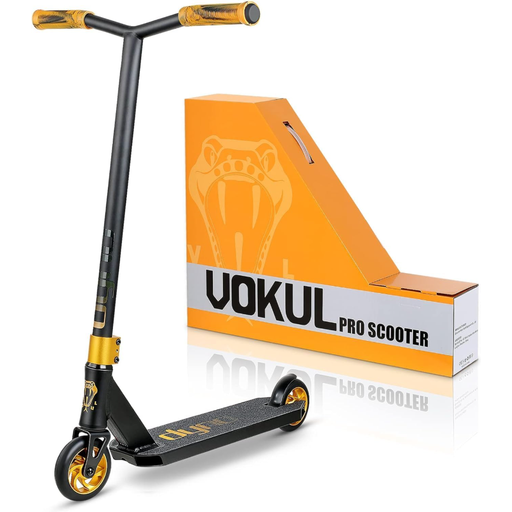
Why This Fits Their Persona: For kids and teens serious about learning tricks, this scooter provides the necessary components for performance and durability. It's a proper entry into the world of freestyle scootering, suitable for the skate park.
This model sidesteps the "stunt-ready sticker" trap by using appropriate materials: a T-6061 aluminium frame, a one-piece fork and solid 110mm alloy wheels. It's genuinely built to withstand the rigours of stunt riding.
Features high-performance ABEC-9 bearings for a fast, smooth glide and a strong 3-bolt clamp to secure the handlebar, providing the stability needed for tricks like barspins and tailwhips.
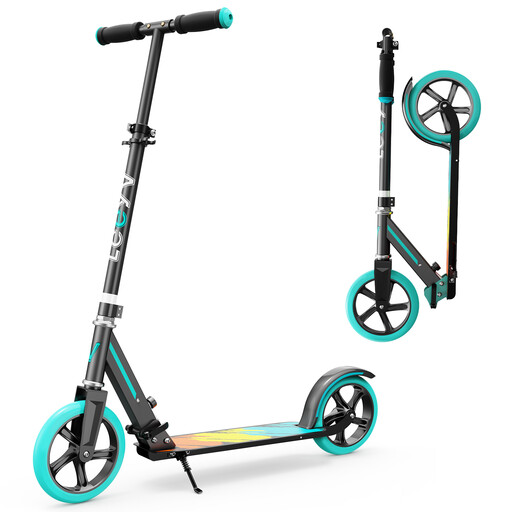
Why This Fits Their Persona: This is an excellent choice for older children, teens or even adults looking for a practical scooter for school runs, park trips or short commutes. The combination of large wheels and a foldable frame makes it both comfortable and convenient.
It directly counters the "wheel size deception." The large 205mm PU wheels are specifically designed to provide a smooth ride on varied surfaces, easily gliding over the cracks and bumps that would stop a small-wheeled scooter in its tracks.
Its key benefits are practicality and comfort. The foldable scooter design makes it easy to store and carry, while the adjustable handlebar accommodates a wide range of rider heights, from older kids to adults.
We have compiled a complete, real-time list of products that fully satisfy these strict selection criteria and UK safety regulations.
1. How do I know what size scooter is right for my child? The most important measurement is the handlebar height. As a general rule, the handlebars should sit somewhere between the child's waist and belly button when they are standing on the scooter's deck. This position allows for comfortable steering and control without them having to hunch over or reach up too high. Always check the manufacturer's recommended height range for any scooter with an adjustable handlebar.
2. Are big wheel scooters safer for children? For general riding on pavements and paths, a big wheel scooter can be a safer choice. The larger diameter wheels roll over cracks, pebbles and uneven ground more easily, reducing the chance of the scooter stopping abruptly and causing a fall. However, they can also achieve higher speeds, so it's crucial that the scooter is equipped with a reliable braking system and that the rider always wears a helmet.
3. What is the main difference between a stunt scooter and a regular push scooter? The key differences lie in their construction and purpose. A stunt scooter has a fixed, non-folding frame, a one-piece deck and a reinforced T-bar handlebar for maximum durability when performing tricks. A regular push scooter for children often prioritises convenience, featuring a lighter frame, an adjustable or foldable scooter mechanism and is designed for casual riding, not for the high-impact environment of a skate park.