
24/7 Customer Support

Free returns

Same-day & Next-day Delivery

Quality Guaranteed

Unlock Your Welcome Offers: FREE Delivery | Up to 80% OFF | Free 30-day JoyPlus trial
Download the APP
Choosing a scooter for your child seems simple, but the market is filled with options that can lead to disappointment. As a Joybuy Product Recommendation Officer, my role is to help you see past the marketing clutter and focus on what truly matters for a safe and enjoyable ride. Many parents find themselves with a scooter that's either quickly outgrown, frustrating to ride or simply not suited for its intended purpose. Let's look at how to avoid these common issues.
A frequent pitfall is choosing a scooter with the wrong wheels. Hard plastic wheels, often found on cheaper models, offer a jarring ride on typical British pavements and can wear down in a matter of months. Another common mistake is buying a scooter that doesn't match the child's age or intended use. A toddler scooter needs to be stable and low to the ground, whereas a teen hoping to visit the skatepark requires a durable stunt scooter built to handle impacts. Finally, many overlook the importance of an adjustable handlebar, resulting in a scooter that becomes uncomfortable and unsafe as the child grows.
To make a confident choice, it helps to understand a few core specifications. Focusing on these will ensure you get a scooter that lasts longer and provides a better experience.
The wheels are arguably the most critical component of any scooter. They determine the smoothness of the ride, the speed and the overall durability.
trick scooter, while larger wheels (120mm+) provide a smoother, more stable ride over uneven surfaces.freestyle scooter or models for older children.The scooter's frame dictates its weight and strength, while the deck is the platform your child stands on.
foldable scooter that needs to be carried. Steel is heavier but exceptionally durable, often used for rugged kick scooters or some stunt models.scooter with adjustable height is a practical choice that grows with your child. Ensure the locking mechanism for the handlebar is secure and easy to use, allowing you to set a comfortable height that promotes good posture.Not all scooters are created equal. The main types are designed for very different purposes.
3 wheel scooter provides excellent stability, helping little ones build confidence and learn the "lean-to-steer" motion which develops balance and coordination.trick scooter or freestyle scooter, these are built for the skatepark. They feature a fixed (non-adjustable and non-folding) one-piece handlebar for maximum strength, a robust deck and smaller, harder wheels designed to withstand jumps and tricks.Based on these practical criteria, here are a few recommendations matched to different types of young riders.
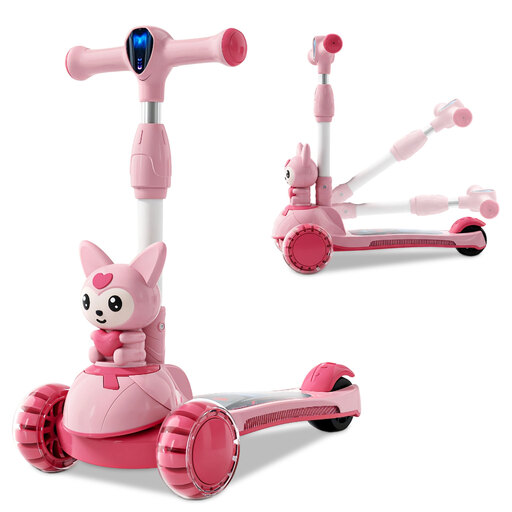
Why This Fits Their Persona: Ideal for a young child's first scooter. The three-wheel design and wide, anti-slip deck provide the stability needed to build confidence, while the lean-to-steer system helps develop balance skills safely.
This model directly avoids the "outgrown too quickly" pitfall with its adjustable handlebar, accommodating children from ages 3 to 10. It is also the correct type for a beginner, prioritising stability over speed.
Features light-up flashing wheels for added fun and visibility. The wide deck and adjustable height ensure a comfortable and secure ride as your child grows.
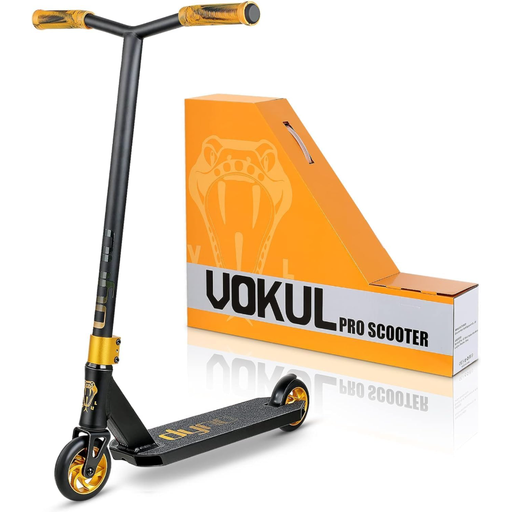
Why This Fits Their Persona: Built for older kids (8+) and teens who are serious about learning tricks. This is a proper freestyle scooter designed to withstand the rigours of the skatepark, from barspins to tailwhips.
This avoids the "wrong type" pitfall. It is not a commuter scooter; it's a purpose-built stunt model with a reinforced T-6061 aluminium frame, a one-piece fork and solid 110mm alloy wheels that won't buckle under pressure.
Features high-performance ABEC-9 bearings for a fast, smooth glide. The assembly is straightforward, requiring only the tightening of a 3-bolt clamp to get riding.
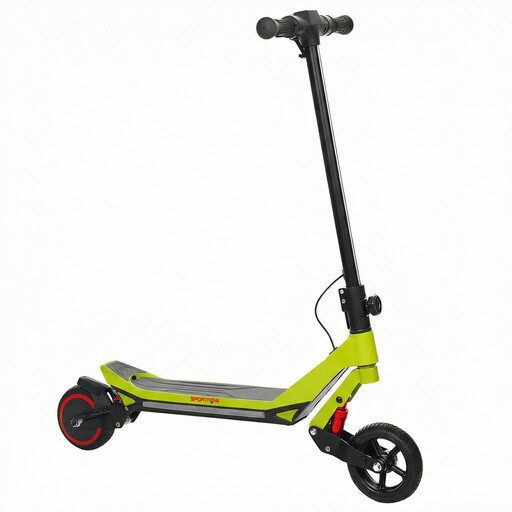
Why This Fits Their Persona: For kids aged 6-14 who want the thrill of an electric scooter for use in the garden or on other private land. It balances fun with important safety controls, offering a powered but manageable experience.
This model includes a kick-to-start motor, which prevents sudden lurches from a standstill. This thoughtful safety feature addresses a major concern for parents considering an electric scooter for kids.
Features front and rear spring suspension for a much smoother ride on bumpy surfaces. It is also a foldable scooter, making it easy to store and transport.
We have compiled a complete, real-time list of products that fully satisfy these strict selection criteria and UK safety regulations.
1. What safety gear is essential for a child riding a scooter? Regardless of the scooter type or your child's confidence level, they should always wear a correctly fitted helmet. Knee pads and elbow pads are also highly recommended to protect against scrapes and falls, especially for beginners or those attempting tricks.
2. How do I know what size scooter to get for my child? Always check the manufacturer's recommended age and height range first. The most practical approach is to choose a scooter with adjustable height. As a general rule, the handlebars should be roughly at waist or hip level when the child is standing on the deck. This allows for a comfortable, controlled posture without hunching over or reaching up.
3. Are electric scooters for kids legal to use on UK pavements? No. This is a critical point of UK law. It is illegal to ride any privately owned electric scooter for kids on public roads, pavements, cycle paths or in public parks. They can only be used on private land with the landowner's explicit permission. Always ensure your child understands and follows these rules.