
24/7 Customer Support

Free returns

Same-day & Next-day Delivery

Quality Guaranteed

Unlock Your Welcome Offers: FREE Delivery | Up to 80% OFF | Free 30-day JoyPlus trial
Download the APP
Finding an engaging, screen-free activity for a child can feel like a quest. A kids sewing kit seems like a perfect solution—it promises creativity, develops fine motor skills and results in a tangible object they can be proud of. Yet, the reality can often be a box of frustration. Many parents find themselves with a kit that falls short, turning a fun afternoon into a disappointing experience.
As the Joybuy Product Recommendation Officer, my role is to help you navigate the market and avoid common purchasing mistakes. Before you buy, be aware of these frequent pitfalls:
To ensure you are buying a product that will delight rather than disappoint, focus on a few core parameters. A good beginner sewing kit for kids should meet these practical standards.
The first priority is safety. In the UK, all toys must meet specific safety standards, so look for items compliant with BS EN 71. For sewing kits, this is particularly relevant to the needles.
A true learn to sew kit for kids should contain everything needed to finish the projects in the box. Before purchasing, check the contents list for:
The most engaging kits are those that offer more than one activity. Look for a children's sewing set that includes several small projects. This allows a child to start with something simple and move on to more complex creations as their confidence grows. For example, a kit might start with a simple felt shape and progress to a small stuffed animal or a handbag. This variety keeps them interested and provides a real sense of accomplishment. Brands like Galt creative cases often package multiple projects together in a reusable carry case, which adds long-term value.
Instead of a generic list, we have matched some popular craft kits for 7 year olds and up to specific creative personalities. This helps ensure the gift is a perfect fit for the child's interests.
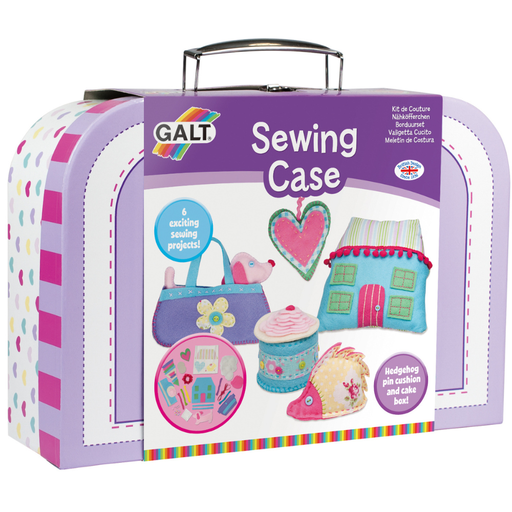
Why This Fits Their Persona: This is ideal for a child aged 7+ who has shown a specific interest in learning to sew. It provides a structured introduction to the craft with fun, usable outcomes like a cushion and a handbag, making it a proper first sewing experience.
It directly counters the "incomplete kit" trap by providing all materials for five distinct projects, including fabric, felt, thread and stuffing, all neatly organised in a reusable suitcase.
Includes five varied projects that build skills progressively. The stylish carry case provides excellent storage and value beyond the initial projects.
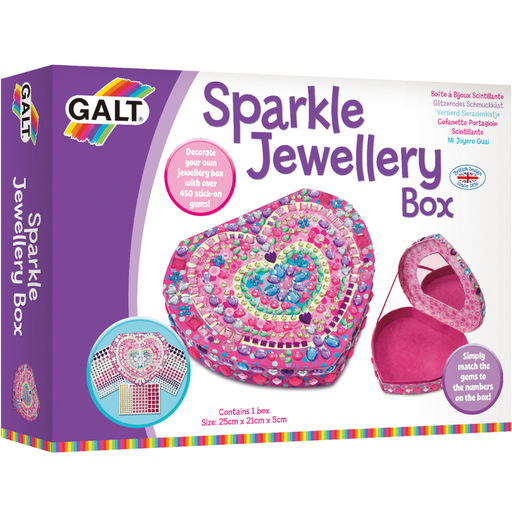
Why This Fits Their Persona: Perfect for a child aged 6+ who loves detailed, focused work. If they enjoy sticker-by-number or diamond painting, this kit offers a similar satisfying process of decorating a heart-shaped box with over 450 stick-on gems.
This kit avoids the "overly complex" trap with its simple gem-by-number system. There is no glue or mess, just a clear, guided activity that results in a beautiful, functional item.
The end product is a velvet-lined jewellery box with a mirror, giving it practical use long after the crafting is done. It helps develop concentration and fine motor skills.
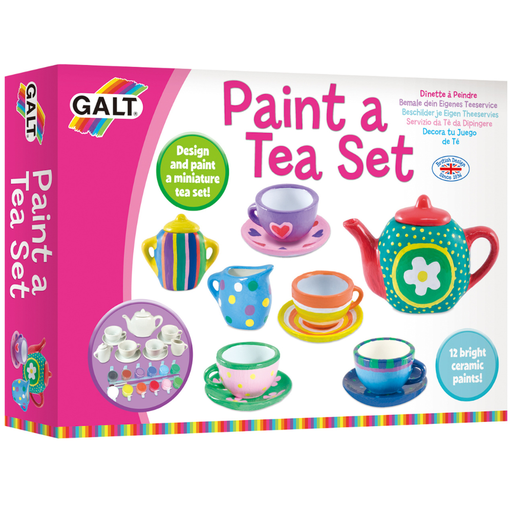
Why This Fits Their Persona: An excellent choice for a creative child aged 5+ who enjoys painting and imaginative play. They get to decorate their own miniature ceramic tea set, which then becomes a prop for countless tea parties.
This kit avoids the "flimsy materials" pitfall by providing a quality white ceramic tea set. The 12 ceramic paints are vibrant and the outcome is a durable toy, not a disposable craft.
It combines two activities in one: a painting craft and imaginative role-play. This extends the value and enjoyment of the kit far beyond the initial crafting session.
We have compiled a complete, real-time list of products that fully satisfy these strict selection criteria and UK safety regulations.
Most beginner sewing kits are designed for children aged 6 or 7 and up. For this younger age group, look for kits with pre-punched holes and plastic safety needles. For children aged 8 and older who can be supervised more closely, kits with real needles can provide a more authentic and skill-building experience. Always check the manufacturer's age recommendation on the packaging.
It depends on the kit's target age. Kits for younger children (typically under 8) almost always include plastic needles with blunt tips that are safe for independent use. Kits designed for older children may contain real metal needles, which are sharp and require adult supervision. The product description and packaging should always specify the type of needle included.
The best way to help is to create a calm, encouraging environment. Start by reading the instructions together and identifying all the different components in the kit. Demonstrate the first few stitches yourself, then let them take over. It is important to praise their effort rather than focusing on perfection. The goal is to build confidence and have fun, not to produce a flawless masterpiece on the first try.