
24/7 Customer Support

Free returns

Same-day & Next-day Delivery

Quality Guaranteed

Unlock Your Welcome Offers: FREE Delivery | Up to 80% OFF | Free 30-day JoyPlus trial
Download the APP
A family ski trip or a simple snow day can create lasting memories, but nothing cuts the fun short faster than cold, wet hands. Finding the right pair of kids ski gloves can feel like a challenge. You need something that not only keeps them warm and dry but also stands up to the rigours of snowball fights, skiing and snowman building.
As the Joybuy Product Recommendation Officer, my role is to help you navigate the options. This guide offers practical advice on what to look for and highlights a few carefully selected products to help you make a confident choice, ensuring your little ones stay comfortable and protected on the slopes and beyond.
Before you add a pair to your basket, consider a few key features. Getting these right will make all the difference between a happy day outdoors and an early retreat inside.
There is a significant difference between "water-resistant" and "waterproof". A water-resistant surface will repel light moisture, but it won't hold up to prolonged contact with wet snow. For genuine protection, look for waterproof ski gloves for kids that feature an internal waterproof membrane. A TPU (Thermoplastic Polyurethane) insert is a common and effective feature that acts as a barrier, preventing water from seeping through to the insulation and your child's hands.
The choice between kids ski mittens and gloves often comes down to age and activity.
The type and amount of insulation determine how warm the gloves will be. Look for thermal ski gloves kids will find comfortable, with materials like thickening cotton or advanced synthetic insulations such as 3M Thinsulate, which provides warmth without excessive bulk.
Equally important is the fit. A loose glove will let in snow and cold air. Features like an adjustable wrist buckle and an extended cuff that can be tucked under a jacket sleeve are crucial for creating a secure seal against the elements.
Based on features that prioritise warmth, waterproofing and durability, here are our recommendations for the winter season.
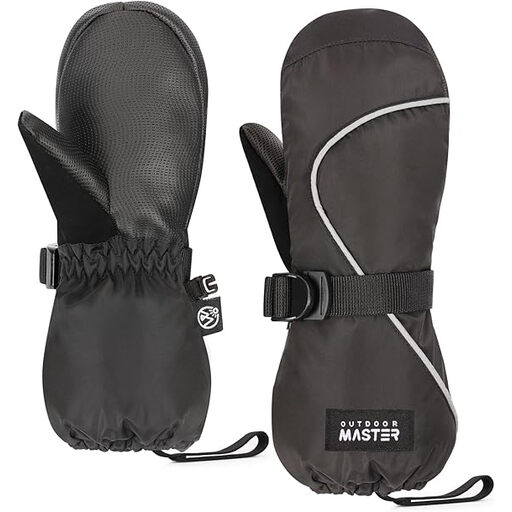
Why It Stands Out: These mittens are built for serious winter conditions. The combination of a water-resistant polyester shell and an internal TPU waterproof insert provides a reliable two-layer defence against wetness. The generous 120g thickening cotton lining ensures hands stay warm, even on the coldest days on the mountain.
Pros:
Who is it for? Older children (approximately 10-12 years) who need maximum warmth for skiing, snowboarding and extended outdoor play.
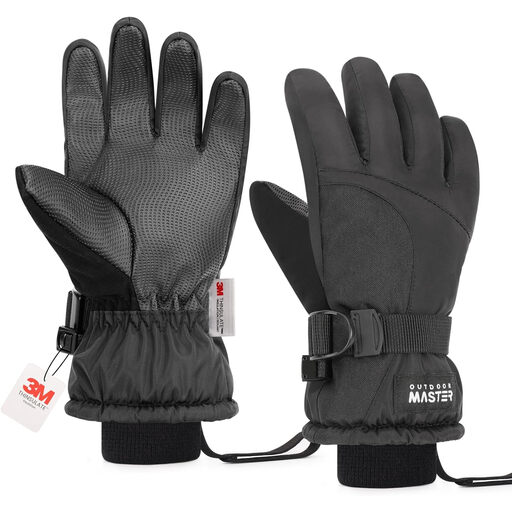
Why It Stands Out: For those who need the dexterity of a glove, this model integrates premium 3M Thinsulate C40 insulation. This material is known for providing exceptional warmth without the bulk of traditional padding, allowing for better finger movement. These are excellent all-purpose children's snow gloves.
Pros:
Who is it for? Younger children (approximately 6-7 years) who need a balance of warmth and the freedom to use their fingers for gripping poles or adjusting gear. A great option for both boys ski gloves and girls ski gloves due to its unisex design.
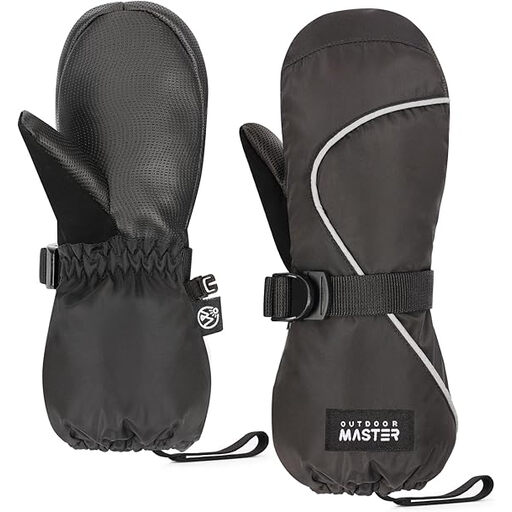
Why It Stands Out: Offering the same robust construction as the larger size, this mitten is perfectly scaled for mid-range age groups. It prioritises warmth and durability, featuring the same reliable 120g thermal cotton lining and double-layer waterproofing system to keep hands completely dry during sledding or first ski lessons.
Pros:
Who is it for? Children aged 7-9 who need dependable warmth and protection for all types of snow activities, from casual play to skiing.
While these selections cover key needs for different age groups, every child is different. If you are looking for different colours, styles or specific features, we have a broader range available.
For a wider selection, we invite you to explore our full collection of warm gloves.
1. Are mittens or gloves warmer for kids? Generally, mittens are warmer. By keeping your child's fingers together in one compartment, they share body heat, which helps to maintain warmth more effectively than gloves, where each finger is isolated.
2. How can I be sure my child's ski gloves are truly waterproof? Check the product specifications for a dedicated waterproof insert or membrane, often listed as a TPU insert. A water-resistant outer fabric is a good first line of defence, but this internal layer is what provides lasting protection against moisture getting through to the skin.
3. What is the best way to dry wet ski gloves? Avoid placing them directly on a radiator or using a hairdryer, as high heat can damage the waterproof membrane and synthetic materials. The best method is to let them air dry naturally. If the inside is very wet, you can turn them inside out (if the construction allows) or place them in a well-ventilated area until they are completely dry.