Neighbour-conscious family listeners
Parents or carers who want songs audible in the main living area without routinely turning them up towards neighbours. GOV.UK identifies loud music as a potential neighbourhood noise problem.


If an adult will start songs from a nearby phone, a compact Bluetooth speaker is a sensible starting point for an open-plan flat: it provides phone-led playback without adding a connected voice assistant. Consider a Wi-Fi and Bluetooth model if home streaming or speaker grouping matters, or a Wi-Fi voice speaker if supervised requests and parental controls justify the extra setup and privacy considerations. Whichever you choose, place it near listeners and keep the volume considerate rather than treating a higher output rating as the goal.
Parents or carers who want songs audible in the main living area without routinely turning them up towards neighbours. GOV.UK identifies loud music as a potential neighbourhood noise problem.
Households that usually choose playlists on a nearby phone or tablet and would rather move a compact Bluetooth speaker than set up voice requests.
Households considering supervised voice requests, content filtering, time limits or volume controls managed through a parent account. Amazon describes these options for Amazon Kids on Alexa; the settings need adult attention.
Choose when: An adult can play songs from a nearby phone or tablet and wants a speaker that is easy to reposition.
Trade-off: Playback relies on the source device and its Bluetooth connection; this route does not provide Sonos-style Wi-Fi grouping.
Choose when: You want both direct Bluetooth playback and home Wi-Fi options, particularly if grouping speakers may matter later. Sonos describes both modes for Roam 2.
Trade-off: Sonos says Roam 2 needs its app for Wi-Fi setup and grouping, so using those features takes more setup than Bluetooth alone.
Choose when: Supervised hands-free song requests and parent-managed controls are features the household will use. Amazon describes such controls for Amazon Kids on Alexa.
Trade-off: Wi-Fi and app setup are required for Echo Pop, while the Information Commissioner's Office notes that voice-activated speakers can process personal data.
| Concern | What to check | Who this matters to |
|---|---|---|
| Considerate playback | Look for accessible volume controls and a position near listeners, away from shared walls where practical. Try songs at your normal listening level. | I want the children to hear songs in the living area without turning them up towards neighbours; around 36% of consumers put considerate playback first. |
| Child-facing controls | If considering Alexa, check the intended device's Amazon Kids features and review the child profile, volume limit and privacy settings. | When a child can request songs by voice, I want an adult to manage what they can hear and do; child-facing controls are the main concern for around 29% of consumers. |
| Music connection | Check how your usual phone or tablet connects and, for Wi-Fi features, whether you want to use the required app. | I need songs to start easily from the device I already use, without choosing a connection I will rarely need; around 21% of consumers prioritise this simplicity. |
| Portable hardware | Check size, charging arrangements and stated battery life. For child-themed devices, read the exact model's age and small-parts warnings. | Moving the speaker closer to play or bedtime areas matters more to me than leaving it in one place; portability is the primary need for around 14% of consumers. |
A power rating does not establish how clearly children's songs will sound at a restrained level. GOV.UK identifies loud music as a potential noise-nuisance issue.
Put the speaker near the listening area and try songs and spoken vocals at the level you expect to use. Check that lowering the volume is straightforward.
Amazon describes filtering and parent controls for Amazon Kids on Alexa, but adults need to set up and manage the relevant features. The Information Commissioner's Office also identifies privacy considerations for connected devices in children's homes.
If choosing a compatible Alexa device, set up the child profile and review content, volume, microphone and privacy controls before routine use.
Age warnings, power requirements and intended uses vary. A Joybuy-listed Frozen microphone speaker, for example, requires two AA batteries and recommends adult supervision.
Check the exact device's audio input, power source, age guidance and small-parts warning before choosing it for regular songs.
A device using replaceable AA batteries will need replacements during continued use.
GOV.UK advises that batteries and electrical products should be taken to an appropriate recycling collection route rather than placed in household rubbish.
Follow your local electrical-waste and battery collection instructions when the speaker reaches the end of its life.
JBL Go 4 illustrates the compact, Bluetooth-first route for adults playing songs from a nearby device; its specifications do not describe every JBL speaker.
Sonos Roam 2 is an example for households considering both portable Bluetooth use and Wi-Fi streaming at home.
Echo devices are relevant when supervised voice requests and account-managed child controls are the reason to choose a connected speaker.
These speakers offer phone-led Bluetooth playback for children's songs; the Edifier D32 also lists AirPlay 2. Compare their placement, controls and connection options against how you will listen in your flat.
 No image available
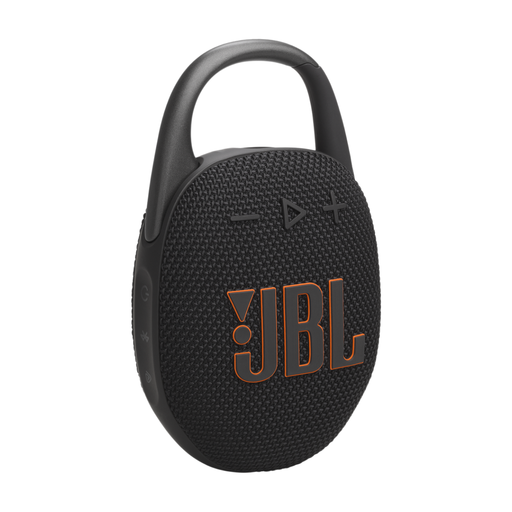
Consider this portable speaker if an adult will start songs over Bluetooth and move the speaker closer to listeners. Its integrated carabiner is part of this variant; check how songs sound and how easily you can adjust volume at the level you intend to use. Confirm that you have the charging equipment you need.
 No image available
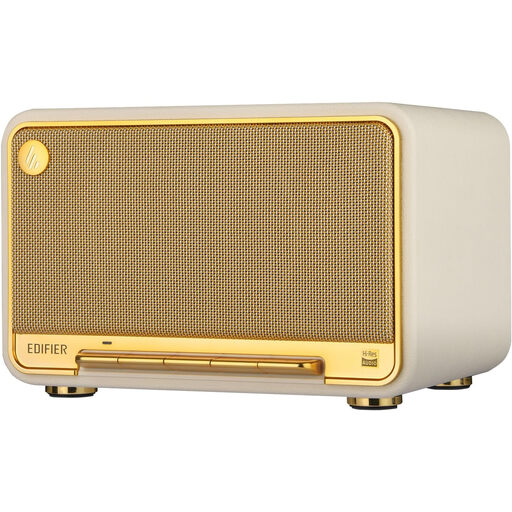
Consider the tabletop D32 if Bluetooth 5.3, AirPlay 2 or its AUX input fits the way you play songs. Its title also specifies app control and 60 W RMS; that rating does not tell you how it will sound at a considerate volume. Check the space available for placement and try it at your intended listening level.
 No image available
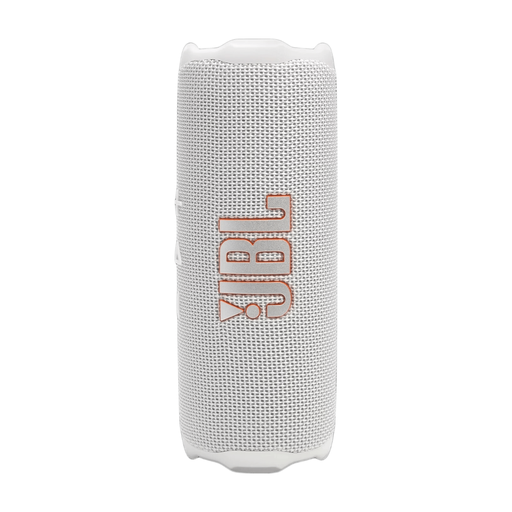
The Flip 7 suits adult-selected songs played over Bluetooth when you want to reposition a portable speaker. Check vocal clarity and the volume-adjustment range at your usual level, rather than judging it by output alone. Confirm that you have a suitable USB-C charging cable.
 No image available
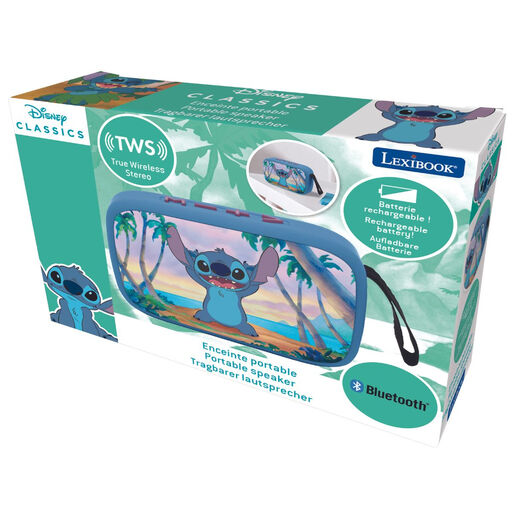
This character-themed portable speaker offers Bluetooth music playback. Its product information recommends use from age 6 with parental guidance, so check suitability for the child who may handle it. Also check whether its controls and sound work for songs at your intended volume.
 No image available
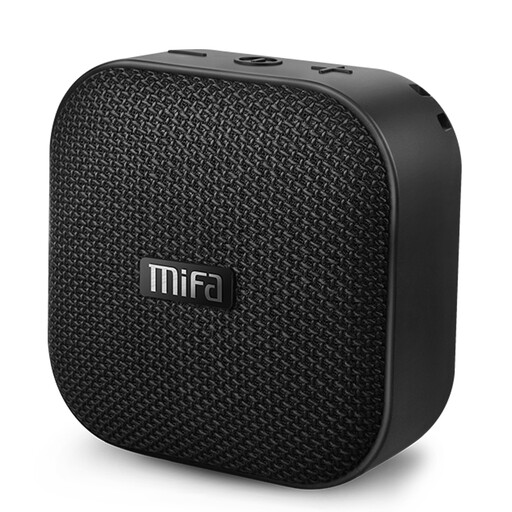
The compact A1 is a phone-led Bluetooth option when you want to move music between areas of the flat. Check its battery run time, volume controls and song clarity against your intended use before choosing it; its portable format alone cannot establish those qualities.
Not necessarily: start by placing the speaker nearer the listening area and checking songs at a comfortable level. A higher output rating does not establish better low-volume clarity, while GOV.UK identifies loud music as a potential neighbourhood noise issue.
A smart speaker is worth considering when supervised voice requests and parent-managed controls are features you will use. Amazon says Amazon Kids on Alexa can filter explicit songs, block shopping and provide time and volume controls; if an adult normally starts playlists from a nearby phone, Bluetooth playback avoids that voice-led setup.
Review the device's microphone, voice-history and child-profile settings during setup. The Information Commissioner's Office notes that voice-activated speakers can process personal data, making those choices particularly relevant in a child's living space.
Not necessarily: GOV.UK says CE marking continues to be recognised in Great Britain for relevant products under the applicable rules. Check the requirements for the particular product and where it is supplied; GOV.UK states that Northern Ireland follows different processes.
Take it to an appropriate electrical-waste collection route rather than putting it in household rubbish. GOV.UK advises separate collection for electrical products and batteries; follow local instructions for any removable battery.