Parents planning a quick tea time
Ready-to-eat pancakes can fit a meal that needs little preparation. Compare the number of servings with how soon the pack must be used after opening.


For a quick tea time, ready-to-eat pancakes suit the occasion when their ingredients meet the child’s needs; check the serving size, sugars and storage instructions before serving. Higher-protein and gluten-free pancakes address different requirements, but neither label settles every allergen question. If “best of both” means a white-and-brown blend, compare the exact products and ingredients before choosing between them.
Ready-to-eat pancakes can fit a meal that needs little preparation. Compare the number of servings with how soon the pack must be used after opening.
Check the current pack against the child’s specific requirements. Wheat, milk and egg appear in some pancakes, while a gluten-free pancake can still contain egg. For school food, discuss the child’s arrangements with the school.
Check what the protein figure means per pancake and whether that serving fits the planned meal. A higher-protein label does not replace an ingredient and allergen check.
Start with the format that fits tea time, then compare the current packs on allergens, portions and storage.
Consider when: you want a pancake that can be served without pan-frying.
Bear in mind: convenience does not establish its sugar content or allergen suitability; check the individual pack.
Consider when: protein per pancake is a feature you intend to compare as part of the meal.
Bear in mind: the cited Waitrose higher-protein pancakes contain wheat, milk and egg ingredients.
Consider when: the child needs a specifically labelled gluten-free product.
Bear in mind: gluten-free does not mean free from other allergens; the cited Genius pancakes contain egg.
| Priority | What to check | Your needs |
|---|---|---|
| Allergens | Read the current ingredient and allergen statements for every ingredient the child needs to avoid. A gluten-free claim alone does not establish that a pancake is egg-free: Waitrose & Partners lists egg in its cited Genius gluten-free pancakes. | I need a pancake that meets this child’s specific food requirements, rather than one with a single reassuring claim on the front. |
| Portion and nutrition | Compare per-100-g figures on the same basis, then use each pack’s per-pancake or per-serving figures for the amount planned. Waitrose & Partners lists 5.6 g sugars per buttermilk pancake and 2.8 g sugars per higher-protein pancake; those are different products and serving sizes. | The number of pancakes I plan to serve, and any toppings, matter more to my meal plan than a figure viewed without its serving size. |
| Preparation and storage | Check whether the pancakes are ready to eat or require cooking, and follow the pack’s storage directions. Waitrose & Partners says its cited buttermilk pancakes must be refrigerated and eaten within two days of opening. | If tea time is soon, I may want minimal preparation; for a multipack, I also need a realistic plan for using it. |
| School packing | Check the school’s current food and allergy arrangements and the child’s individual requirements before packing or sharing pancakes. The Department for Education’s school allergy guidance applies to England. | I want to know what the school permits and what arrangements apply to this child, rather than assume the same rule applies everywhere. |
Waitrose & Partners lists dried egg white and dried whole egg in its cited Genius gluten-free pancakes. A child who avoids egg still needs an egg-specific check.
Match the current pack’s full ingredient and allergen information to the child’s requirements.
Per-100-g values help compare products on the same weight basis, but do not by themselves describe a serving of one or more pancakes.
Read the per-pancake or per-serving declaration too, and account for the number served and any toppings.
Waitrose & Partners instructs buyers to refrigerate its cited buttermilk pancakes and eat them within two days of opening.
Choose a pack size you can use within its instructions, and follow any freezing and defrosting directions on that pack.
Opening more than you can use within the stated period may leave pancakes to discard.
School procedures and a child’s individual allergy arrangements can affect what may be packed or shared.
Ask the school about its current policy and communicate the child’s documented needs before sending pancakes in.
Waitrose & Partners lists both buttermilk and higher-protein pancakes, providing two different serving and nutrition declarations to check.
Tesco Groceries lists Scotch, banana and buttermilk pancakes, as well as other pancake formats, in its online category.
Marks & Spencer lists ready-made Scotch pancakes made with ingredients including golden syrup and buttermilk.
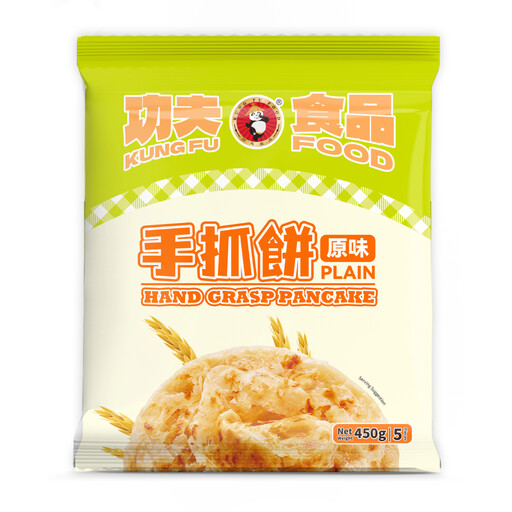
This plain, frozen pancake is a pan-fried option for tea time, rather than a ready-to-eat Scotch or buttermilk pancake. Allow for cooking and check whether its wheat and soy ingredients meet the child’s requirements.
 No image available
A plain pancake to pan-fry for tea time, not a ready-to-eat Scotch pancake. It is frozen and contains wheat and soy; check the pack’s cooking and allergen instructions before serving.
No. The cited Waitrose & Partners buttermilk and higher-protein pancakes contain wheat ingredients, while the cited Genius pancakes are labelled gluten-free and made without wheat. Check the current pack for the particular product.
Not necessarily. Waitrose & Partners lists dried egg white and dried whole egg in the cited Genius gluten-free pancakes, so an egg allergy needs a separate check of the current ingredients.
Check the school’s current food and allergy arrangements first, particularly when a child has documented food-allergy requirements. The Department for Education’s school allergy guidance applies to England; discuss the child’s individual arrangements directly with the school.
Follow the instructions on the particular pack. Waitrose & Partners says its cited buttermilk pancakes must be refrigerated and eaten within two days of opening; do not apply that instruction to a different product without checking its label.