Families planning a quick tea
A heat-and-serve tin can simplify the meal. Check the portion and sides against the 500-calorie limit, and choose a texture and flavour your child is likely to eat.


A soup can fit a 500-calorie tea without being the right choice on calories alone. Compare the amount your child will eat, then check its salt, ingredients and allergens alongside any bread or other sides; texture and flavour matter too.
A heat-and-serve tin can simplify the meal. Check the portion and sides against the 500-calorie limit, and choose a texture and flavour your child is likely to eat.
Calories are only part of the label check. The NHS gives lower daily salt maximums for younger children, so the amount of soup served and the rest of the tea both matter.
Vegetarian or vegan wording does not replace a check of the exact product's current ingredients and allergen label, particularly where milk, wheat or celery matters.
Start with the bowl you intend to serve, not just the figure highlighted on the front of a tin. Then compare salt and dietary fit before deciding what, if anything, to serve alongside it.
| Priority | What to check | Your needs |
|---|---|---|
| Calories served | Check whether nutrition is given per 100g, per serving or per half-can. Use the portion served, and include additions to condensed soup and any sides. | I want the whole tea, rather than just the soup shown on the label, to stay within 500 calories. |
| Salt | Compare salt on the same basis, such as per 100g or per bowl. If serving a whole tin, calculate its whole-tin amount; check sides separately. | A lower calorie figure does not answer my salt question. The NHS lists daily salt maximums of 3g for children aged 4 to 6 and 5g for those aged 7 to 10. |
| Ingredients and allergens | Read the current ingredient and allergen label for the exact variant. Check a vegetarian or vegan statement against the product being bought. | Milk, wheat or celery could rule out a soup for my household, regardless of its calories. |
| Flavour and texture | Look for smooth or chunky soup, beans, pasta and spice ingredients. Consider the portion and what else will make up tea. | A familiar smooth soup may be easier to serve here; in another household, a bean or vegetable soup may be the preferred meal. |
Tesco Groceries lists 61 kcal and 0.69g salt for a 200g half-can of Tesco Low Fat Tomato Soup. Serving its full 400g tin doubles both amounts.
Check the labelled serving size against the portion going into the bowl before counting bread or other extras.
For the checked 400g tins, Tesco Groceries lists 1.38g salt for a whole Tesco Low Fat Tomato Soup and 2.2g for a whole Heinz Cream of Tomato Soup, calculated from their half-can labels.
Compare salt for the amount served and consider it alongside the rest of the tea.
The checked Heinz Cream of Tomato contains milk, while the checked Heinz Vegetable contains wheat, according to their Tesco Groceries product information. Different variants call for different checks.
Read the current tin's ingredients and allergen statement rather than relying on the flavour name.
Bread toppings, cheese and sauces change the calories and salt in the complete tea.
Decide on the soup portion and sides together, rather than treating the tin's nutrition figures as figures for the meal.
The checked 400g Cream of Tomato and Vegetable tins offer different smooth tomato and vegetable-style choices; their labels should be compared separately.
The checked own-label Low Fat Tomato Soup is a 400g smooth tomato option.
The checked M&S options include Cream of Tomato and a differently flavoured Spiced Lentil and Tomato soup.
The checked 295g Condensed Cream of Tomato is prepared by dilution or used as a cooking ingredient.
These tins offer vegetable, mushroom, bean and pea-based choices to consider for tea time. Check the portion, salt and current allergen label for each one; the product name alone does not establish dietary suitability.
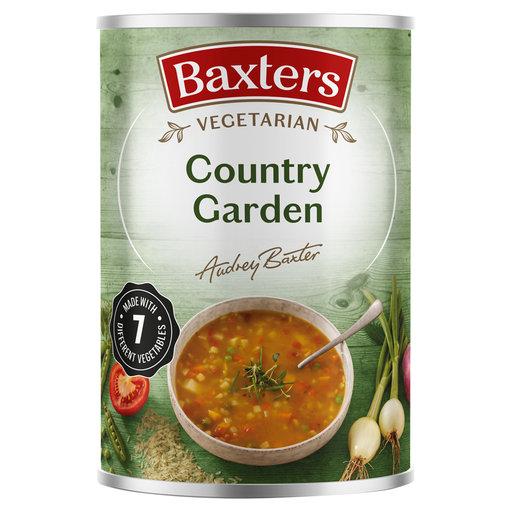 No image available
A vegetable-led choice for a tea where that flavour and texture appeal. Check the portion's salt and the current label for milk before serving.
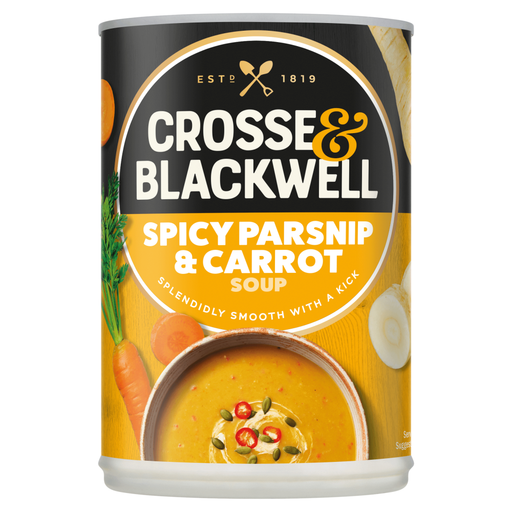 No image available
Consider this parsnip-and-carrot soup if spice-led flavours suit your child. Check the current label for celery, milk and wheat, as well as the salt in the portion served.
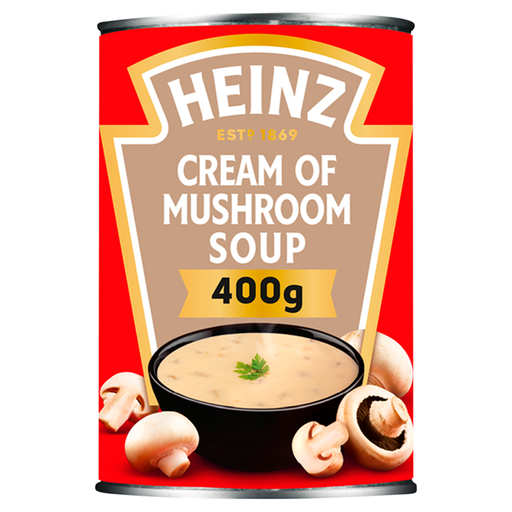 No image available
A mushroom option if that flavour and texture suit the meal. Check the current label for milk and wheat, and count salt for the amount served.
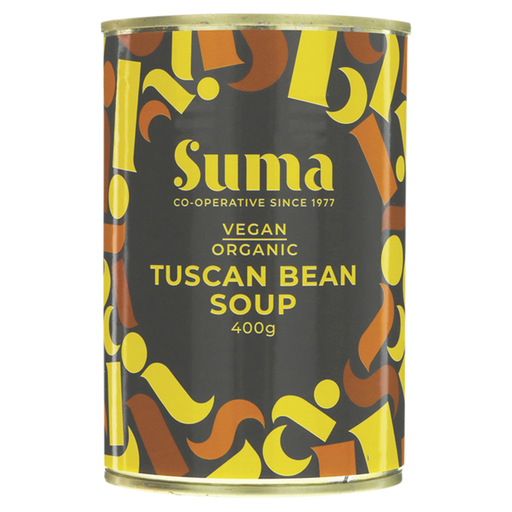 No image available
A bean-based alternative for a child who accepts that texture. Check the salt for the portion and the current allergen label for celery.
 No image available
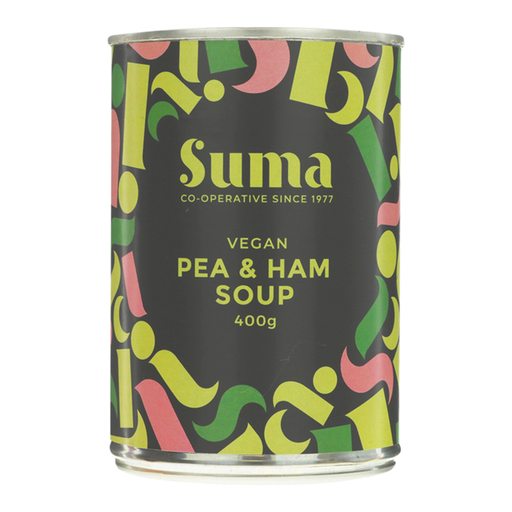
A pea-soup option, but do not rely on the word ‘vegan’ in its name for dietary suitability: the supplied product descriptions also list milk as an allergen. Check the current ingredients and allergen label for milk, wheat and soy, and compare the portion's salt before choosing it.
No. Check the portion, salt, allergens and any sides as well as calories. The NHS lists daily salt maximums of 3g for children aged 4 to 6 and 5g for children aged 7 to 10, so the soup's salt figure needs to be read in the context of the day's food.
Count the amount actually served. Tesco Groceries lists nutrition per half-can for the checked Tesco Low Fat Tomato and Heinz Cream of Tomato 400g tins; a full tin is twice that labelled amount. Include milk or other additions if preparing condensed soup.
Use the numerical salt figures on the same basis, such as per 100g or for the amount being served. Where a traffic-light label is provided, GOV.UK explains that its colours show whether the labelled amounts of nutrients, including salt, are high, medium or low.
Not necessarily. The checked Heinz Cream of Tomato, Tesco Low Fat Tomato and Campbell's Condensed Cream of Tomato products contain milk ingredients. Read the current pack's allergen statement rather than relying on the flavour name.