
24/7 Customer Support

Free returns

Same-day & Next-day Delivery

Quality Guaranteed

Unlock Your Welcome Offers: FREE Delivery | Up to 80% OFF | Free 30-day JoyPlus trial
Download the APP
Choosing children’s vitamins and supplements can feel unnecessarily complicated. Gummies, softies, drops, chewables and liquid omega-3 products often use appealing flavours and colourful packaging, but the most noticeable feature is not always the one that matters.
For UK families, the right choice should match the child’s age, diet, allergies, preferred format and actual nutritional need. Supplements should complement a varied diet rather than replace it. If your child has a medical condition, takes medication, follows a restricted diet or already uses another supplement, speak to a pharmacist, GP or other qualified healthcare professional before buying.
Kids multivitamin gummies and children’s vitamin gummies may be easier to give than tablets, but “gummy” does not automatically mean appropriate for every child. Check the recommended age, serving size and whether the child can chew safely. Some products contain added sugar, sugar alcohols or sweeteners such as xylitol.
A product with a smaller daily serving may also be easier to manage than one requiring several gummies or softies. However, compare the nutrient panel rather than relying only on the number of pieces in the bottle.
A multivitamin may already contain vitamin D, vitamin C, zinc or other nutrients. Adding separate immune support vitamins for children, calcium, magnesium or fish oil without checking the labels can lead to unnecessary duplication.
This is particularly important for children taking a multivitamin alongside calcium and vitamin D for kids, baby vitamin D drops or fortified foods. Keep a simple record of what your child takes and follow the stated daily maximum.
Marketing language does not replace an ingredient list. Vegetarian vitamins for children may use algae-derived DHA, while fish-oil products contain fish and may use gelatin. A sugar-free product may still contain xylitol, sorbitol, maltitol or other sugar alcohols.
For allergy-conscious families, read the full label every time. Formulations, packaging and directions can change, so the product information supplied with the purchase should take priority.
Age suitability is non-negotiable. Some products are designed for babies, while others are only suitable from age three or four. For example, a measured liquid may be more practical for an infant, whereas chewable vitamins for kids are intended for children who can chew thoroughly.
Check:
Never treat a gummy supplement as confectionery. Store it out of sight and reach of children.
The nutrient should correspond with the reason for buying. A general multivitamin can suit families looking to cover several dietary gaps, while a single-nutrient product may be more appropriate when advised by a healthcare professional.
Common options include:
DHA sources are worth checking carefully. Fish oil contains fish allergens, while algae-derived DHA may suit vegetarian households. Flaxseed-based omega-3 products provide ALA, which is a different type of omega-3 from DHA.
Compare the ingredient list with your household requirements. Look for gelatin, fish, milk, soya, nuts, coconut, colourings and sweeteners. Families seeking sugar-free kids vitamins should confirm both “total sugars” and the sweetener used.
Sugar-free does not mean calorie-free or suitable for every child. Xylitol is also highly toxic to dogs, so products containing it must be stored securely away from pets.
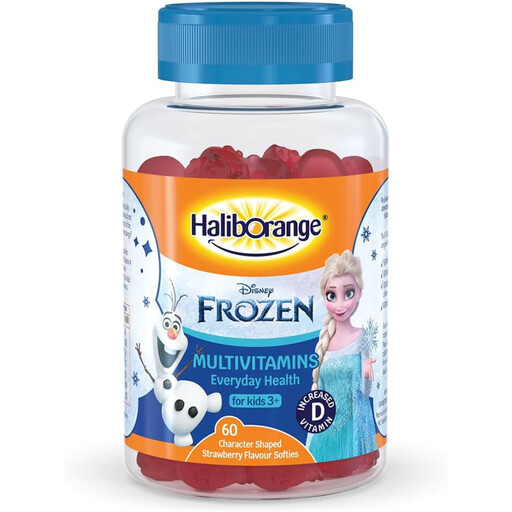
Why This Fits Their Persona: A straightforward option for families introducing a daily multivitamin to a child aged three or over, with one strawberry-flavoured softie per day.
The label clearly states the 3+ age suitability and one-softie daily maximum, helping avoid unsuitable dosing or accidental doubling.
Contains vitamins A, C, D, E, B6 and B12; 60 softies provide a practical household supply.
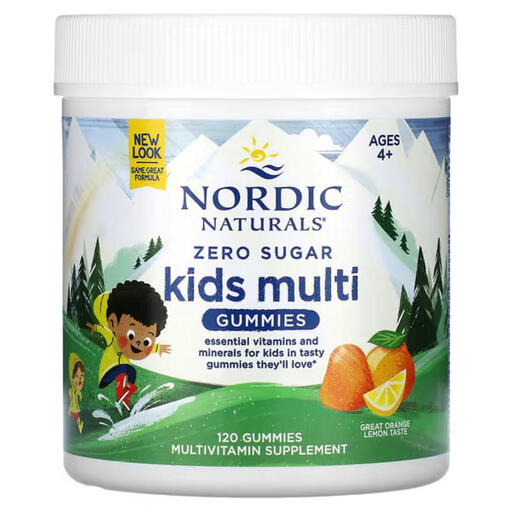
Why This Fits Their Persona: Suitable for vegetarian families and parents comparing sugar-free kids vitamins for children aged four and over.
Its nutrition panel lists zero total sugar and identifies xylitol and stevia, making the sweetening approach clearer than vague “low sugar” wording.
Provides 18 listed nutrients; vegetarian, pectin-based gummies with orange and lemon flavour.
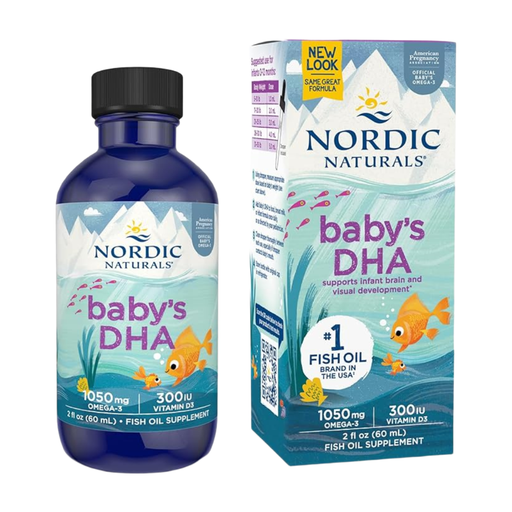
Why This Fits Their Persona: A measured liquid format for families seeking baby vitamin D drops and omega-3 support in one infant-focused product.
The dropper allows measured dosing, while the label states a 5 ml daily maximum and advises refrigeration after opening.
A 60 ml liquid bottle contains DHA, EPA and vitamin D3; it is free from gluten, milk derivatives, artificial colours and artificial flavours.
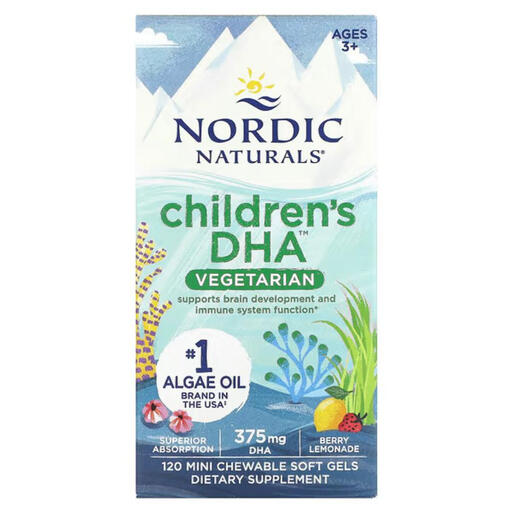
Why This Fits Their Persona: A practical alternative for children aged three and over who do not eat fish or whose family prefers vegetarian vitamins for children.
The source is listed as algal oil rather than fish oil, reducing confusion when checking a vegetarian or fish-free diet.
Provides 375 mg DHA per four chewables; the formula is free from gluten, milk derivatives and artificial colours or flavours.
We have compiled a complete, real-time list of products that fully satisfy these strict selection criteria and UK safety regulations.
Not every child needs a multivitamin. It depends on diet, age and individual circumstances. A varied diet remains the foundation, while supplements may be useful where intake is limited or a healthcare professional has recommended them. Always follow the product’s age guidance and dosage.
Gummies can be easier for children who cannot swallow tablets, but they are not automatically more suitable. Compare sugar, sweeteners, allergens, serving size and chewing instructions. Young children must be supervised to reduce choking risk.
Shelf life varies by product. Check the best-before date, storage instructions and any “use within” guidance after opening. Liquid products may need refrigeration, while gummies and softies generally require a cool, dry place. Keep every supplement tightly closed and out of children’s reach.