
24/7 Customer Support

Free returns

Same-day & Next-day Delivery

Quality Guaranteed

Unlock Your Welcome Offers: FREE Delivery | Up to 80% OFF | Free 30-day JoyPlus trial
Download the APP
Tempting children away from screens and into the fresh air can feel like a daily challenge. An outdoor garden playhouse offers a wonderful solution, creating a dedicated space for imaginative adventures, social development and active fun right in your own back garden.
However, with so many options available, choosing the right one can be overwhelming. This guide is designed to help you navigate the key features, materials and safety considerations, making it easier to find a kids wooden playhouse that your family will cherish for years to come. We will look at what makes a great play space and highlight a few recommendations to consider.
Before you start browsing, here are a few practical points to consider. Focusing on these areas will help you select a durable, safe and engaging wendy house for your kids.
The construction of a playhouse is paramount. Look for models made from solid wood, such as fir, which is known for its durability and natural resistance to the elements. The finish is equally important; ensure any paint or varnish used is water-based and non-toxic. Key safety features to check for include smooth, polished surfaces, rounded edges to prevent scrapes and a sturdy frame that will remain stable during active play. An open design with large windows is also beneficial, as it provides good ventilation and allows for easy supervision.
The most memorable playhouses are those that spark creativity. While a simple structure is great, a playhouse with mud kitchen elements, serving windows, or integrated seating can transform it into an outdoor role play centre. Features like a sink, flowerpot holders, or a snack bar window encourage children to invent scenarios, from running a café to tending a garden. A children's playhouse with bench seating provides a lovely spot for sharing stories or enjoying a snack with friends, nurturing crucial social skills.
Consider both the external footprint and the internal play area. Measure your garden to ensure there is enough space around the playhouse for safe access. Internally, check the dimensions and height. A taller, more spacious interior allows children to stand up comfortably and provides enough room for two or three children to play together without feeling cramped, extending the usability of the playhouse as they grow.
Based on features that encourage creative and social play, here are some items to consider for your garden.
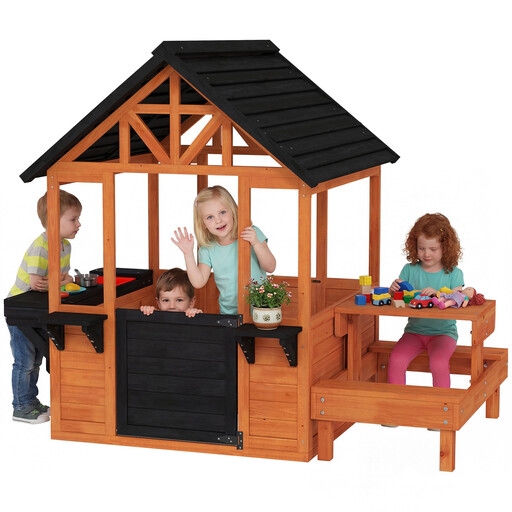
Why It Stands Out: This model is more than just a playhouse; it's a complete activity hub. It combines multiple play elements into one structure, including a built-in table with two benches, a snack bar window, a removable sink for mud kitchen fun and flowerpot holders. This multi-role design provides a fantastic foundation for a wide range of imaginative games.
Pros:
Who is it for? This playhouse is ideal for parents seeking a single, feature-rich structure that encourages social, creative and hands-on play for children aged 3 to 8.
To make the experience even more immersive, consider adding some child-friendly gardening accessories. This can help teach children about nature and give them a sense of responsibility.
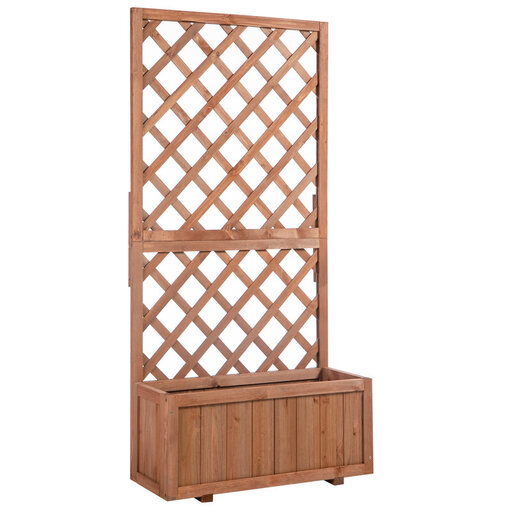
Why It Stands Out: Placed next to a playhouse, this solid wood planter creates a dedicated gardening corner. Its generous 45L capacity is perfect for growing flowers, herbs or even vegetables. The integrated trellis is a great feature for supporting climbing plants like sweet peas or beans, adding a vertical dimension to their garden.
Pros:
Who is it for? Families who want to introduce their children to the joys of gardening. It’s a practical and educational addition to any outdoor play area.

Why It Stands Out: To get little hands truly involved, a proper tool is essential. This bulb planter is made from durable stainless steel and features a simple push-and-twist motion that makes digging holes for bulbs and seedlings straightforward. Its size makes it manageable for children to use under adult supervision.
Pros:
Who is it for? Parents looking to equip their budding gardeners with a functional, real tool (with supervision) to use in their new planter or the flowerpot holders on their playhouse.
If you're inspired to create a dedicated green space for your little one, there are many options to explore. From raised beds to decorative pots, the right planters can complete your outdoor play zone.
For more ideas, browse our full collection of wooden planters.
Most wooden playhouses are designed for children between the ages of 3 and 8. This is the period when imaginative and social play are developing rapidly. Always check the manufacturer's recommended age range, as this is based on the size, features and safety aspects of the specific model. The AIYAPLAY playhouse featured above, for example, is recommended for ages 3-8.
To ensure your wooden wendy house lasts through the British weather, some simple maintenance is advised. At least once a year, inspect the structure for any loose fittings and tighten them. Clean the surfaces with a mild soap and water solution. It is also a good idea to apply a child-safe wood preservative or sealant to protect the timber from moisture and sun, which will help maintain its colour and structural integrity.
Both materials have their merits. Wooden playhouses are often favoured for their traditional aesthetic, sturdiness and environmental credentials. They are heavy and stable, and the natural material blends well into a garden setting. Plastic playhouses are typically lighter, easier to assemble and require very little maintenance. However, they can fade in the sun over time and may become brittle in cold weather. The choice often comes down to personal preference regarding style, budget and long-term durability.