
24/7 Customer Support

Free returns

Same-day & Next-day Delivery

Quality Guaranteed

Unlock Your Welcome Offers: FREE Delivery | Up to 80% OFF | Free 30-day JoyPlus trial
Download the APP
A kids wooden sandpit can transform a simple garden into a hub of creativity and sensory exploration. For many parents and grandparents, the goal is to find an outdoor garden sandpit that is not only fun but also safe, durable and practical. With so many options available, featuring different covers, seats and canopies, making a choice can feel overwhelming.
This guide is designed to help you navigate the key features of a children's wooden sandpit. We will look at what makes a quality sandpit and highlight a few recommended models to help you find a suitable option for your outdoor space and your little ones.
Before diving into specific products, let's consider a few essential features. Focusing on these aspects will help you select a sandpit that meets your family's needs for years to come.
A wooden sandpit with a cover is a practical necessity for any UK garden. A good cover serves several purposes: it keeps the sand clean and dry by protecting it from rain, falling leaves and other garden debris. Crucially, it also prevents local cats and other animals from using it as a litter tray, ensuring the play area remains hygienic. Some models come with simple fabric covers, while others feature cleverly integrated wooden sandpit with lid designs, where benches fold down to form a solid protective top.
Comfort and safety are paramount during playtime. A sandpit with benches provides a designated space for children to sit, keeping them off potentially damp sand and making for a more comfortable experience. For sunny days, a sandpit with seats and canopy is an excellent feature. An adjustable canopy offers vital protection from direct sunlight, allowing for longer and safer play sessions, even during the warmer months.
The durability of an outdoor toy is a key consideration. Most quality wooden sandpits are crafted from fir wood, which is known for its natural resistance to rot and insects. Look for wood that has been treated with a water-based, child-safe finish to enhance its weather resistance. Additionally, check for safety certifications like EN71, which indicates the product meets stringent European safety standards for toys, ensuring there are no sharp edges or hazardous materials. A bottomless design paired with a non-woven fabric liner is also a popular feature, as it promotes good drainage and ventilation while keeping the sand contained.
Here are a few models that showcase the practical features discussed above, each catering to slightly different needs and garden setups.
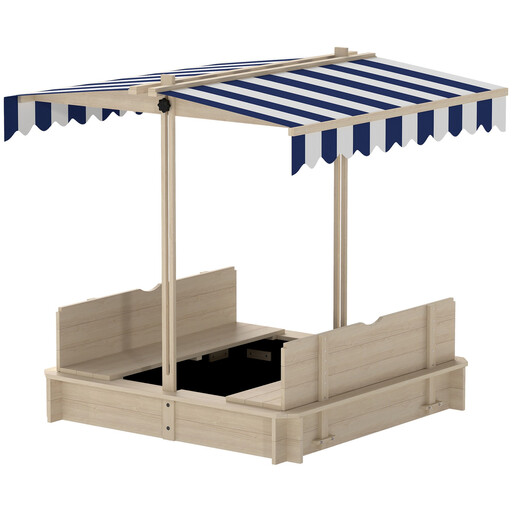
Why It Stands Out: This model is a fantastic all-rounder, combining play, comfort and protection in one neat package. Its most notable feature is the dual-function benches, which fold flat to create a solid cover for the sand, protecting it from the elements and debris.
Pros:
Who is it for? This sandpit is ideal for families seeking a complete solution with integrated seating, sun protection and a practical, built-in cover. It's a great fit for small to medium-sized gardens.
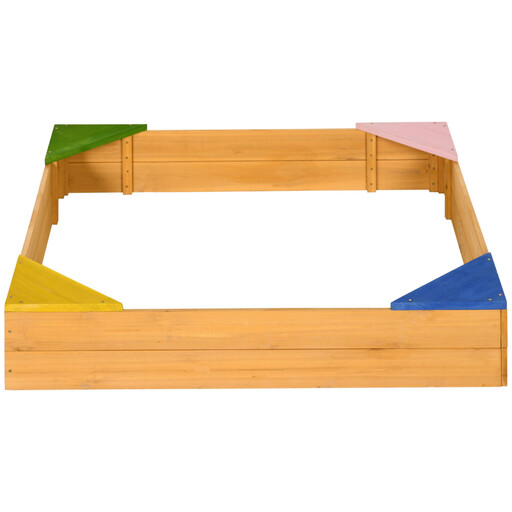
Why It Stands Out: With its simple, robust design and focus on social play, this sandpit is all about shared fun. It features four brightly coloured corner seats, inviting multiple children to dig, build and play together.
Pros:
Who is it for? This is a great choice for nurseries, childminders or families with several young children. Its straightforward and sturdy design prioritises group play and durability.
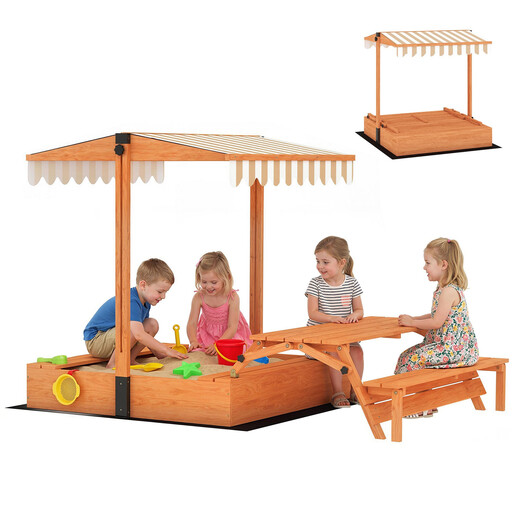
Why It Stands Out: This model elevates the concept of a sandpit by transforming into a multi-functional play station. The benches cleverly fold inwards to create a picnic table, providing a perfect spot for snacks, drawing or other garden activities.
Pros:
Who is it for? This sandpit is designed for those who want more than just a sandpit. It's perfect for larger families or anyone who loves hosting playdates and wants a central hub for all kinds of outdoor fun.
While these models offer excellent features, they may not be the perfect fit for every garden. If you're looking for different sizes, styles or features, you can explore a wider selection of imaginative and durable play equipment.
Discover more in our full range of wooden childrens toys.
The amount of sand required depends on the sandpit's dimensions. As a general guideline, it's best to fill it about two-thirds full to prevent sand from spilling out easily. Most product descriptions will specify the recommended sand capacity in kilograms (kg), such as the 90kg capacity of the first model or the 265kg capacity of the third. Always use dedicated, washed play sand, which is non-toxic and safe for children.
Regular maintenance will keep your sandpit clean and safe. The most important step is to always use the cover when the sandpit is not in use. This prevents contamination from animals, rain and debris. It's also a good practice to occasionally rake the sand to aerate it and check for any buried objects. Ensure the wood is treated as recommended by the manufacturer to maintain its weather resistance over time.
Yes, fir wood is a popular and suitable choice for outdoor children's furniture, including sandpits. It is a relatively lightweight yet strong softwood that has good natural resistance to decay and insects. When treated with a protective, water-based finish, its durability is further enhanced, making it a reliable material for an outdoor garden sandpit that will last for many seasons.