
24/7 Customer Support

Free returns

Same-day & Next-day Delivery

Quality Guaranteed

Unlock Your Welcome Offers: FREE Delivery | Up to 80% OFF | Free 30-day JoyPlus trial
Download the APP
Buying kids bikes can seem straightforward until you compare wheel sizes, frame materials, stabilisers and brake systems. A bicycle that looks suitable in a product photo may be too heavy, too large or poorly matched to your child’s riding ability.
For UK families, the right choice should reflect the rider’s height, confidence, intended terrain and whether the bike is for play, local paths or bikes for school commuting. The following guide highlights common buying traps and practical checks before you order.
Age ranges are useful as a starting point, but children of the same age can have very different heights and leg lengths. A 16-inch kids bike may suit one child but feel awkward for another. Always compare the manufacturer’s recommended height range with your child’s measurements.
Your child should be able to sit comfortably, reach the handlebars without stretching and place their feet securely when stopped. Buying a larger bike “to last longer” can make learning more difficult and reduce control.
A steel frame may offer durability, but it can be tiring for a smaller rider to push, steer or lift. This matters when using a bike on kerbs, in parks or when a parent needs to carry it home.
Look for the listed net weight rather than relying on styling. Some lightweight kids bikes use aluminium or magnesium alloy frames, while steel models may be more suitable when sturdiness and price are the main priorities.
A basket, decorative styling or training wheels can be useful, but they do not replace correct sizing, working brakes and adult supervision. Training wheels can support early confidence, although they should be removable when the child is ready to practise balancing independently.
For children riding near traffic, check lighting, reflectors and local road-use requirements. Toy-style bicycles may include warnings that they are not intended for public roads, so read the full product information before buying.
Wheel size is one of the clearest ways to narrow down children’s bikes, but it should be combined with the child’s height and inside-leg measurement.
The rider should be able to mount easily, operate the brakes and maintain a controlled riding position. Check the stated height range for each model rather than selecting by wheel size alone.
A single-speed bike keeps controls simple for beginners. A coaster brake, operated by pedalling backwards, may feel intuitive for some young riders, while hand brakes help children learn the control style used on larger bicycles.
Check whether the brake levers are reachable by smaller hands and whether the child can apply them smoothly. On any bike with stabilisers or training wheels, inspect the fittings regularly and remove them only when the rider can balance and stop safely.
Steel frames can provide a solid feel, while aluminium alloy and magnesium alloy frames may reduce carrying weight. The practical choice depends on the child’s strength, storage arrangements and how often the bicycle needs to be lifted.
An adjustable saddle is essential, but handlebar adjustment can also improve fit. For daily use in the UK, mudguards, enclosed chain guards and rust-resistant fittings are useful details. Regularly check tyre pressure, brake operation, wheel fasteners and saddle clamps. Wipe away road spray and dry the bike after wet rides.
For a helmet, choose appropriate protective equipment and check the product labelling for a recognised standard such as BS EN 1078. A helmet should fit securely and be replaced after significant impact.
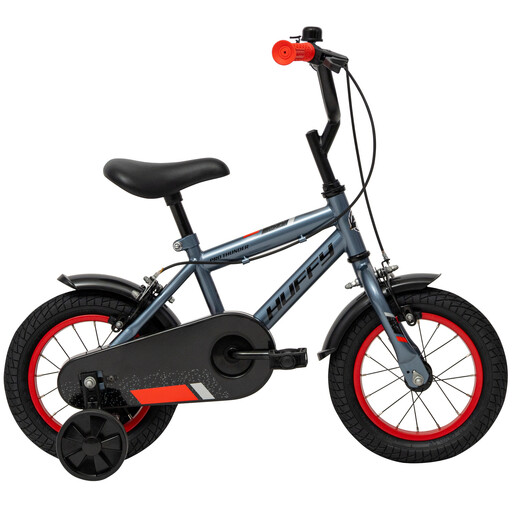
Why This Fits Their Persona: A straightforward option for children aged 3 to 5 who are beginning to pedal around pavements, driveways and supervised play areas.
The 12-inch wheels, adjustable seat and removable stabilisers help avoid buying an oversized bike before the child is ready.
Enclosed chainguard, adjustable seat and front and rear steel sidepull caliper brakes.
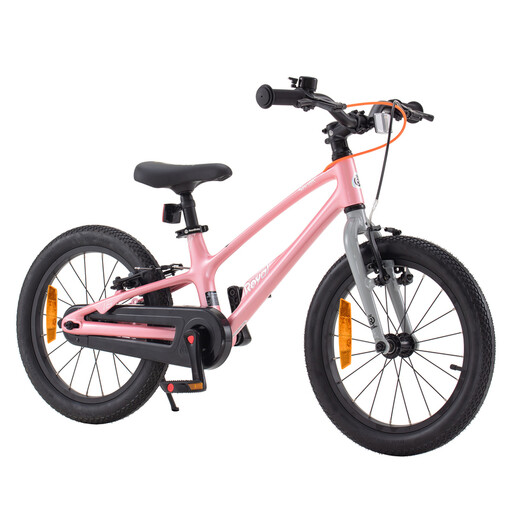
Why This Fits Their Persona: Suitable for families wanting one adaptable bicycle for balance practice and early pedal riding in parks and quiet paths.
Its tool-free crank system allows balance and pedal modes, reducing the need to replace the bike during the learning transition.
Listed weight is 13.0 lb in balance mode and 13.9 lb in pedal mode; it has dual V-brakes and hybrid all-terrain tyres.
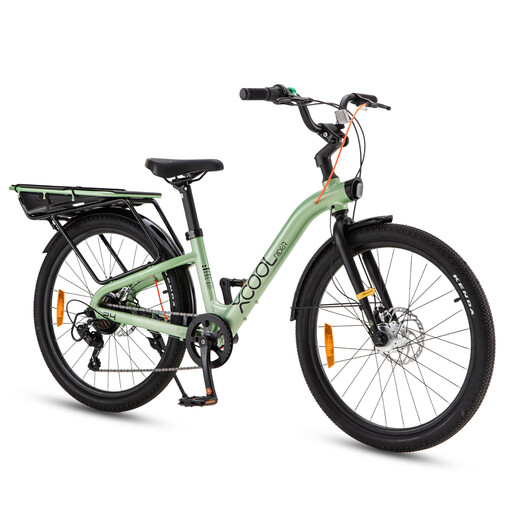
Why This Fits Their Persona: Designed for taller children and young teenagers using bikes for school commuting, recreational rides and mixed UK weather.
The stated 135–170 cm height range prevents relying on age alone, while mudguards and storage address everyday commuting needs.
Aluminium alloy frame, front and rear disc brakes, 25 kg rear cargo box and self-powered 30-lumen dynamo front light.
We have compiled a complete, real-time list of products that fully satisfy these strict selection criteria and UK safety regulations.
Many five-year-olds may use a 14-inch kids bike or 16-inch kids bike, but height and inside-leg length are more reliable than age. Check that the child can reach the brakes and place their feet down when stationary. You can also browse the dedicated bikes for 5 year olds range for more age-relevant options.
Children’s bikes with training wheels can provide initial stability, particularly for a child who is nervous about balancing. They should be securely fitted and checked regularly. Once the rider can steer, pedal and stop confidently, removing them allows proper two-wheel balance practice.
Lifespan depends on frame quality, rider weight, weather exposure and maintenance. Adjustable components may extend the useful fit, but they cannot compensate for a frame that has become too small. Check tyre pressure, brake pads, chain condition and fasteners frequently, and store the bicycle somewhere dry where possible.