
24/7 Customer Support

Free returns

Same-day & Next-day Delivery

Quality Guaranteed

Unlock Your Welcome Offers: FREE Delivery | Up to 80% OFF | Free 30-day JoyPlus trial
Download the APP
Kikkoman soy sauce is a familiar cupboard staple for stir-fries, marinades, ramen, sushi and everyday seasoning. However, choosing the right bottle is not simply a matter of picking the largest size or the lowest-salt label. Different varieties have noticeably different ingredients, salt levels, sweetness, bottle formats and intended uses.
For UK households, three common buying mistakes are worth avoiding:
Naturally brewed soy sauce commonly contains water, soybeans, wheat and salt. This applies to many traditional and less-salt varieties, meaning they are not suitable for people avoiding gluten or wheat.
Kikkoman gluten-free tamari soy sauce is made without wheat and uses soybeans, water, salt and spirit vinegar, according to the supplied product information. It is listed as gluten-free, Halal and vegan/vegetarian, but you should still verify the current label before serving anyone with a severe allergy.
For plant-based diets, several options are listed as vegan or vegetarian. Nevertheless, avoid relying on the word “Japanese” alone: check the ingredient list and any relevant certification.
A reduced-salt or less salt soy sauce can help you moderate salt intake compared with a standard version, but it is not a salt-free seasoning. The supplied Kikkoman Reduced Sodium Soy Sauce 480ml lists approximately 25% less sodium than regular Kikkoman soy sauce, while the 150ml and 250ml less-salt products are described as having 43% less salt than the regular version.
These figures should not be treated as interchangeable. Compare the nutrition panel per 100ml and consider how much you normally pour. A small splash used in a stir-fry is different from a generous dipping bowl.
For more control, add soy sauce towards the end of cooking and taste before adding extra salt. This preserves its savoury character while reducing the chance of over-seasoning.
Choose a size that matches your usage:
Some varieties should be refrigerated after opening to help maintain flavour. Traditional products may have different storage instructions, so follow the bottle label rather than assuming all sauces have the same shelf life. Large bottles can offer convenience, but they are poor value if the flavour declines before you finish them.
Kikkoman traditional soy sauce is the general-purpose choice for stir-fries, soups, stews, noodles, marinades and dipping. It contains wheat, so it is not gluten-free.
Kikkoman reduced salt soy sauce is aimed at shoppers who want a lighter salt profile while retaining a naturally brewed umami taste. It can be used as a cooking sauce, dipping sauce or dressing ingredient.
Kikkoman tamari gluten-free soy sauce is the more suitable option when wheat or gluten must be avoided. It is available in smaller and larger bottles, including a 1 litre format for frequent use.
Kikkoman sushi and sashimi soy sauce is described as milder and slightly sweeter than regular soy sauce. Its 250ml dispenser bottle is designed for controlled dipping with sushi, sashimi and wasabi.
Kikkoman organic soy sauce uses organically grown soybeans and wheat, alongside water and salt. It remains a wheat-containing sauce, so “organic” does not mean gluten-free.
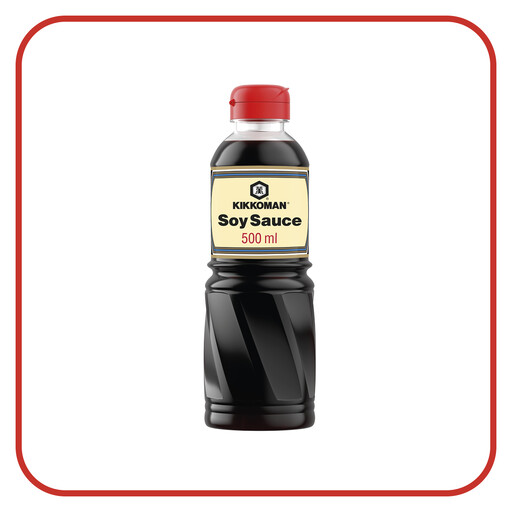
Why This Fits Their Persona: A sensible all-purpose size for UK cooks trying Japanese soy sauce in stir-fries, noodles, marinades and dipping dishes.
The 500ml format avoids committing to a bulk bottle before you know how quickly your household uses it.
Four listed ingredients; suitable for vegan and vegetarian diets; versatile for cooking or dipping.
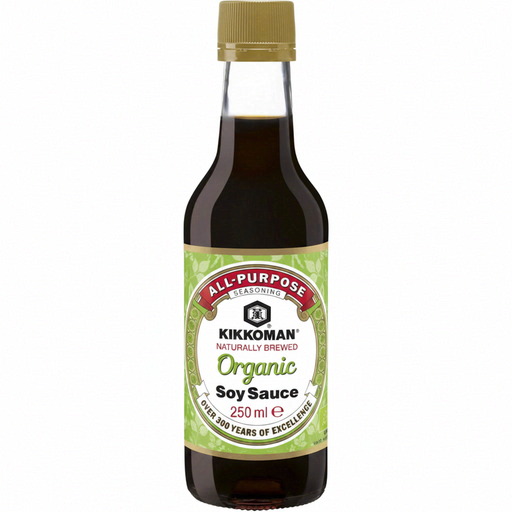
Why This Fits Their Persona: Suits shoppers who specifically want organically grown ingredients in a compact everyday bottle.
The organic label is paired with clear ingredient information, while the 250ml size limits waste for occasional users.
Uses organic soybeans and wheat; listed as suitable for vegan and vegetarian diets.
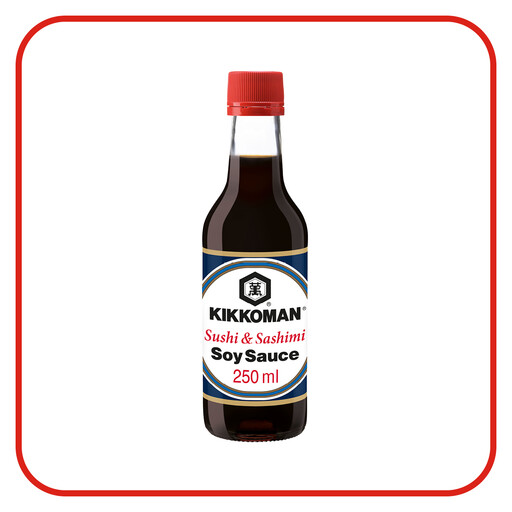
Why This Fits Their Persona: Designed for sushi nights, sashimi plates and controlled table-side dipping rather than large-volume cooking.
Its milder, slightly sweeter profile avoids overpowering delicate fish, while the dispenser supports measured portions.
250ml bottle; formulated for sushi and sashimi; contains soybeans and wheat.
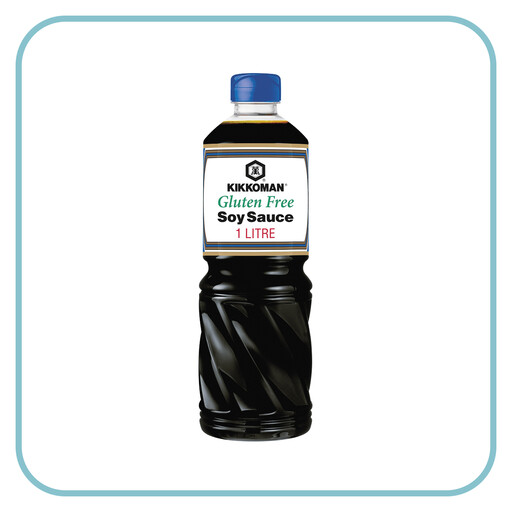
Why This Fits Their Persona: A practical larger format for frequent cooking where wheat-free seasoning is required.
It avoids the common wheat-allergen issue associated with standard soy sauce, but the label should still be checked before use.
1 litre capacity; listed as gluten-free, Halal and vegan/vegetarian; contains soybeans but no wheat.
We have compiled a complete, real-time list of products that fully satisfy these strict selection criteria and UK safety regulations.
Several varieties are listed as suitable for vegan and vegetarian diets, including traditional, reduced-salt and tamari options. Always check the current ingredients and certification on the bottle, as recipes and packaging information can change.
The tamari gluten-free varieties are specifically made without wheat and are listed as gluten-free. Traditional, organic, reduced-salt and sushi and sashimi versions contain wheat according to the supplied product details, so they are not suitable for a gluten-free diet.
Storage instructions vary. Several products recommend refrigeration after opening to help preserve flavour, while some traditional bottles can be kept in a cool, dry place. Follow the instructions on the specific product label and close the cap securely after each use.