
24/7 Customer Support

Free returns

Same-day & Next-day Delivery

Quality Guaranteed

Unlock Your Welcome Offers: FREE Delivery | Up to 80% OFF | Free 30-day JoyPlus trial
Download the APP
The rising popularity of Korean food in the UK has brought kimchi from a niche ingredient to a mainstream staple. Whether you're craving the tangy crunch of a side dish, the warming comfort of kimchi ramen or a flavourful hot pot base, the options are plentiful. However, this abundance can also be confusing. Many products use the "kimchi" label, but not all deliver the authentic, deeply fermented flavour you might be looking for.
As a Joybuy Product Recommendation Officer, my role is to help you navigate the market. We'll look at the common pitfalls that lead to disappointing purchases and break down what really matters when choosing the right product for your kitchen.
To ensure you get a product that meets your expectations, focus on a few key details beyond the front-of-pack marketing.
The ingredient list is your most reliable guide. Authentic Korean kimchi is typically made from napa cabbage, gochugaru (Korean chilli powder), garlic, ginger and often a form of seafood for umami, like fish sauce or fermented shrimp.
It's also useful to distinguish between different types of fermented vegetables. While often grouped together, Korean kimchi is distinct from Chinese suan cai (sour cabbage). Suan cai is typically fermented with salt and sometimes rice water, resulting in a purely sour flavour without the spicy kick of kimchi. It's a fantastic ingredient in its own right, particularly for creating a hot pot base or pairing with rich meats.
Kimchi is available in many forms, each suited to a different purpose:
Based on these practical considerations, here are a few recommendations tailored to different needs and preferences.
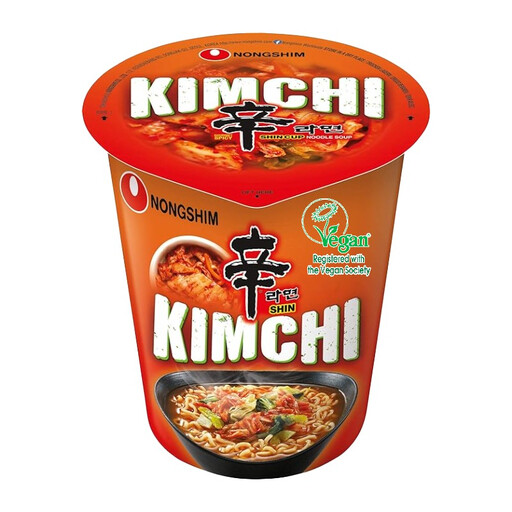
Why This Fits Their Persona: Ideal for students or busy professionals in the UK needing a quick, flavourful and warming meal. This cup noodle requires minimal effort—just add boiling water—making it perfect for an office lunch or a simple dinner.
It delivers the consistent, recognisable flavour of Korean kimchi ramen, avoiding the "kimchi-style" trap. The spice level is moderate and well-known, so you know exactly what to expect.
Ready in just 4 minutes. The all-in-one cup format means no extra washing up. Contains dried vegetable flakes for added texture.

Why This Fits Their Persona: For those who love hosting dinner parties and want to create an authentic Korean hot pot experience without spending hours on the broth. This base provides a reliable, restaurant-quality starting point.
This is a purpose-made hot pot base, not just a jar of kimchi. It's formulated to maintain a rich, balanced flavour when diluted. It contains 13% real kimchi, ensuring an authentic taste.
From a globally recognised hot pot brand. Delivers a complex spicy and tangy broth that pairs well with meats, seafood and vegetables.
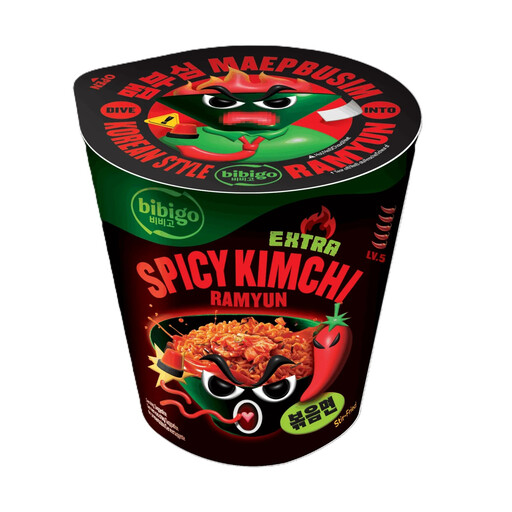
Why This Fits Their Persona: For the diner who actively seeks out intense heat and is often let down by products labelled merely as "spicy." This ramyun is explicitly designed for those who want a fiery challenge.
It directly solves the "vague spice level" problem by marketing itself as "Extra Spicy." This sets a clear expectation for a high level of heat, ensuring spice lovers are not disappointed.
Delivers a powerful, fiery kick alongside a rich kimchi flavour. The stir-fry preparation method provides a different texture compared to traditional soup-based ramen.
We have compiled a complete, real-time list of products that fully satisfy these strict selection criteria and UK safety regulations.
The main difference lies in the ingredients and flavour profile. Korean kimchi is typically spicy, sour and savoury, made by fermenting napa cabbage with chilli powder, garlic and other seasonings. Chinese suan cai (which translates to "sour vegetable") is primarily sour, made by fermenting cabbage or mustard greens in a salt brine. It does not usually contain chilli, making it tangy but not spicy.
Once opened, a jar of ready-to-eat kimchi should be kept refrigerated with the lid tightly sealed. It will generally stay fresh for at least one to two weeks, though its flavour will continue to develop and become more sour over time. Always check the product's specific storage instructions on the packaging.
Absolutely. Kimchi is an incredibly versatile ingredient. You can chop it up and add it to fried rice, use it as a topping for tacos or pizza or incorporate it into stews (jjigae) for a profound depth of flavour. It's also a key ingredient in savoury pancakes (kimchijeon) and, of course, a wide variety of spicy noodles and ramen dishes.