
24/7 Customer Support

Free returns

Same-day & Next-day Delivery

Quality Guaranteed

Unlock Your Welcome Offers: FREE Delivery | Up to 80% OFF | Free 30-day JoyPlus trial
Download the APP
Choosing kimchi for a UK household is not simply a matter of picking the spiciest jar. Storage conditions, pack size, ingredients and texture can make a noticeable difference to how useful it is once it arrives in your kitchen. This guide from the Joybuy Product Recommendation Officer explains the practical details to check before buying Korean kimchi, fermented kimchi or a Korean-inspired alternative.
Some kimchi is sold chilled, while ambient kimchi can be stored unopened in a cool, dry cupboard. However, ambient storage does not mean the product can be left unrefrigerated indefinitely after opening. Several shelf-stable pouches recommend refrigeration and immediate consumption once opened.
Always check the individual label for:
The word “authentic” does not tell you whether a kimchi is mild, very spicy, crunchy, sweet, fish-based or suitable for your dietary requirements. Ingredients provide more useful information. Napa cabbage, chilli, garlic, ginger and spring onion are common in traditional-style recipes, while rice paste, anchovy sauce, shrimp sauce or turmeric can significantly change the flavour.
For a closer match to Korean food traditions, look at the country of origin, recipe style and fermentation description together rather than relying on one marketing phrase.
A 300g kimchi jar may suit a household that eats kimchi several times a week or uses it in stir-fries, noodles and rice dishes. For occasional meals, an 80g or 100g pouch can create less waste and is easier to portion. Once opened, many products need to be refrigerated and consumed within a short period, so pack size should match your routine.
Fermented kimchi usually has a tangy, savoury flavour that develops over time. The level of sourness can vary between products and may become more pronounced during storage. If you prefer a fresh, crisp side dish, look for descriptions such as crunchy, sliced or pre-cut.
Those seeking spicy kimchi should check the chilli ingredients, but chilli powder percentage is not a complete measure of heat. Garlic, ginger, fish sauce and acidity regulators also influence the final taste.
Cabbage percentage can help you compare products. For example, Bibigo Sliced Kimchi Ambient contains 76.2% salted Napa cabbage, while Baxters Kimchi Crunchy & Spicy lists 83% cabbage. These figures do not determine personal preference, but they provide useful context when comparing recipes.
Pre-cut Napa cabbage kimchi is convenient for serving straight from the pack. Crunchy kimchi can also work well in wraps, ramen, rice bowls and stir-fries, although heating may soften the texture.
Kimchi recipes may contain fish, anchovy, shrimp, soy, wheat, mustard or celery. Always read the current packaging before purchase, particularly if you are managing an allergy or preparing food for others.
The salt content can also vary. The listed products range from 0.5g to 2.2g of salt per 100g, so the nutrition panel is worth checking if you are comparing recipes. Descriptions of live cultures should not be treated as a medical or nutritional guarantee, and cooking may affect living cultures.
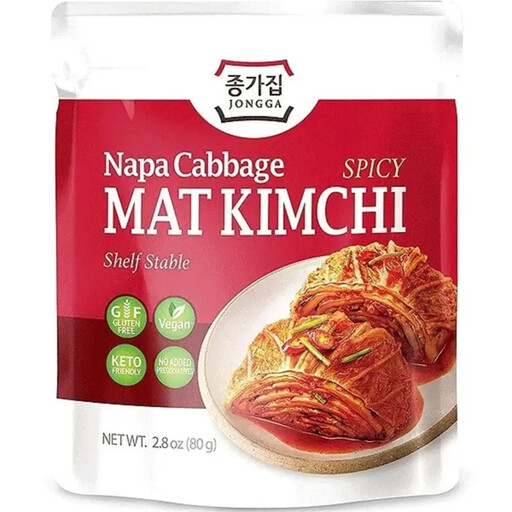
Why This Fits Their Persona: The single-serve 80g pouch offers a practical introduction to kimchi without committing to a large jar. It can be stored in a cupboard before opening and served with rice, noodles or soup.
The compact format reduces the risk of buying more than you can use before opening storage guidance changes.
Pre-cut, ready to eat and made in South Korea. Contains anchovy and shrimp ingredients, so check the allergen information.

Why This Fits Their Persona: This South Korean product combines sliced salted Napa cabbage with red pepper, garlic, ginger and spring onion for a traditional-style flavour profile.
The stated cabbage percentage and ingredient list make it easier to assess the recipe beyond broad authenticity claims.
150g ambient format, sliced Napa cabbage and a clearly listed soy allergen.
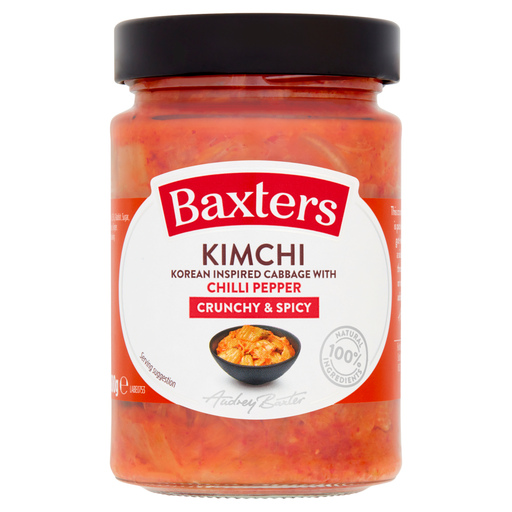
Why This Fits Their Persona: The 300g jar suits regular kimchi users who want a crunchy, spicy condiment for wraps, noodles, rice, stir-fries and hot dishes.
The product gives a defined 300g quantity and clear post-opening guidance: refrigerate and consume within one week.
Crunchy texture, 83% cabbage listed and a jar format suited to repeated servings. Contains wheat and fish.
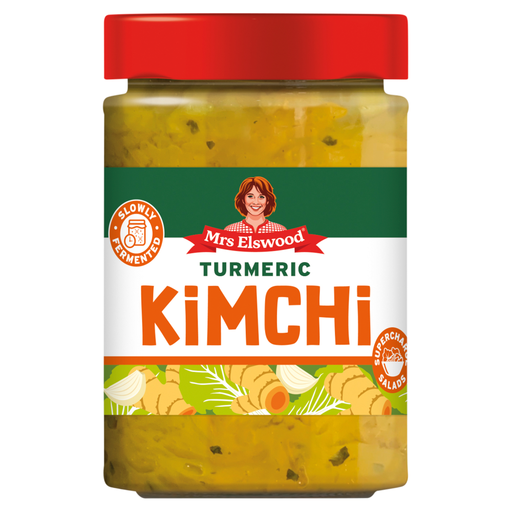
Why This Fits Their Persona: Turmeric adds a distinctive colour and earthy note for shoppers who want a variation on conventional spicy kimchi.
The ingredient list identifies turmeric at 2.5% and clearly states the fish allergen, helping you judge the flavour and suitability.
Six convenient jars in the listed pack format and a recipe combining Napa cabbage, chilli, garlic, ginger and turmeric.
We have compiled a complete, real-time list of products that fully satisfy these strict selection criteria and UK safety regulations.
Most packaged kimchi is ready to eat directly from the jar or pouch. It can be served as a kimchi side dish without preparation, although it may also be used in ramen, rice bowls, soups and stir-fries. Check the packaging for storage and handling instructions.
There is no single lifespan for every product. Baxters Kimchi Crunchy & Spicy advises refrigeration and consumption within one week, while other products may provide different instructions. Follow the label rather than relying on a general rule, and keep the container sealed between servings.
Not always before opening. Ambient kimchi products such as selected pouches can be stored in a cool, dry place, making them suitable for a cupboard, travel or camping. Once opened, refrigeration is commonly required. Always follow the product-specific storage guidance.