
24/7 Customer Support

Free returns

Same-day & Next-day Delivery

Quality Guaranteed

Unlock Your Welcome Offers: FREE Delivery | Up to 80% OFF | Free 30-day JoyPlus trial
Download the APP
Kimchi and pickled cabbage can add sharpness, spice and texture to an ordinary meal, but the products on UK shelves are not interchangeable. Korean kimchi, Chinese pickled cabbage, sauerkraut and seasoned cabbage products can differ significantly in fermentation method, salt level, storage and preparation.
For students, busy households and home cooks, the main challenge is choosing a product that suits the way it will actually be used. A small ambient pouch may be convenient for lunch, while a 500g jar or pack may be more suitable for cooking. Before buying, check these common pitfalls.
The words are sometimes used broadly in product descriptions. Fermented cabbage is made using a fermentation process, while other products rely mainly on vinegar, acidity regulators or preservatives for their flavour and shelf life. Sauerkraut, Korean kimchi and Chinese pickled cabbage may therefore have noticeably different textures and sourness.
Check the ingredients list for clues. Ingredients such as lactic acid bacteria or a named fermentation culture indicate that fermentation is part of the stated process. Vinegar, lactic acid or citric acid may instead be used to create acidity or control the product’s pH.
Korean kimchi may contain fish sauce, anchovy, shrimp or crustacean ingredients. Mat Kimchi, for example, lists fermented anchovy sauce and fermented shrimp sauce. Chunyu Palace Spicy White Cabbage contains fish and shrimp seasonings, while Baxters Kimchi includes anchovy and wheat.
If you follow a vegetarian diet or have a food allergy, read the full label rather than relying on terms such as “Korean-style” or “fermented”. UK food labels must highlight relevant allergens, but recipes and warnings can vary between products.
Ambient kimchi can usually be stored in a cool, dry place before opening, which is useful for cupboards, travel or student accommodation. However, once opened, it commonly needs refrigeration and prompt consumption.
Refrigerated kimchi must remain chilled, usually at the temperature stated on the pack. For example, Chunyu Palace Spicy White Cabbage specifies storage at 0–4°C. Buying a chilled product without enough fridge space can lead to unnecessary waste.
Look at the cabbage type and seasoning. Napa cabbage is common in Korean kimchi, while Chinese pickled cabbage may use Chinese cabbage or mustard greens. Korean kimchi generally combines chilli, garlic, ginger and spring onion with a sour, savoury flavour. Chinese pickled vegetables may be saltier and work particularly well in soups, stir-fries and fillings. Sauerkraut usually has a simpler cabbage-and-salt profile with a clean tang.
For a ready-to-eat kimchi side dish, bite-sized or sliced cabbage is practical. For kimchi soup, kimchi pancakes or stir-fries, a stronger sourness and larger pack may be more useful.
Salt levels vary widely. Guo Sheng Mustard Leaf lists 7.0g salt per 100g, while Bibigo Sliced Kimchi lists 1.9g per 100g. These figures are not directly comparable by taste alone, so check the nutrition panel when choosing between products.
Small packs from 75g to 150g can reduce leftovers and suit one meal. Larger formats, such as 300g to 500g, offer more cooking flexibility but need suitable storage after opening.
A product marked ready to eat can usually be served directly, but some pickled cabbage products are intended for cooking. Yu Yuan Suan Cai Pickled Cabbage 500g instructs customers to rinse, drain, cut and cook it before consumption. It can then be used in soup, stir-fries or dumpling fillings.
Always check:

Why This Fits Their Persona: A manageable 150g pack suits first-time buyers, shared flats and shoppers who want ready-to-eat kimchi without committing to a large jar.
Its ambient format avoids the assumption that every kimchi pouch needs refrigeration before opening. The label states that it contains soya, so allergy checking remains important.
Sliced Napa cabbage; ambient storage before opening; suitable as a side, ramen topping or rice-bowl ingredient.
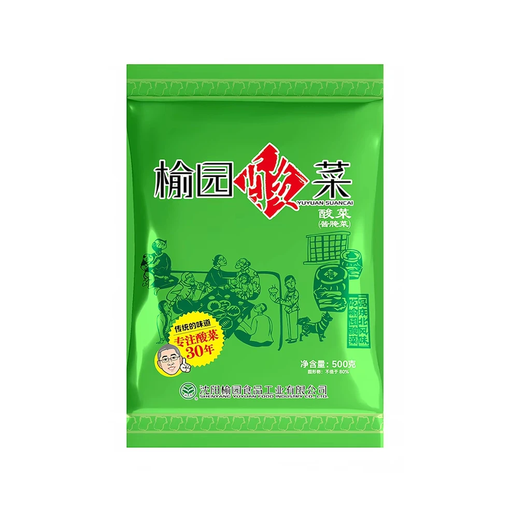
Why This Fits Their Persona: The 500g format is suited to cooks who regularly prepare Chinese soups, hot pots, stir-fries or filled dumplings.
The product instructions clearly state that it should be rinsed, drained and cooked, avoiding confusion with a ready-to-eat kimchi side dish.
At least 80% Chinese cabbage; 500g cooking format; no allergens listed in the supplied product information.
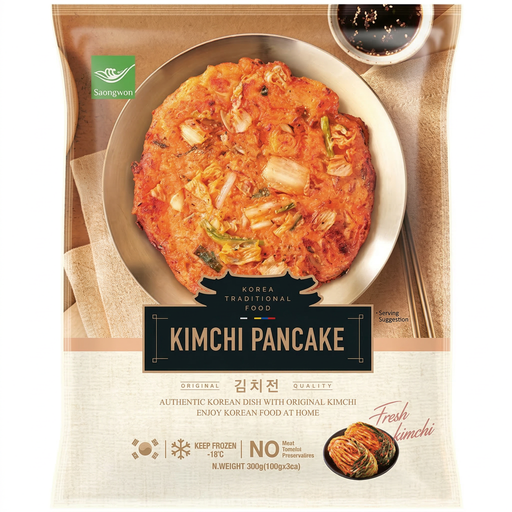
Why This Fits Their Persona: A practical option for households wanting a prepared Korean-style dish that can be served as a snack, side or light meal.
It is clearly presented as a kimchi pancake product rather than plain ready-to-eat cabbage, so shoppers can match it to the required preparation.
300g pack; kimchi listed at 40.40%; contains wheat ingredients, so the allergen information should be checked before purchase.
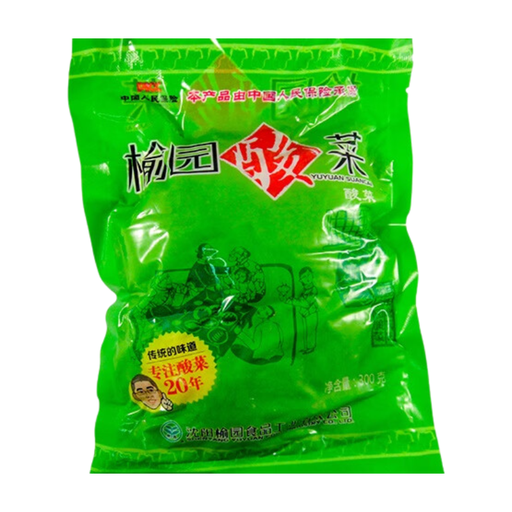
Why This Fits Their Persona: Shredded cabbage is convenient for cooks preparing several portions of soup, stir-fried dishes, hot pot or dumpling fillings.
The shredded format reduces chopping time, while the listing advises rinsing before use if you want to reduce salt.
300g ready-to-use format; suitable for soup, hot pot, stir-fries and fillings; no allergens listed in the supplied information.
We have compiled a complete, real-time list of products that fully satisfy these strict selection criteria and UK safety regulations.
Usually, yes, when the packaging states “ready to eat”. Ambient kimchi such as Bibigo Sliced Kimchi or Mat Kimchi can be stored at room temperature before opening according to the product instructions. Refrigerate after opening and follow the stated consumption guidance.
There is no single period for every product. Some labels advise consuming immediately, while others state one week. Keep opened kimchi refrigerated, use clean utensils and follow the date and storage instructions printed on the packaging.
Rinsing depends on the product and your preferred salt level. Yu Yuan Shredded Pickled Chinese Cabbage advises rinsing before use if reducing salt, while Yu Yuan Suan Cai instructs customers to rinse, drain and cook before consumption. Always follow the specific product directions.