
24/7 Customer Support

Free returns

Same-day & Next-day Delivery

Quality Guaranteed

Unlock Your Welcome Offers: FREE Delivery | Up to 80% OFF | Free 30-day JoyPlus trial
Download the APP
Choosing kitchen appliances and timers is rarely as simple as comparing prices. A low-cost appliance may lack the capacity you need, while an attractive timer may be difficult to read, noisy or unsuitable for a classroom. For UK households, coffee enthusiasts, students, parents and teachers, the right purchase depends on practical specifications rather than promotional wording.
This guide explains the common buying pitfalls, the measurements worth checking and which products may suit different routines.
A rice cooker’s stated capacity does not always represent the amount of cooked rice you will serve comfortably. A 4-litre rice cooker is designed for larger portions and batch cooking, whereas a 2-litre rice cooker is generally more appropriate for a smaller household. Buying too large can take up unnecessary worktop space; buying too small may require multiple cooking cycles.
Also check whether the listed capacity refers to the inner pot’s total volume rather than the recommended food volume. Never fill beyond the marked maximum line.
“Multifunctional” can mean different things between products. Before buying, look for the actual cooking modes, delay-start function, keep-warm operation and cleaning instructions. For a small-footprint rice cooker, simple controls may be more useful than a long list of rarely used programmes.
For timers, a visual display can be more practical than an alarm alone. However, check whether the timer is genuinely silent, whether the alarm can be muted and whether batteries are included.
A product may appear suitable but still be inconvenient if it has the wrong voltage, a non-UK plug or an inner pot that is difficult to clean. UK buyers should check the rating plate for 220–240V compatibility, confirm that the plug and cable are suitable for domestic use and review the manufacturer or responsible-person details supplied with the listing.
Non-stick and ceramic-coated surfaces also require appropriate utensils and gentle cleaning. Scratches, abrasive scourers and overheating an empty pot can reduce the useful life of the coating.
Use household size and cooking habits as a starting point:
Capacity is not a direct measure of cooking speed or energy use. A larger appliance may be useful for batch cooking, but it can occupy more space and may not suit small portions.
A non-stick rice cooker is usually selected for easier serving and cleaning. A ceramic-coated rice cooker may appeal to buyers who prefer a PFOA-free ceramic coating, but the exact coating description should be checked on the product page.
Regardless of material:
Coffee preparation benefits from repeatable measurements. A coffee scale should have a readable digital display, a tare function and units suited to your routine. An espresso scale with timer can help you track both coffee weight and elapsed brewing time, but check the product’s stated functions rather than assuming every scale includes automatic timing.
For a visual timer, consider:

Why This Fits Their Persona: Its 2-litre capacity is designed for 2–3 people, making it a practical choice for smaller UK households, couples or buyers with limited kitchen space.
The stated household capacity and compact design help reduce the risk of buying an oversized cooker for everyday portions.
2-litre capacity; PFOA-free ceramic-coated inner pot; seven cooking functions; timer and keep-warm functions.
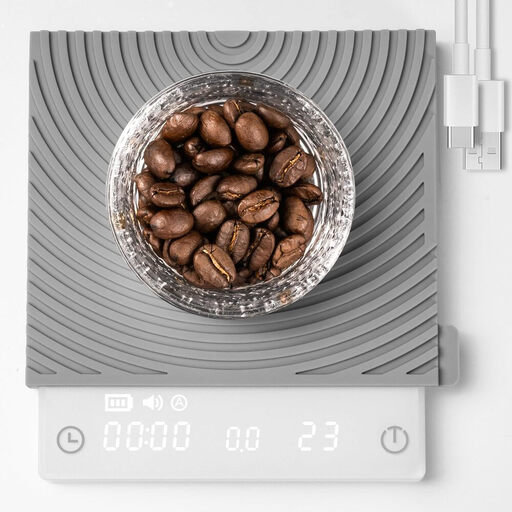
Why This Fits Their Persona: Suitable for coffee enthusiasts who want one digital scale for espresso, pour-over preparation, baking and general kitchen use.
The listed water-flow-rate and timer functions provide more specific brewing controls than a basic weight-only kitchen scale.
Timer function; water-flow-rate display; switchable ounce and kilogram units; suitable for kitchen, baking and coffee preparation.
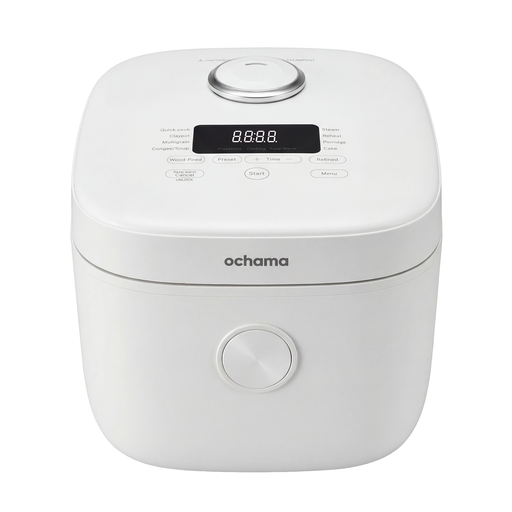
Why This Fits Their Persona: A larger option for family meals, batch cooking and households that want rice, porridge or soup ready for several diners.
The 4-litre specification and stated 3–4-person suitability make the intended use clearer than relying on a vague “family size” description.
860W power rating; non-stick thickened inner pot; quick-cook, delay-start and keep-warm functions; steamer basket included.
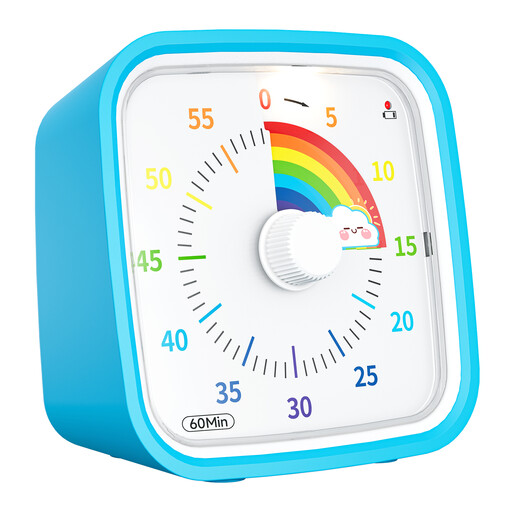
Why This Fits Their Persona: The visual countdown suits children, teachers, students and professionals who need to see remaining time without a ticking sound.
It lists no-ticking operation, adjustable alert levels and a protective case, addressing noise and durability concerns.
60-minute visual countdown; mute, weak and loud alert options; 3- or 30-second alarm; low-battery indicator.
Rice cookers should sit on a stable, dry, heat-resistant surface with the steam vent unobstructed. Use an independent socket where recommended, particularly when other high-power appliances are operating. Disconnect the appliance and let it cool fully before cleaning.
To estimate electricity use, multiply the wattage by operating time in hours. For example, an 860W appliance running for half an hour uses approximately 0.43kWh before considering keep-warm operation. Actual cost depends on your tariff and cooking duration. A timer or delay-start feature does not automatically reduce consumption, so select settings according to your routine.
Visual timers typically use two AAA batteries, which may not be included. Remove batteries if storing the timer for a long period and use a dry cloth for cleaning.
We have compiled a complete, real-time list of products that fully satisfy these strict selection criteria and UK safety regulations.
Choose a digital kitchen scale with a clear display, tare function, suitable measurement units and a timer if you prepare espresso or pour-over coffee. A stable platform and easy-to-clean surface are also useful around coffee grounds and water.
A 2-litre model is generally suited to 2–3 people and smaller kitchens. A 4-litre model is intended for 3–4 people, batch cooking or larger portions. Always follow the inner-pot measurement lines rather than filling based only on the headline capacity.
Yes. A silent kitchen timer or study timer can provide a visible countdown without distracting ticking. For classrooms, check that the display is readable at a distance and that the alarm can be muted or adjusted.