
24/7 Customer Support

Free returns

Same-day & Next-day Delivery

Quality Guaranteed

Unlock Your Welcome Offers: FREE Delivery | Up to 80% OFF | Free 30-day JoyPlus trial
Download the APP
Choosing kitchen appliances involves more than comparing prices and star ratings. A compact electric juicer may look convenient but become awkward to clean, while a powerful cooker hood may not fit your wall units or ventilation route.
This guide from the Joybuy Product Recommendation Officer focuses on practical buying decisions for UK homes, including dimensions, extraction figures, noise, cleaning and running costs.
A higher wattage does not automatically mean a more suitable appliance. For a fruit and vegetable juicer, motor power should be considered alongside feed-chute size, speed settings, pulp capacity and cleaning requirements.
For a cooker hood, the headline airflow figure may refer to a boost mode rather than normal operation. Duct length, bends and outlet size can also affect real-world extraction. Check both the standard and maximum airflow where available.
A 60cm cooker hood may be suitable for a standard hob, but the installation method still matters. An under-cabinet or slimline cooker hood can suit a rental or compact kitchen, whereas a wall-mounted cooker hood or 90cm chimney hood usually needs more wall space and secure fixing.
Also check whether the hood supports ducted extraction, recirculation or both. Recirculation is useful where an external outlet is not possible, but it requires compatible carbon filters and regular replacement.
Grease filters need regular cleaning, commonly every two to four weeks depending on cooking habits. A hood with washable aluminium filters can reduce recurring replacement costs. Similarly, a juicer that requires detailed hand washing may be less convenient than one with removable or dishwasher-safe parts.
Before buying, check which components can go in the dishwasher and which must be wiped clean. Motor bases should not be immersed in water.
An electric juicer designed mainly for citrus fruit is different from a centrifugal fruit and vegetable juicer. Citrus models press oranges, lemons and similar fruit, often with fewer moving parts and no cutting blade. They are convenient for breakfast juice but are not intended for carrots, apples or leafy vegetables.
For citrus use, check:
A dedicated orange juicer can be a sensible choice for regular citrus drinks, while a centrifugal model offers broader ingredient compatibility. For example, the Nutribullet model listed below has an 800W motor, two speeds, a 1.5L pulp basin and a 3-inch feed chute. Its listed dishwasher-safe sieve, pulp basin and pitcher may simplify cleaning, but UK buyers should verify the supplied plug and voltage variant before purchase.
The hood should normally cover the cooking area appropriately. Common sizes include 60cm cooker hoods for standard four-zone hobs and 90cm chimney hoods for wider cookers or larger cooking areas.
Useful figures to compare include:
An angled extractor hood can provide more clearance around the face than a traditional box-shaped model. However, measure the depth, height and distance above the hob carefully before ordering.
Push-button controls are straightforward and may suit a simple rental kitchen. Touch controls and a Wi-Fi cooker hood can offer remote operation, timers or lighting control, but smart features should not replace checking the core ventilation specification.
Energy labels and annual consumption figures can help with comparisons. For instance, one listed hood has an A+++ rating and annual consumption of 10 kWh/a, while another has an A+ rating and 11 kWh/a. These figures are product specifications, not guarantees of an individual household’s bill, which depends on usage and electricity tariffs.
Always confirm the UK voltage, plug arrangement, installation instructions and whether professional electrical or wall installation is required.
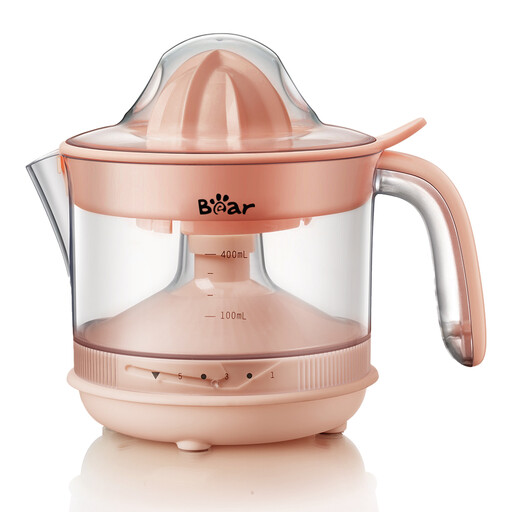
Why This Fits Their Persona: A compact option for renters, students or households that mainly prepare orange and lemon juice. It requires no installation and has one-touch operation.
Its stated compact, portable design avoids committing valuable worktop space to a larger appliance.
Five adjustable pulp levels, a 110mm feed chute and a listed 24-month warranty.
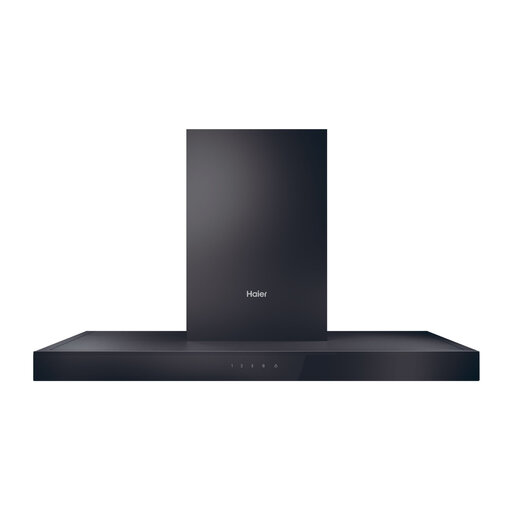
Why This Fits Their Persona: Suitable for homeowners with a wide hob who want touch controls, a timer and a contemporary wall-mounted design.
The specification separates standard extraction of 448m³/h from the 806m³/h boost figure, making comparison clearer.
90cm width, four speeds, 57dB(A) minimum stated noise and ducted or recirculation installation.
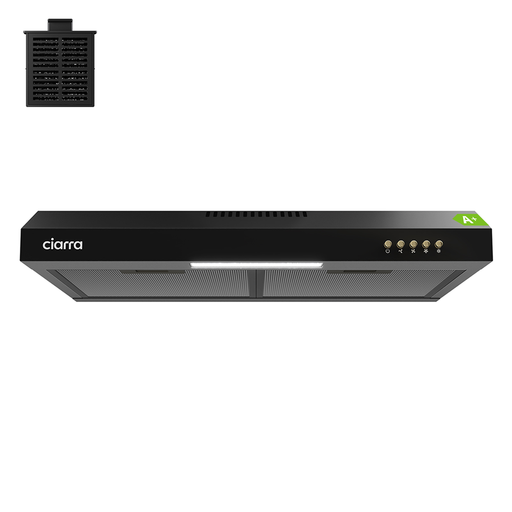
Why This Fits Their Persona: Its low-profile 596mm-wide format is designed for compact kitchens, flats and under-cabinet spaces.
It offers both ducting and recirculation, so buyers can check the option that matches their property before installation.
Two washable aluminium filters, push-button controls and stated A+ energy efficiency.

Why This Fits Their Persona: Designed for households making mixed fruit and vegetable juice, including apples, carrots, celery and leafy produce.
The 1.5L pulp basin reduces interruptions, while the two-speed dial gives separate settings for softer and harder produce.
800ml pitcher, wide 7.6cm chute and dishwasher-safe listed components.
We have compiled a complete, real-time list of products that fully meet these strict selection criteria and UK safety regulations.
Running cost depends on wattage, operating time and your electricity tariff. An energy-efficient kitchen appliance with a lower annual consumption figure may use less electricity over time, but compare the label data with your expected usage rather than relying on the rating alone.
Ducted extraction sends air outside and avoids the need for carbon-filter replacement. Recirculation can be more practical in flats, rented homes or kitchens without an external route. It requires clean grease filters and suitable carbon filters to maintain airflow.
Lifespan depends on frequency of use, cleaning and correct operation. Avoid overloading the chute, use the supplied pusher and unplug the appliance before disassembly. Checking the warranty, replacement-part availability and cleaning instructions before purchase can help prevent an appliance becoming uneconomical to maintain.