
24/7 Customer Support

Free returns

Same-day & Next-day Delivery

Quality Guaranteed

Unlock Your Welcome Offers: FREE Delivery | Up to 80% OFF | Free 30-day JoyPlus trial
Download the APP
Choosing between kitchen blenders and mixers can be surprisingly difficult. A compact smoothie maker may look convenient, while a stand mixer appears more capable, but the wrong appliance can soon become an expensive item that takes up cupboard space.
For UK households, the practical choice depends on what you prepare, how often you cook and how much cleaning you are willing to do. Before comparing features, look beyond attractive power ratings and long attachment lists.
A high wattage figure does not automatically mean smoother blending or better dough handling. Check whether the stated figure is peak power or rated power, as these are not always the same. Motor design, blade shape, speed control and recommended capacity also affect everyday performance.
For example, the Monsga SM100 lists 1,000W peak power and 600W rated power. This is more useful information than a single headline wattage because it gives a clearer indication of how the appliance is specified for normal use.
A jug or bowl’s advertised capacity may be larger than the amount you can safely process at once. Leave room for ingredients to circulate and for liquids to expand or splash.
The Monsga stand mixer has a 6-litre bowl but recommends a 5-litre usable capacity. Similarly, a 300ml portable blender or 475ml rechargeable blender is convenient for one serving, but unsuitable for preparing drinks for a family.
Blades, seals and attachment joints can collect food residue. Look for detachable components and clearly stated cleaning instructions, but do not assume every part is dishwasher-safe. Motor housings, electrical bases and gearbox sections normally require wiping rather than immersion.
Also check for operating limits. Some hand blenders should not run continuously for more than one minute, while the Plodon mini electric soy milk maker recommends waiting at least 30 minutes between cycles. These instructions matter for product lifespan and safe use.
Match the appliance to the ingredients you actually use:
Multiple speed settings can provide more control, but they are not essential for every user. A one-speed hand blender may be easier to operate for straightforward recipes.
Measure both the appliance and your storage area. A stand mixer can remain on a worktop, while a compact smoothie maker or hand blender can fit in a drawer or cupboard.
Consider:
Never fill a container beyond its stated limit, particularly when processing hot liquids. Allow steam and ingredients enough space to move safely.
Food-contact components should have clearly described materials, such as 304 stainless steel for a mixing bowl or BPA-free plastic for a cup. A dishwasher-safe blender can save time, but confirm exactly which parts qualify.
For UK kitchens, also check:

Why This Fits Their Persona: A lightweight, corded option for students, small kitchens and cooks who mainly prepare soups, sauces, smoothies or desserts.
It uses a clearly stated 450W motor and 600ml beaker rather than suggesting it is suitable for every batch size. One-speed control also avoids unnecessary complexity.
Approximately 0.5kg, with a detachable blending shaft and dishwasher-safe shaft and beaker.
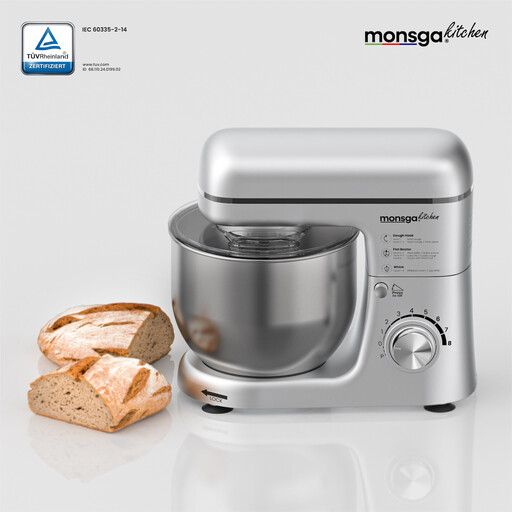
Why This Fits Their Persona: Suitable for regular home bakers preparing bread, cakes, biscuits, whipped cream and family-sized mixtures.
The specification separates 1,000W peak power from 600W rated power and states a 5.0-litre recommended usable capacity.
Eight speed settings, a 304 stainless-steel bowl, tilt head, splash guard and overload protection.
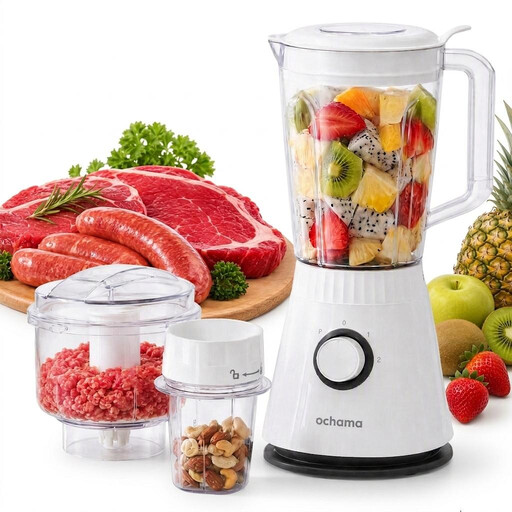
Why This Fits Their Persona: A practical choice for households wanting one appliance for smoothies, juice, soups, chopped ingredients, spices and baby food preparation.
Its listed 1.5-litre jug and three speed settings give clearer boundaries than vague claims about handling every ingredient.
Designed for ice crushing, meat chopping, spice grinding and puréeing, with detachable components for cleaning.
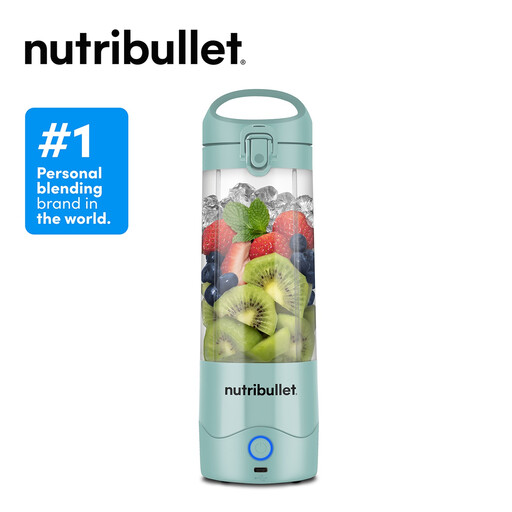
Why This Fits Their Persona: Its cordless format suits commuters, gym users and travellers who want a personal drink without relying on a kitchen socket.
The capacity, charging method and stated 15-plus blending cycles per charge are specified, making its portable limits easier to assess.
475ml BPA-free cup, USB-C charging, to-go lid and dishwasher-safe cup, lid and blade assembly.
We have compiled a complete, real-time list of products that fully satisfy these strict selection criteria and UK safety regulations.
Running cost depends mainly on motor power and usage time. A short blending cycle generally uses less electricity than extended mixing or heating. Appliances with heating functions, such as an electric soy milk maker, may use more energy because they heat as well as blend. Check the rated power and avoid unnecessary repeated cycles.
Many hand blenders are designed for direct blending, but follow the supplied instructions. Keep the shaft submerged before switching on, use a suitable pan, avoid splashing hot liquid and allow steam to escape. Never immerse the motor housing or remove the appliance while the blades are moving.
Lifespan depends on workload, cleaning and adherence to operating limits. Avoid exceeding the stated capacity, do not process ingredients excluded by the instructions and allow the motor to cool when required. Detachable, dishwasher-safe parts can also make regular maintenance easier, provided the electrical base is kept dry.