
24/7 全天候客户支持

免费退货

当日/次日达

品质保障

开启新人专享福利: 全场免邮 | 低至 2 折 | 免费试用 30 天 JoyPlus 会员
下载 Joybuy
The kitchen is the heart of the home, but it's also a battleground for grease, grime and germs. Choosing the right kitchen cleaner from a crowded shelf can feel overwhelming. Many products make bold promises, but not all deliver on the specific needs of a busy UK household. As a Joybuy Product Recommendation Officer, my role is to help you see past the marketing jargon and find a cleaner that genuinely works for your home.
Before you make your next purchase, let's look at a few common pitfalls that lead to wasted money and frustration.
To make an informed choice, focus on what the product is formulated to do, not just its marketing claims. Here are the core parameters to check.
Not all messes are created equal. Understanding the type of cleaner you need is the first step to a sparkling kitchen.
Using the wrong cleaner can cause irreversible damage. Always check the product label for warnings. Acidic cleaners (like those with vinegar) or abrasive formulas can etch natural stone like marble and limestone, damage unsealed wood or strip the coating from plated taps. A streak-free cleaner is often formulated differently from a heavy-duty one to be safe on glass and polished metals. When in doubt, test on a small, inconspicuous area first.
Instead of a one-size-fits-all approach, we've matched some effective options to different household needs.
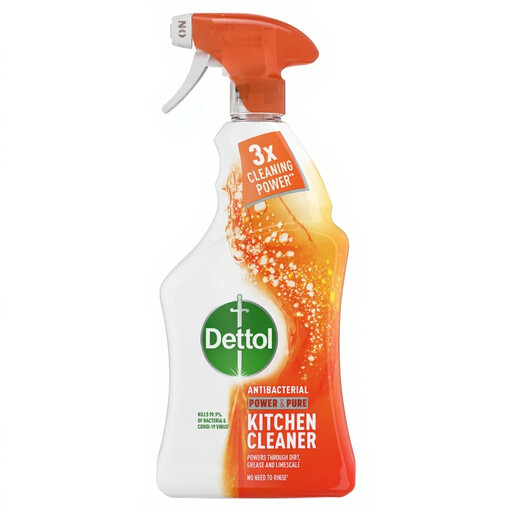
Why This Fits Their Persona: For households with children, hygiene and speed are paramount. This cleaner combines grease-cutting power with disinfection, offering peace of mind for cleaning high chairs, worktops and sinks where food is prepared. The large 1L bottle is also practical for frequent use.
It clearly states its purpose as both a cleaner and disinfectant, using an Active Oxygen formula to tackle grease without leaving harsh residues, addressing the "all-purpose" and "fragrance trap" issues.
Combines effective grease removal with disinfection that kills 99.9% of bacteria and viruses, making it a true multi-action product for a hygienic kitchen.
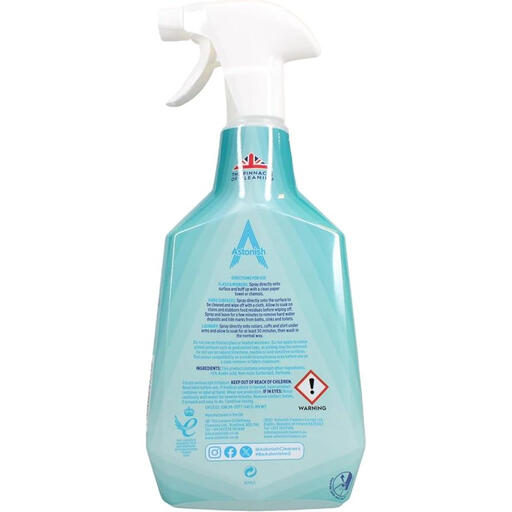
Why This Fits Their Persona: For those seeking an eco-friendly cleaning spray, this product leverages the natural power of white vinegar. It's ideal for cutting through limescale and grime on sinks, taps and glass without harsh chemicals. The vegan and cruelty-free certifications are a major plus for ethical consumers.
It avoids the chemical fragrance trap by using zesty citrus essential oils for a natural scent. Its purpose is clearly defined as a natural cleaner for grease and limescale, not an over-promising "all-in-one" solution.
Harnesses the natural cleaning power of white vinegar, making it effective against limescale. It is certified by the Vegan Society and Cruelty Free International.
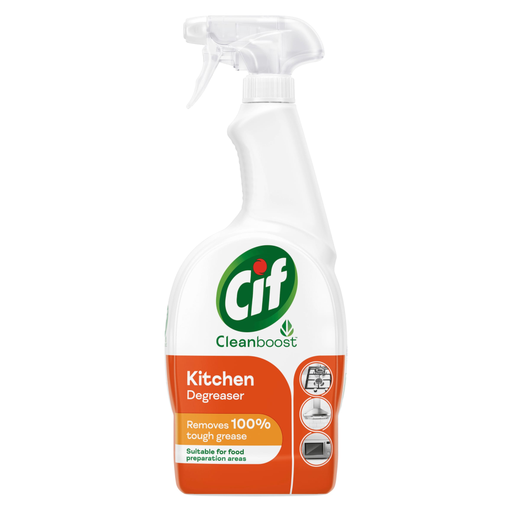
Why This Fits Their Persona: If you frequently cook with oils and fats, you need a dedicated kitchen degreaser. This spray is designed specifically to lift tough grease from hobs, cooker hoods and tiles, leaving a streak-free shine. The orange and tangerine oils help cut through grime effectively.
This product doesn't pretend to be a gentle all-rounder. It leans into its identity as a powerful grease remover, directly addressing the "all-purpose" fallacy by providing a specialist solution for a common kitchen problem.
According to the brand, its Cleanboost technology removes 100% of tough grease. It is also stated as being safe for food preparation areas, combining power with safety.
We have compiled a complete, real-time list of products that fully satisfy these strict selection criteria and UK safety regulations.
While some multi-purpose cleaner products are formulated for both, it's often better to use specialist products. A bathroom cleaner is typically designed to tackle soap scum and limescale, which are more prevalent in bathrooms. A kitchen cleaner, on the other hand, is focused on cutting through grease and food residue. Using the right product for the job will yield better and faster results.
This is a crucial safety feature for any kitchen cleaner. It generally means that once the surface is cleaned according to the product's instructions (which may include wiping or rinsing), no harmful chemical residue is left behind that could contaminate food. Always follow the directions on the label, especially the instruction to rinse surfaces that come into direct contact with food.
Streaks are often caused by cleaner residue being left behind. To avoid them, use a clean, damp microfibre cloth to wipe the surface after spraying. For high-shine surfaces like stainless steel, glass or polished granite, buffing with a second, dry microfibre cloth can make all the difference. Alternatively, consider a dedicated streak-free cleaner like Cif Perfect Finish for specialist surfaces.