
24/7 Customer Support

Free returns

Same-day & Next-day Delivery

Quality Guaranteed

Unlock Your Welcome Offers: FREE Delivery | Up to 80% OFF | Free 30-day JoyPlus trial
Download the APP
Keeping a kitchen clean is a daily reality for UK households. While it might seem simple, choosing the right kitchen cleaning tools can be surprisingly difficult. The market is filled with products that promise to make life easier, but often fall short, leaving you with a drawer full of flimsy brushes and gadgets that don't deliver. As a Joybuy Product Recommendation Officer, my role is to help you see past the marketing and focus on what truly matters for a clean and efficient home.
This guide will walk you through the common pitfalls to avoid and the key features to look for, ensuring your next purchase is a lasting and practical one.
Before you add another item to your basket, be aware of these frequent issues that lead to buyer's remorse:
To make a smart choice, focus on these three fundamental parameters. They are the difference between a tool that works and one that frustrates.
The effectiveness of any brush comes down to its bristles. Don't just look at the shape; consider the material.
The handle is your point of contact with the tool, so its design is crucial for comfort and control, especially during longer cleaning sessions.
The rise of the electric spin scrubber has introduced a new option for household cleaning. But is it right for you?
Based on these practical criteria, here are a few options matched to different household needs.
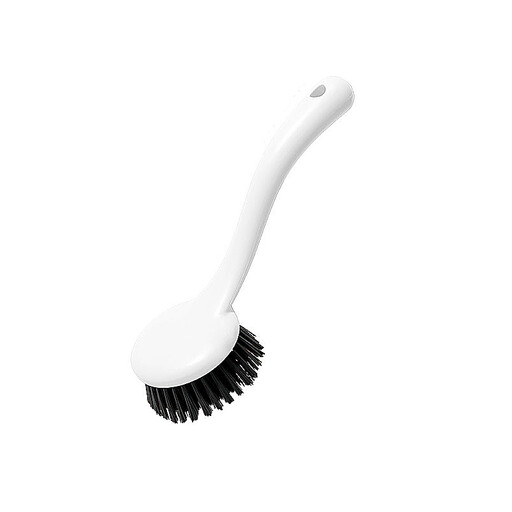
Why This Fits Their Persona: Ideal for those setting up a new home or students who need a reliable, no-frills tool. It focuses on doing one job well without the expense of a large set.
This single-purchase item avoids the "value bundle illusion" by providing one solid tool. Its sturdy nylon bristles directly counter the "premature bristle breakdown" pitfall common in cheaper, unbranded brushes.
The 22 cm long handle keeps hands away from grime and hot water. The durable bristles are designed to remove stubborn food from pots and pans.
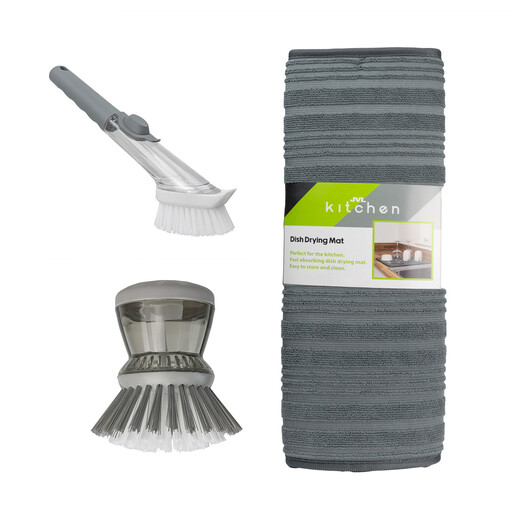
Why This Fits Their Persona: For busy individuals or families who value speed and convenience. This bundle provides a cohesive system for washing and drying, centred around the time-saving soap dispensing brushes.
Unlike generic bundles, every item here serves a purpose in the washing-up process. The ergonomic handles and palm grip are practical design features, not just marketing buzzwords, addressing the "ergonomic mirage".
The built-in soap dispensers allow for efficient cleaning with less wasted detergent. The bundle includes a replacement head and a super-absorbent microfibre mat for a complete workflow.
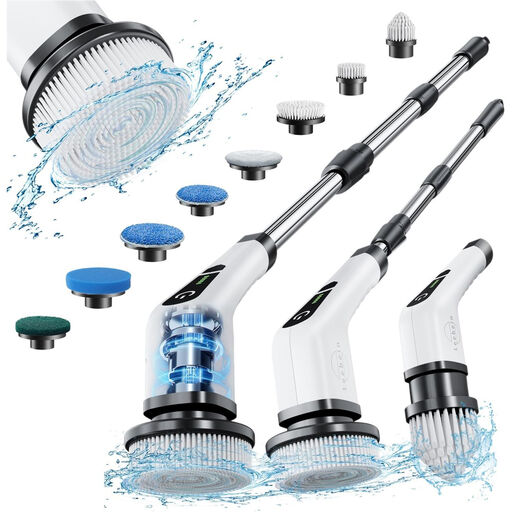
Why This Fits Their Persona: Perfect for homeowners who need to tackle more than just dishes. This tool is built for heavy-duty jobs like scrubbing bathroom tiles, grout, and floors, saving significant time and physical effort.
This is a specialised tool, not a gimmick. Its value is in its verifiable specifications: two speeds, an adjustable handle up to 137 cm, and an IPX7 waterproof rating. It's designed for power, not as a simple dish brush replacement.
The motorised action provides continuous scrubbing power without manual effort. It includes 8 interchangeable heads for versatile cleaning across the kitchen, bathroom and even for car polishing.
We have compiled a complete, real-time list of products that fully satisfy these strict selection criteria and UK safety regulations.
1. How often should you replace a washing up brush? There is no fixed rule, as it depends heavily on usage. The clearest indicators are visible signs of wear: bristles that are frayed, flattened or falling out. If the brush head develops a persistent odour that doesn't wash out, it is also time for a replacement. For hygiene, many people choose to replace their main dish brush set every 1-3 months.
2. Are soap dispensing dish brushes worth it? For many, yes. They offer genuine convenience by combining two steps into one, which can make the chore feel faster. They can also help control the amount of washing-up liquid used. The key is to choose a model with a reliable seal to prevent leaks and an easy-to-use dispensing button.
3. Can I use an electric spin scrubber on non-stick pans? It is strongly advised not to. The power and speed of an electric spin scrubber are designed for durable surfaces like tile, glass and stone. Using one on a non-stick coating, even with a softer brush head, risks scratching and permanently damaging the surface. Reserve these powerful tools for appropriate heavy-duty tasks.