
24/7 Customer Support

Free returns

Same-day & Next-day Delivery

Quality Guaranteed

Unlock Your Welcome Offers: FREE Delivery | Up to 80% OFF | Free 30-day JoyPlus trial
Download the APP
A kitchen cleaver knife can handle chopping, slicing, dicing and food preparation, but not every cleaver is designed for the same ingredients. A broad blade may look versatile online, yet its weight, steel type and edge profile determine whether it feels controlled or tiring during everyday cooking.
For UK home cooks, the main challenge is separating useful specifications from vague phrases such as “razor sharp”, “professional quality” and “all-purpose”. The right choice depends on how you prepare food, how much worktop space you have and whether you are buying a vegetable cleaver, Chinese chef knife or meat chopping knife.
A cleaver’s appearance does not automatically mean it is intended for splitting bones. Many household models are designed for vegetables, meat and slicing rather than hard bones or frozen food. Using a thin-edged vegetable cleaver on hard surfaces can chip or deform the edge.
Check the product’s stated use before buying. If the instructions advise avoiding bones and frozen ingredients, treat it as a preparation knife rather than a heavy-duty butcher’s tool.
Terms such as stainless steel, high-carbon steel and Damascus steel describe materials or construction styles, but they do not by themselves guarantee a particular cutting experience. A stainless steel cleaver may offer convenient cleaning and corrosion resistance, while some high-carbon blades may require more careful drying to reduce the risk of staining.
For a busy UK household, a knife that can be washed promptly, dried thoroughly and stored safely may be more practical than one selected solely for its appearance.
A 280 mm blade will feel very different from a 170 mm knife. Larger blades can cover more of the chopping board, but they may be less comfortable for smaller work surfaces or users who prefer close control. Weight also matters: a heavier meat chopping knife can help with firm ingredients, but a lighter design may be more suitable for repeated slicing and mincing.
Look for the blade length, width and stated weight rather than relying on product photographs.
A medium blade around 7 inches provides a useful compromise for stir-fry preparation, meat slicing and vegetable chopping. Smaller blades, such as a 5.5-inch model, can be easier to manoeuvre for trimming, peeling and detailed work. Larger household cleavers around 190–280 mm may suit users who prefer a broad chopping surface.
A compact multipurpose kitchen knife or Santoku knife can be more convenient for fruit, herbs and smaller vegetables, while a wider Chinese chef knife is designed around a different chopping technique.
Check whether the listing identifies the blade material clearly. Stainless steel is generally valued for straightforward cleaning and resistance to corrosion. High-carbon steel can be selected for its hardness and sharpening characteristics, but it still needs appropriate care.
Regardless of steel type:
Claims about “long-lasting sharpness” should be treated as product descriptions, not a guarantee of a fixed lifespan. Frequency of use, ingredients, cutting surface and maintenance all affect edge retention.
An ergonomic handle should feel secure without forcing you to grip tightly. Wooden handles can provide a warm, traditional feel, while all-steel designs are typically straightforward to wipe clean. Consider the handle material, shape and connection to the blade.
A comfortable grip is particularly important if you prepare large quantities of vegetables or meat. However, comfort is personal, so dimensions and weight remain more useful comparison points than promotional wording.
The following options are matched to different cooking habits and are based on the listed materials, dimensions and intended uses.
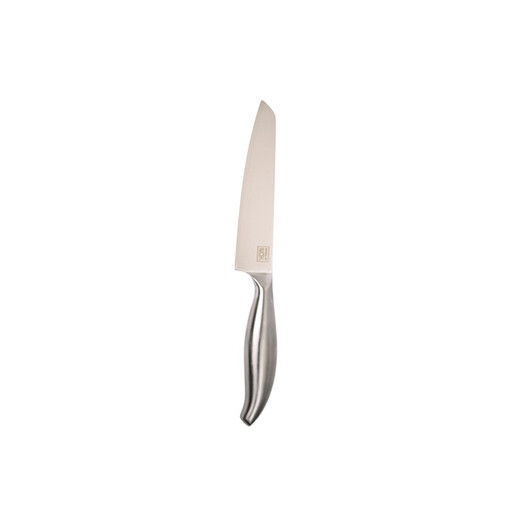
Why This Fits Their Persona: Its compact 5.5-inch format suits first-time buyers, smaller kitchens and cooks who want control for everyday preparation.
The product information identifies a thin blade for detailed tasks and warns against bones and frozen food, making its limits clearer.
Stainless steel construction, ergonomic handle and a pointed tip for peeling, shaping and trimming.
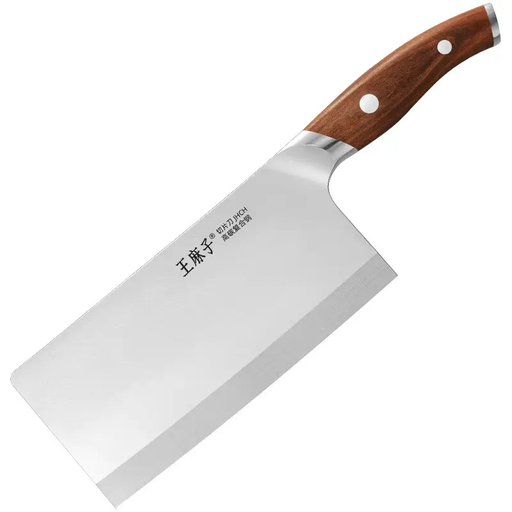
Why This Fits Their Persona: This option is suited to cooks who value a named steel specification and a traditional wooden handle for regular household preparation.
The listing specifies 9Cr18Mov steel rather than relying only on broad “premium” wording; drying after washing is still advisable.
High-carbon steel specification and a rosewood handle designed for a firm grip.
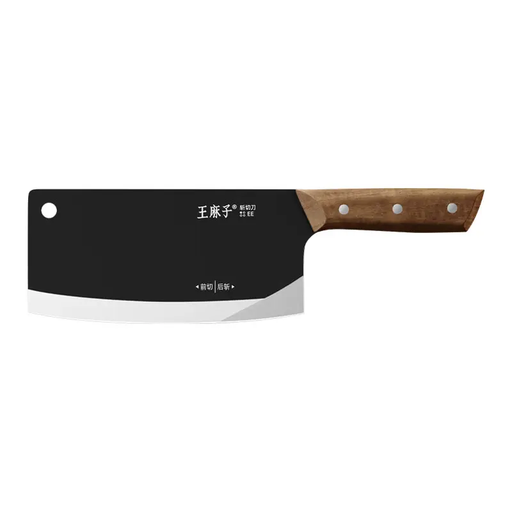
Why This Fits Their Persona: Two different knives suit cooks who regularly prepare meat, vegetables and finely sliced ingredients rather than expecting one blade to do every job.
The set separates heavier chopping from lighter slicing, helping reduce the compromise involved in a single multipurpose kitchen knife.
High-carbon steel blades, wooden handles and separate chopping and slicing functions.
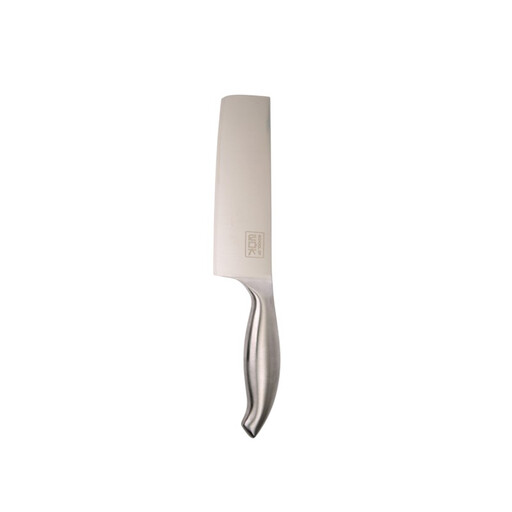
Why This Fits Their Persona: The medium flat blade is suited to stir-fry ingredients, vegetables, fish and meat in a typical home kitchen.
Its 7-inch size and stated food uses make it easier to match the knife to everyday preparation instead of selecting by appearance alone.
Stainless steel blade, straight edge, ergonomic handle and compatibility with a quality steel or sharpener.
We have compiled a complete, real-time list of products that fully satisfy these strict selection criteria and UK safety regulations.
Keep the blade on a stable, suitable chopping board and use a controlled downward or rocking motion appropriate to its shape. Do not test sharpness with your finger. Wash according to the manufacturer’s instructions, dry the blade fully and store it in a knife block, sheath or other secure location.
Small peeling knives, such as the PLYS two-piece peeling knife set, should be reserved for fruit and vegetables. Its listed guidance specifically advises against chopping hard ingredients, so it should not be treated as a substitute for a kitchen cleaver knife.
They can have a similar broad rectangular profile, but their intended uses vary. Some are designed for vegetables and slicing, while heavier models are made for more forceful chopping. Check the manufacturer’s instructions, blade thickness and weight rather than relying on the name alone.
There is no fixed lifespan. A stainless steel or forged kitchen knife can remain useful for many years when used on a suitable board, cleaned correctly and sharpened with an appropriate tool. Chopping bones, frozen food or hard surfaces can shorten the working life of the edge.
Choose a cleaver if you prefer a broad blade for chopping and transferring ingredients. A Santoku knife may suit users who want a lighter profile for slicing, dicing and mincing. For frequent meat and vegetable preparation, compare the blade length, weight and handle feel before selecting.