
24/7 Customer Support

Free returns

Same-day & Next-day Delivery

Quality Guaranteed

Unlock Your Welcome Offers: FREE Delivery | Up to 80% OFF | Free 30-day JoyPlus trial
Download the APP
A kitchen cleaver knife can become one of the most useful tools in a busy household kitchen, particularly for stir-fries, batch cooking and preparing meat or vegetables. However, a cleaver’s broad blade does not automatically make it suitable for every task. Weight, steel construction, edge design and intended use all affect how practical it will be in a UK kitchen.
Before buying, look beyond phrases such as “professional-grade” or “razor sharp”. These descriptions may not tell you the blade length, maintenance requirements or whether the knife is designed for vegetables, slicing or heavy chopping.
A broad blade can look suitable for heavy work, but many Chinese cleavers and vegetable chopping knives are intended for ingredients such as meat, fish, herbs and vegetables rather than bones or frozen food. Using a thin-edged slicing cleaver on hard materials can damage the edge or cause the blade to chip.
Check the product’s stated purpose carefully. If you need a meat cleaver for poultry joints or other demanding preparation, look for a clearly described thickened blade and follow the manufacturer’s usage guidance.
A 280mm or 313mm blade may provide additional reach, but it also requires more space on the chopping board and in storage. For many home cooks, a 190mm cleaver or 7-inch cleaver offers a more manageable balance between preparation area and control.
A longer blade is not automatically more effective. Consider your chopping board size, cupboard space and the amount of food you usually prepare in one session.
Even a stainless steel cleaver needs sensible care. “Stainless” means more resistant to corrosion than many untreated steels; it does not mean maintenance-free. Leaving food residue or moisture on the blade can affect its finish over time.
Look for a comfortable handle, a safe storage solution and clear cleaning instructions. Hand washing and immediate drying are often preferable to placing a sharp kitchen knife in a dishwasher, where heat, detergent and contact with other items may affect the edge and handle.
A stainless steel cleaver is a practical choice for many UK households because it offers resistance to staining and straightforward everyday care. The exact steel grade is important where it is provided, but product pages do not always list a detailed composition. Avoid assuming that a higher price guarantees a particular steel standard.
A forged kitchen knife is formed from heated steel, while stamped blades are cut from sheet material. Forging can contribute to a substantial feel, but handle comfort, balance and edge maintenance still matter in daily use. Full-tang construction, where the blade material extends through the handle, may offer a stable feel, although specifications should be confirmed on the individual listing.
A flat, straight edge is useful for chopping, slicing and transferring prepared ingredients from board to pan. A 7-inch or 190mm blade is generally suited to routine household preparation, including stir-fry ingredients and boneless meat.
A thicker profile is more appropriate for demanding chopping, but it may be less nimble for fine slicing. Conversely, a lighter Chinese chef’s knife or slicing cleaver can be more comfortable for vegetables and thin cuts, but should not be treated as a bone-cutting tool unless the manufacturer specifically states that it is suitable.
An ergonomic handle can make repeated preparation more comfortable, but “ergonomic” is not a measurable guarantee. Check the handle material, shape and whether the design provides a secure grip when your hands are damp.
The blade should be dried after washing and stored away from children. Use a suitable sharpening steel, whetstone or sharpener compatible with the blade. A blunt knife often requires more pressure, so regular, controlled maintenance is preferable to waiting until the edge becomes difficult to use.
The following options suit different cooking habits rather than one universal specification.
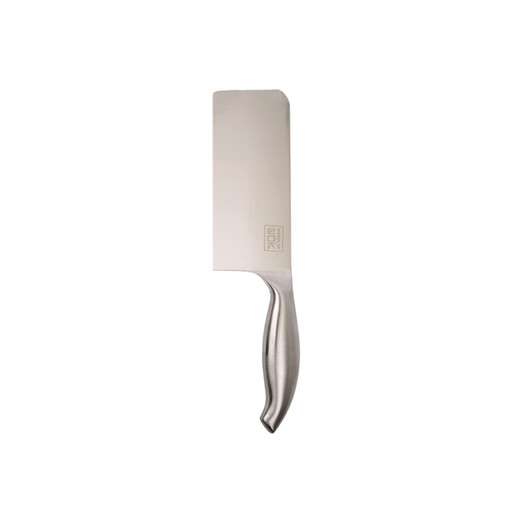
Why This Fits Their Persona: Its 7-inch format is suitable for cooks wanting one versatile tool for regular stir-fries and general ingredient preparation without moving straight to a larger heavy-duty blade.
The listing identifies a flat, straight 7-inch stainless steel blade and warns against hard surfaces, bones and frozen foods, helping clarify its intended role.
Stainless steel construction, ergonomic handle and suitability for meat, fish and vegetables.
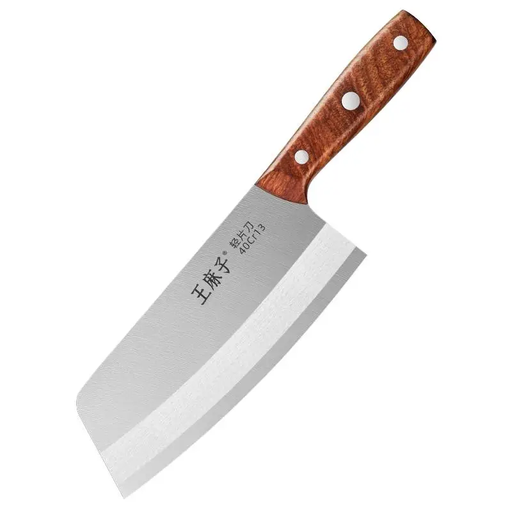
Why This Fits Their Persona: The 190mm size and forged stainless steel construction may suit cooks seeking a substantial household cleaver for meat, vegetables and slicing.
The stated 190mm measurement gives buyers a clear size reference, while the listed full-tang construction provides useful information about stability and control.
Forged stainless steel blade, 190mm length and full-tang construction.
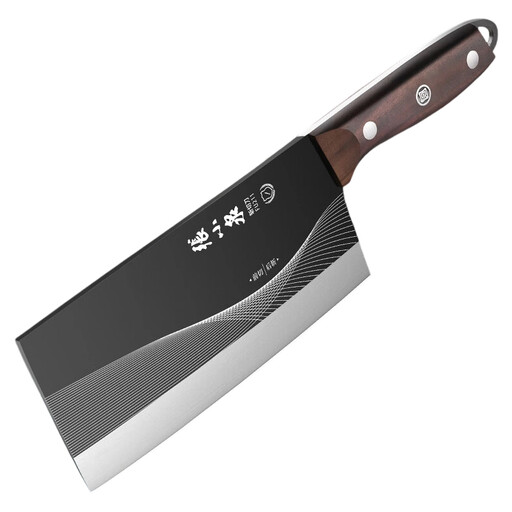
Why This Fits Their Persona: The thickened design and 313mm specification are aimed at shoppers looking for a larger cutting tool for particular heavy-preparation tasks.
Its product name identifies both a thickened blade and bone-cutting purpose, rather than leaving buyers to infer suitability from the cleaver shape alone.
Stainless steel construction, thickened format and 313mm length.
We have compiled a complete, real-time list of products that fully satisfy these strict selection criteria and UK safety regulations.
A kitchen knife set may be more suitable if you need a chef’s knife, utility knife and paring knife as well as a cleaver. For example, a 19-piece knife block set can provide several preparation tools alongside silicone utensils, although shoppers should confirm which blade types are included before purchasing.
Yes, a Chinese cleaver can be useful for chopping vegetables, slicing boneless meat, mincing herbs and moving prepared ingredients from board to pan. Its suitability depends on the blade profile and the manufacturer’s instructions. It should not automatically be treated as a meat cleaver for bones.
For many home kitchens, a 190mm cleaver or 7-inch cleaver is a practical starting point. It offers a broad working surface without the extra storage and handling demands of a 280mm or 313mm blade. Choose a larger model only when your preparation tasks and chopping board space justify it.
There is no fixed lifespan. A cleaver’s usable life depends on steel quality, frequency of use, sharpening technique, storage and whether it is used for appropriate ingredients. Hand washing, immediate drying and avoiding hard or frozen materials can help preserve the blade and handle over time.