Brass-detail listeners
If you want to distinguish cornets, trombones, euphoniums and percussion in a busy arrangement, look for accessible tonal controls and try familiar recordings before deciding whether a speaker suits you.


For brass band music in a kitchen diner, start with a speaker whose tonal balance you can adjust, and try it with recordings you know: controls alone cannot tell you how clear it will sound in your room. Choose Wi-Fi multi-room features for listening across rooms, Bluetooth for direct playback in one room, or a rechargeable speaker if you regularly move it. Whichever route you take, keep the speaker and its power connections away from water and cooking heat.
If you want to distinguish cornets, trombones, euphoniums and percussion in a busy arrangement, look for accessible tonal controls and try familiar recordings before deciding whether a speaker suits you.
If you play music while cooking or eating, decide whether direct phone playback is enough or whether you want app control and the option to add compatible speakers in other rooms.
If the speaker will leave the kitchen diner regularly, a rechargeable model may suit your routine. You will still need a dry place to charge it.
Try familiar brass recordings, decide how you will connect your music, and identify a dry position where the speaker and any cable will not obstruct the room.
| Concern | What to check | Who this matters to |
|---|---|---|
| Brass balance | Try familiar recordings at your usual volume; check how bass and treble are adjusted. | If dense passages make it hard for me to follow individual instruments, tonal control becomes my main concern. Around 40% of consumers put brass balance first. |
| Everyday connections | Check your usual music source, Wi-Fi coverage and any wired-input or adapter requirements. | I want music to start easily from my phone and may add another room later. For around 30% of consumers, connection and playback options come first. |
| Safe placement | Measure a stable, dry surface and check that the lead can reach a socket without crossing a walkway. | When worktop space is tight, I need somewhere clear of splashes, heat and passing feet. Placement is the primary concern for around 20% of consumers. |
| Portability | Check whether you need battery operation and where you would charge the speaker. | I regularly take music from the kitchen diner to another room, so carrying and charging the speaker matter most to me. Around 10% of consumers put portability first. |
Sonos lists humidity resistance for Era 100-family speakers, but that does not make plugs, sockets or cables safe near water.
Follow Electrical Safety First’s advice to keep sockets and cords away from the sink, and place the speaker clear of splashes and cooking steam.
Prominent bass may not give you the balance you want from a dense brass-band recording. Marshall lists physical bass and treble controls for Acton III, while JBL lists tonal adjustment for Authentics 300; neither specification establishes how a recording will sound to you.
Try familiar pieces at a realistic listening level and check that you can reach the tonal controls you would use.
Marshall specifies a 3.5 mm input for Acton III. Sonos says an Era 100 needs its separate Line-In Adapter for an analogue wired source.
List the sources you intend to connect and check the exact model’s input, adapter and cable requirements.
A trailing mains or charging cable can get in the way where people cook and carry hot items.
Choose a stable, dry position near a suitable socket. Electrical Safety First also advises checking plugs and wires regularly for damage.
The Era 100 range is relevant if you want a compact speaker with Wi-Fi and Bluetooth and may later add compatible speakers.
Acton III is relevant to one-room listening with direct Bluetooth playback and physical tone controls.
Authentics 300 is relevant if you want to move a home speaker between rooms while retaining Wi-Fi and Bluetooth options.
These choices cover a wireless multi-room tabletop speaker and a portable Bluetooth speaker. Check each model’s controls and power arrangements against the way you plan to listen to brass music.
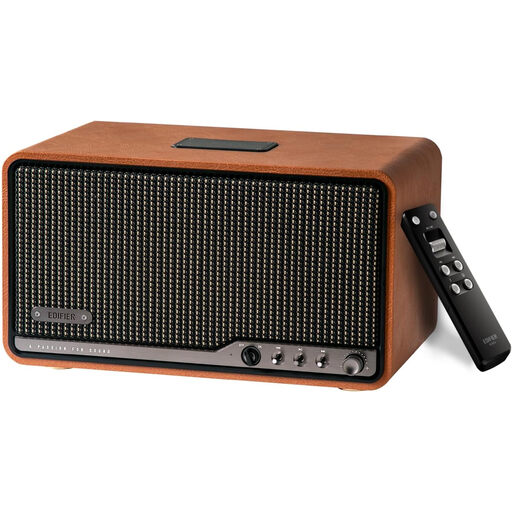 No image available
Consider this tabletop model if you want a wireless multi-room speaker for a suitable shelf or sideboard. Before choosing it for brass recordings, check how it is powered and whether you can adjust its bass and treble; keep it on a stable, dry surface.
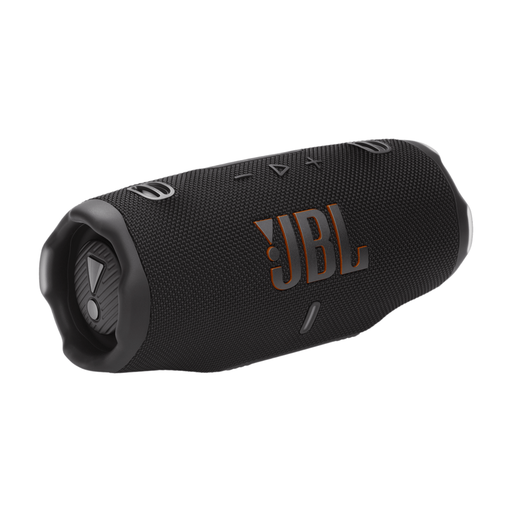 No image available
Consider this portable Bluetooth model if you want direct phone playback and expect to move the speaker between rooms. Check its tonal controls for brass recordings, make sure you have a compatible charging cable and choose a dry place to charge it.
No: Bluetooth can handle direct playback from a phone or tablet. Consider Wi-Fi if you want app-based streaming or playback with compatible speakers in other rooms, and check the features of the particular model.
It depends on the speaker’s input and what your source provides. Marshall specifies a 3.5 mm input on Acton III, while Sonos says an Era 100 needs its separate Line-In Adapter for an analogue connection; check any other connection requirements for your source before buying.
A stereo pair is not required to start listening. Sonos says Era 100-family speakers can be paired, so it is an option if you want two speakers and have suitable positions for both; try one well-placed speaker before deciding whether to expand.
Do not treat humidity resistance as permission to expose a speaker or its power connections to splashes. Electrical Safety First advises keeping sockets and cords away from the sink, so choose a dry position for the speaker and its cable.