
24/7 Customer Support

Free returns

Same-day & Next-day Delivery

Quality Guaranteed

Unlock Your Welcome Offers: FREE Delivery | Up to 80% OFF | Free 30-day JoyPlus trial
Download the APP
From lining a baking tray for easy clean-up to wrapping a Sunday roast, a reliable roll of kitchen foil is a staple in almost every British household. Yet, not all foils are created equal. A flimsy roll that tears easily or food that sticks stubbornly to the surface can turn a simple cooking task into a frustrating chore.
This guide is designed to help you navigate the options available. We will look at the key features to consider when choosing your next roll of aluminium foil, from thickness and strength to special coatings and dispenser designs. Our goal is to provide practical information so you can select a product that suits your specific needs, whether you are an avid baker, a barbecue enthusiast or simply looking for a dependable all-rounder for daily use.
Before you add a roll to your basket, consider these factors to ensure you get the right tool for the job.
The durability of kitchen foil is determined by its thickness, often measured in microns (μm). Standard foil is great for covering bowls or wrapping sandwiches, but for more demanding tasks, a stronger option is preferable. Heavy duty foil, which is thicker and more tear-resistant, is ideal for lining grills, creating parcels for the oven or wrapping large joints of meat. It holds its shape better and is less likely to puncture, which is particularly useful when using it as barbecue foil.
For many applications, standard aluminium foil is perfectly sufficient. However, when dealing with delicate or sticky foods like fish, halloumi or baked goods with sugary glazes, non-stick foil can be a game-changer. This type of foil has a special coating on one side that prevents food from adhering, meaning you can often use less oil and enjoy a much easier clean-up. It is an excellent choice of foil for baking and roasting.
The packaging itself can make a significant difference. A poorly designed box with a flimsy cutting edge leads to jagged tears and wasted foil. Look for rolls that come in sturdy packaging with a well-designed cutting system. Some brands, like Bacofoil, have developed dispensers with integrated curved blades and secure tabs to hold the roll in place, allowing for a clean, straight cut every time.
Based on these key features, here are some standout options available on Joybuy.
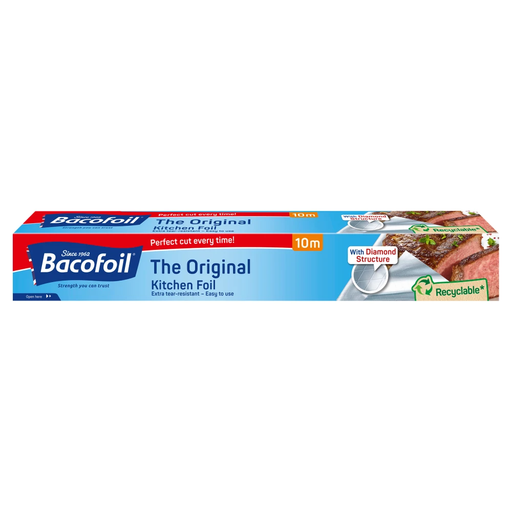
Why It Stands Out: This foil is a versatile and reliable choice for everyday kitchen tasks. Its key feature is the innovative Easy-Cut System, which includes a curved blade within the ergonomic packaging for a consistently clean and precise cut, reducing frustration and waste. The foil itself has a diamond structure that enhances its tear-resistance.
Pros:
Who is it for? This is an excellent all-purpose foil for home cooks who value convenience and reliability for daily food preparation and storage.
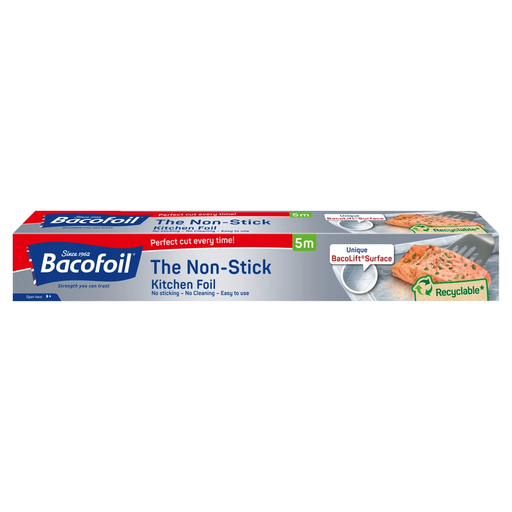
Why It Stands Out: This product combines the convenience of the Easy-Cut System with the performance of a non-stick surface. The BacoLift surface on the non-shiny side of the foil prevents food from sticking without the need for additional oil or butter, making it ideal for healthier cooking and effortless clean-up.
Pros:
Who is it for? Bakers and anyone who frequently cooks delicate or sticky items like fish, chicken wings or cheese-topped dishes will find this non-stick foil particularly useful.
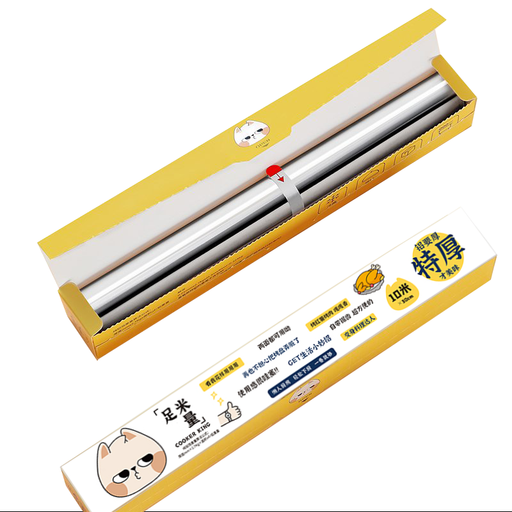
Why It Stands Out: This is a heavy duty foil designed for more demanding culinary tasks. With a thickness of 15μm, it offers superior strength and resistance to tearing and punctures. This makes it an excellent choice for the high heat of a barbecue or for securely wrapping large, heavy items for roasting.
Pros:
Who is it for? This foil is geared towards barbecue enthusiasts, those who roast large joints of meat or anyone in need of an extra-strong, reliable foil that can withstand high temperatures and heavy use.
If our recommendations do not quite match what you are looking for, or if you need a different length or width, there are many other choices available.
Explore our full range of kitchen aluminum foil to find the perfect match for your culinary needs.
The term tinfoil is often used colloquially, but it is technically a holdover from the past when foil was made from tin. Modern kitchen foil is made from aluminium, which is lighter, more pliable and does not impart a metallic taste to food. So, while people often say "tinfoil," the product they are using is almost certainly aluminium foil.
For standard aluminium foil, it makes no difference which side you use. Both sides perform identically. The slight difference in appearance (one shiny side, one dull side) is simply a result of the manufacturing process. However, for non-stick foil, it is important to place your food on the dull or non-shiny side, as this is the side with the special release coating.
Yes, recyclable aluminium foil is widely accepted in household recycling collections across the UK. To be recycled, the foil must be clean and free from grease and food residue. It is also helpful to scrunch it up into a ball (about the size of a tennis ball is ideal), as this helps it get sorted correctly at the recycling facility. Always check the specific guidelines provided by your local council.