
24/7 全天候客户支持

免费退货

当日/次日达

品质保障

开启新人专享福利: 全场免邮 | 低至 2 折 | 免费试用 30 天 JoyPlus 会员
下载 Joybuy
From wrapping a packed lunch to roasting the Sunday joint, the humble roll of kitchen foil, wrap or bag is a cornerstone of the British kitchen. Yet, choosing the right one can feel like a lottery. We’ve all been there: the ‘heavy-duty’ foil that tears at the slightest touch, the cling film that becomes a tangled mess or the freezer bag that fails to protect your food from icy ruin.
These small frustrations add up, leading to wasted food, time and money. Before you add another roll to your basket, it’s worth understanding the common pitfalls that catch out even savvy shoppers.
By understanding a few key details, you can easily sidestep these issues and choose products that perform exactly as you need them to.
Instead of relying on marketing buzzwords, focus on a few core specifications. These objective details will tell you more about a product's true quality than any flashy label.
The single most important factor for aluminium foil is its thickness, measured in microns (?m). This number, though often hidden in the small print, is the true indicator of strength and durability.
When it comes to cling film or food wrap, two things determine its usability: the material and the cutting mechanism. Many modern films are now PVC-free, which can affect their stretch and cling properties, but the biggest day-to-day difference comes from the box. Look for dispensers with a built-in, shielded cutting blade or a serrated edge that is robust and well-positioned. This simple feature can eliminate the daily struggle with tangled, wasted film.
The term ‘food storage bags’ is broad. For freezing, you must choose bags specifically labelled as freezer bags. These are made from a thicker, more durable grade of polythene that is less permeable to air and moisture. This construction is what protects your food from freezer burn. For maximum protection, especially for long-term storage, consider vacuum-sealed bags, which remove almost all air to preserve food quality for even longer.
To help you choose, we’ve matched some reliable options to common UK household needs. These selections are based on their practical features that directly address the pitfalls mentioned earlier.
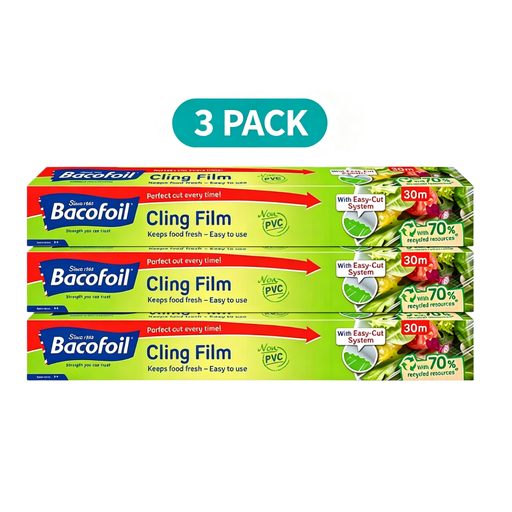
Why This Fits Their Persona: This is for the person who needs to quickly cover leftovers or wrap a sandwich without a fuss. The focus is on daily convenience and reliability for common kitchen tasks.
It directly solves the "Cling Film Tangle" pitfall. The integrated Easy-Cut System with a curved blade is designed for a clean, straight cut every time, preventing the film from bunching up.
The main benefit is the frustration-free dispenser. It's also made from PVC-free material, a consideration for many households today.
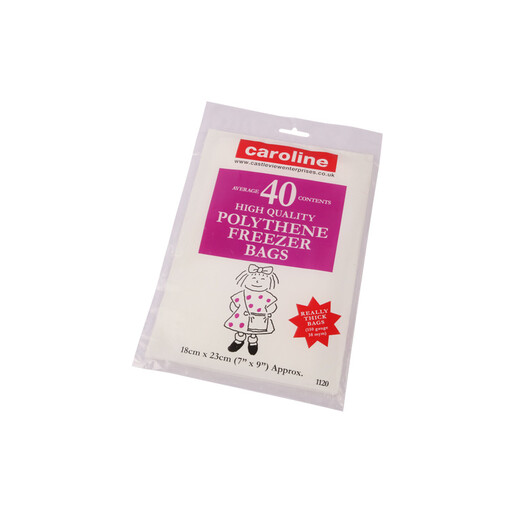
Why This Fits Their Persona: Ideal for anyone who buys in bulk, batch cooks on weekends, or portions out meals. Their priority is protecting food quality in the freezer to reduce waste and save money.
This product directly counters the "Freezer Burn Betrayal." It is explicitly described as being made from heavy-gauge polythene and is designed to be frost-resistant, unlike flimsy sandwich bags.
The thick, durable material provides a reliable barrier against air and moisture, effectively preventing freezer burn and preserving the taste and texture of food.
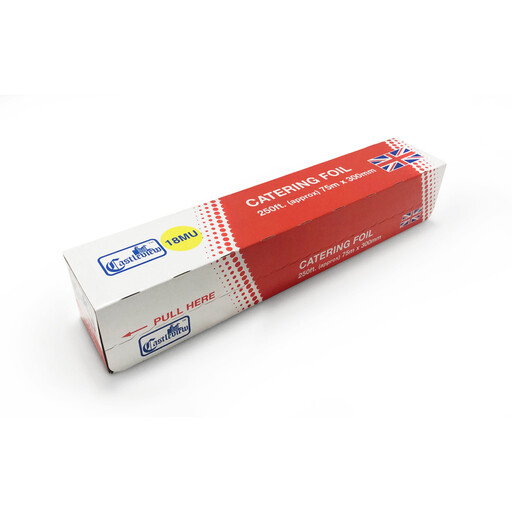
Why This Fits Their Persona: Perfect for those who host barbecues, cook large family roasts or run small-scale food businesses. They need a product that will not fail under pressure and offers good value in a larger quantity.
This foil cuts through the "Heavy Duty Deception" by stating its thickness: a verifiable 18 microns. This is a factual measure of its strength, not just a marketing claim, ensuring it performs for demanding tasks.
Its superior tear resistance and generous 75-metre length provide reliability and excellent value for high-volume users. It's suitable for everything from freezing to high-heat grilling.
We have compiled a complete, real-time list of products that fully satisfy these strict selection criteria and UK safety regulations.
The key difference is thickness, measured in microns (?m). While there's no legal standard, 'heavy-duty' foil is generally 14?m or thicker, making it significantly more resistant to tearing and puncturing than standard foil (around 9-13?m). For roasting heavy items or grilling, the extra thickness provides much-needed durability and prevents messy accidents.
No, it is not recommended. Only bags specifically labelled as 'freezer bags' should be used for long-term freezing. They are made from thicker, less porous plastic designed to lock out moisture and air, which prevents freezer burn. Standard sandwich or food bags are too thin and will not offer adequate protection, leading to a loss of food quality.
For many, yes. Air fryer liners, which can be made of paper or silicone, are designed to sit in the basket and prevent food from sticking. Their main benefit is convenience, as they make cleanup significantly faster and easier by catching grease and food residue. They are particularly useful for messy or marinated foods. Just ensure you buy the correct size and shape for your air fryer model and never preheat the air fryer with the liner inside on its own, as it can fly up and hit the heating element.