
24/7 Customer Support

Free returns

Same-day & Next-day Delivery

Quality Guaranteed

Unlock Your Welcome Offers: FREE Delivery | Up to 80% OFF | Free 30-day JoyPlus trial
Download the APP
Uniform slices can make salads, sandwiches, roast dinners and meal-prep portions easier to prepare. However, choosing a kitchen food slicer is not simply a matter of selecting the sharpest-looking blade. UK shoppers should consider the food being cut, storage space, cleaning requirements and how much control the tool provides.
As the Joybuy Product Recommendation Officer, I filter product information into practical buying guidance, helping you compare useful features without relying on inflated marketing language.
A vegetable slicer may work well with cucumber, courgette and carrots but be unsuitable for frozen food, bones or very hard ingredients. A tomato slicer, egg slicer or apple slicer is designed around a particular shape and texture. Trying to force one tool to perform every task can lead to uneven results, damaged blades or unnecessary safety risks.
Check the stated use before buying. A mandoline vegetable slicer is suited to controlled, thin vegetable cuts, while a meat slicer or electric kitchen knife is more appropriate for cooked meat, bread and cakes.
Sharp blades can improve cutting efficiency, but they also require careful handling. A slicer without a stable base, ergonomic grip or finger guard may be difficult to use confidently. Look for features such as non-slip support, protective guards, a secure handle and a design that keeps fingers away from the cutting edge.
Food residue can collect around hinges, wires and narrow blade gaps. Some products require hand washing, while others have removable or dishwasher-safe parts. A compact manual food slicer may suit a kitchen with a small footprint, but it still needs thorough drying to reduce corrosion and odours.
Before purchasing, check whether the product can be dismantled safely, whether the manufacturer recommends hand washing and whether the slicer will fit in your drawer or cupboard.
For frequent food preparation, look for stainless steel blades or cutting wires. Stainless steel is generally valued for its resistance to corrosion, but the grade and construction still matter. The EOTIA Apple Slicer, for example, lists 410 high-carbon steel blades, while its Egg Slicer uses 304 stainless steel wires.
The body should also provide a secure grip. Food-safe plastic can keep the tool lightweight, while a stainless steel food slicer may offer a more rigid feel. Material descriptions are not a substitute for checking care instructions or product compliance information.
Consider the size and texture of your usual ingredients:
Do not assume that a slicer intended for meat can safely process deep-frozen food. Always follow the supplied instructions.
A compact tool can be more practical for flats, caravans and busy family kitchens. The YUPINK handheld mandoline measures approximately 20 cm long and weighs around 0.05 kg, making it convenient to store.
Powered products require additional checks. The Kenwood KN650A electric kitchen knife uses a 100W motor, operates from a 220–240V supply and includes removable stainless steel serrated blades. It can reduce manual effort for larger quantities, but it also needs a power socket, safe blade storage and careful unplugging before cleaning or changing attachments.

Why This Fits Their Persona: A compact option for students, small households, meal-prep beginners and cooks with limited drawer space. Its 20 cm length and lightweight construction make it suitable for everyday vegetables, salads and garnishes.
The Y-shaped design offers a direct grip, while the listing specifies a finger guard and warns against frozen foods, bones and nuts.
Stainless steel blade, food-grade plastic body, compact storage and no installation required.
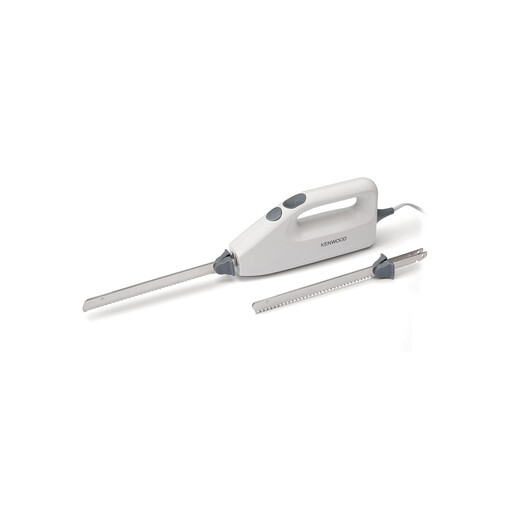
Why This Fits Their Persona: A practical fit for households that frequently slice bread, cakes, poultry, cooked meat or sandwiches and prefer powered assistance over repeated manual cutting.
The product includes a safety button, finger protection, a blade protector and removable blades. It is not intended for deep-frozen foods.
100W motor, two serrated blade sets, dishwasher-safe removable blades and a stated 1-year manufacturer’s warranty.
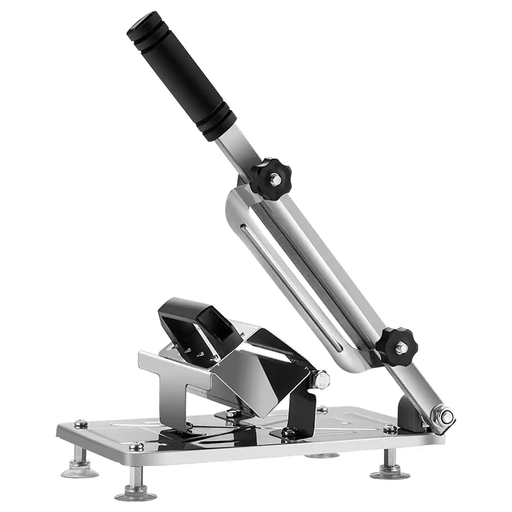
Why This Fits Their Persona: Designed for cooks who regularly prepare meat portions, stir-fry ingredients, roasts or sharing platters and want a longer manual cutting surface.
Its extended blade and slip-resistant handle are specified for handling and control; users should still follow safe cutting practices and suitability guidance.
Rust-resistant stainless steel construction and an ergonomic handle listed for beef, poultry, pork, lamb and dense vegetables.
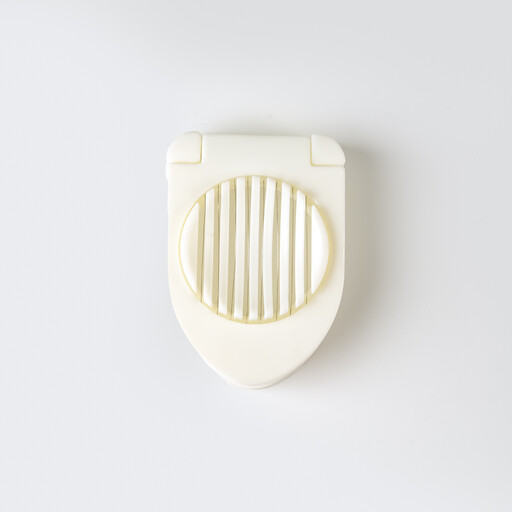
Why This Fits Their Persona: A focused tool for salads, sandwiches, packed lunches and garnishes where consistent egg slices are more useful than a large multi-function appliance.
Its non-slip base addresses movement during use, while the defined format is intended for standard-sized eggs rather than unrelated ingredients.
BPA-free ABS plastic, 304 stainless steel wires and a stated seven-slice cutting format.
We have compiled a complete, real-time list of products that fully satisfy these strict selection criteria and UK safety regulations.
It can be useful for repeated vegetable slicing, particularly for cucumbers, potatoes, carrots and courgettes. Choose a model with a finger guard and follow its food restrictions. A mandoline is not automatically suitable for meat, frozen foods or hard items.
Running cost depends on the appliance’s power rating and how long it operates. A 100W model such as the Kenwood KN650A uses relatively little electricity during short household tasks, but the exact cost depends on your electricity tariff and usage time. Manual food slicers avoid electricity costs but require more physical effort.
Lifespan varies with materials, frequency of use, storage and cleaning. Dry blades after washing, avoid abrasive cleaners and do not force unsuitable foods through the mechanism. Check whether replacement parts, care instructions or a manufacturer’s warranty are available before ordering.