
24/7 Customer Support

Free returns

Same-day & Next-day Delivery

Quality Guaranteed

Unlock Your Welcome Offers: FREE Delivery | Up to 80% OFF | Free 30-day JoyPlus trial
Download the APP
Choosing between kitchen grinders and food choppers is not simply a matter of comparing wattage or counting attachments. A compact appliance may be suitable for onions and herbs but unsuitable for coffee beans, while a meat grinder designed for occasional batches may struggle if used continuously.
For UK kitchens, the most useful choice depends on what you prepare, how often you use the appliance and how easy it is to clean and store. The following guide highlights common buying traps, practical specifications and suitable options for different cooking habits.
A headline wattage figure can be misleading. Some products advertise a peak or maximum power rating that is only reached briefly, rather than the power used during normal operation. For a meat grinder, the feeding system, blade design and cutting plates also affect performance.
Look for information about:
For example, the Monsga G100 lists a 300W motor with up to 1200W maximum power, while the BEAR chopper has a 300W rated power and a clearly stated short operating cycle.
A kitchen food chopper is not automatically suitable for coffee, dry spices or bones. The BEAR QSJ-D03W5 is designed for meat and vegetables but specifically advises against processing coffee beans, grains, bones, ice cubes or frozen food.
Similarly, a food mincer is intended for prepared meat and selected soft ingredients. Bones, thick skin, tendons and oversized pieces can jam the auger or place excessive load on the motor. Always check the manufacturer’s ingredient restrictions before purchase.
Attachments that look convenient can become a nuisance if they are difficult to wash or require extensive drying. Metal grinder heads, augers, blades and plates may need hand washing rather than dishwasher cleaning. Some materials can oxidise or develop surface damage when exposed to strong detergents and high temperatures.
A detachable bowl is useful, but the motor base should still be kept away from water. Also check whether the appliance has cord storage, whether accessories can be stored together and whether the bowl will fit comfortably in your cupboard.
For occasional chopping, a compact 300W food chopper may be practical. More demanding meat preparation benefits from a dedicated electric meat grinder with suitable cutting plates and overload protection.
Operating limits are just as important as motor power. The BEAR chopper allows a maximum of 40 seconds of continuous operation, followed by at least two minutes of rest. After three cycles, it needs a longer cooling period. These limits are not a flaw; they are essential instructions for preventing overheating during use.
Material affects durability, cutting consistency and maintenance:
The Starseeker E55 Pro, for example, uses a 55mm titanium alloy conical burr and stepless adjustment, making it a more focused choice for coffee preparation rather than general food chopping.
A 2L bowl can be useful for family meal preparation, but capacity does not mean the bowl should always be filled to the top. Ingredients need room to circulate, and meat should be cut into pieces of approximately 2–3cm before mincing.
For coffee or seasoning, a smaller hopper or manual chamber may be more practical. Buying a large multi-purpose kitchen grinder for occasional pepper or spice use could create unnecessary storage demands.

Why This Fits Their Persona: A straightforward option for UK home cooks preparing onions, vegetables, meat and other everyday ingredients in moderate batches.
Its 40-second operating limit is clearly stated, helping buyers plan realistic batches instead of assuming unlimited continuous use.
2L glass bowl, two speed settings and 304 stainless steel blades.
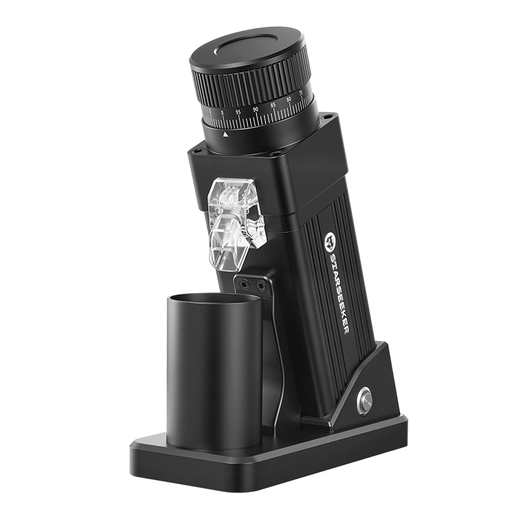
Why This Fits Their Persona: Designed for coffee enthusiasts, home espresso users and small café-style setups that need more control over grind size.
It is clearly positioned as an electric coffee grinder rather than a general food processor, reducing the risk of using one appliance for unsuitable ingredients.
55mm titanium alloy conical burr, 72W AC motor and stepless adjustment.
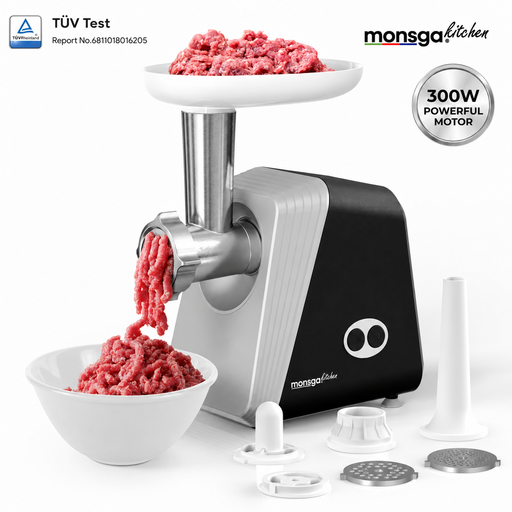
Why This Fits Their Persona: Suitable for meal-prep users and home cooks who want to make mince, sausages, kibbeh and different meat textures.
Three cutting plates and a reverse function provide more practical control than a single-purpose food mincer, provided batches follow the stated cooling guidance.
Fine, medium and coarse plates, plus sausage maker and kibbeh maker attachments.
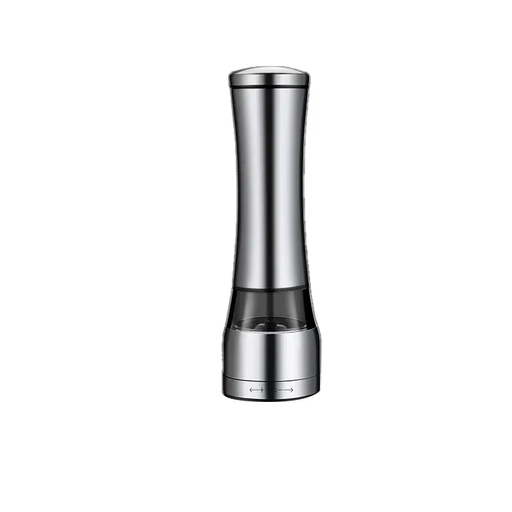
Why This Fits Their Persona: A practical choice for cooks who mainly need fresh pepper or seasoning at the dining table and prefer a manual tool.
It avoids unnecessary motor power, electrical running costs and bulky accessories when the intended task is simply seasoning food.
Manual operation and stainless steel construction listed in the product name.
We have compiled a complete, real-time list of products that fully satisfy these strict selection criteria and UK safety regulations.
No. A food chopper uses blades to break down ingredients such as vegetables, herbs and prepared meat. A grinder may use burrs, plates or a grinding mechanism to process coffee, spices or meat into a more specific texture.
Not automatically. A coffee grinder with a conical burr is designed around coffee beans and grind-size adjustment. Meat requires an electric meat grinder with a suitable auger and cutting plate, while spices may be better suited to a dedicated manual spice grinder.
This depends on the model. The BEAR QSJ-D03W5 specifies a maximum of 40 seconds, followed by a rest period. Always follow the appliance’s operating cycle instead of relying only on its wattage or bowl capacity.